
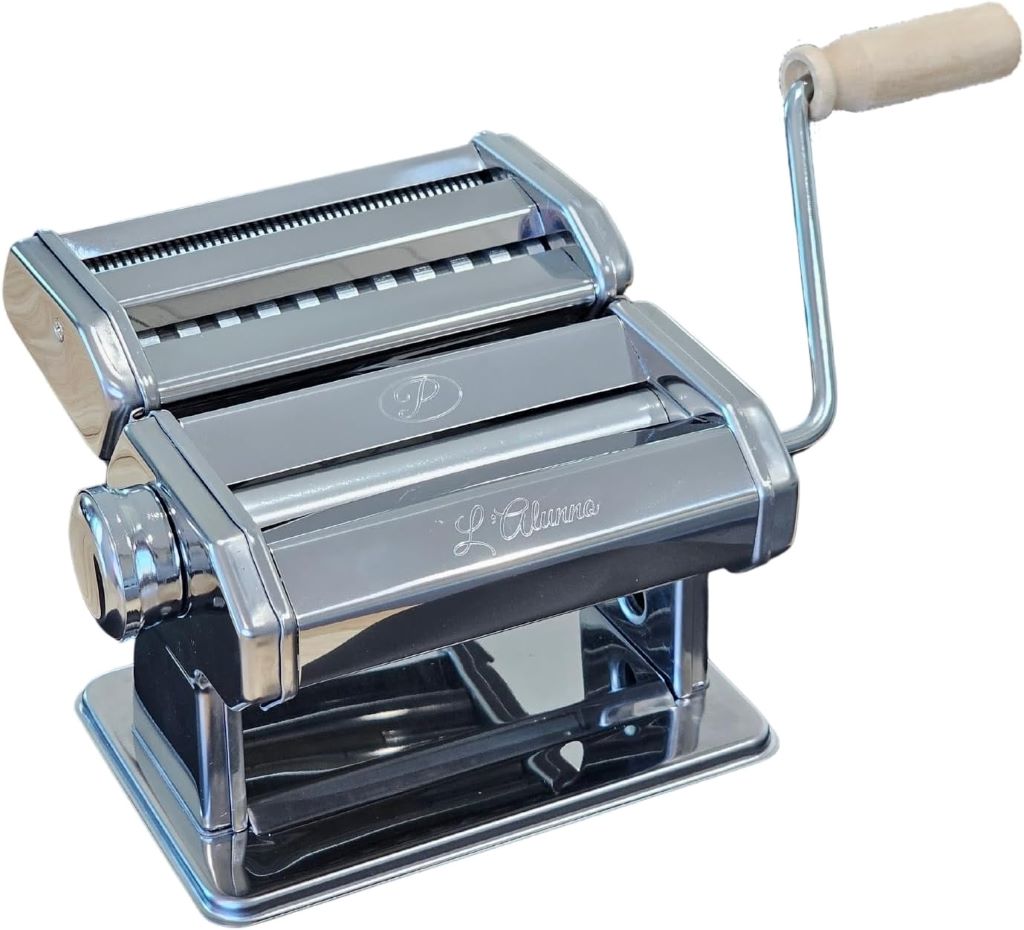
There’s something profoundly satisfying about creating pasta from scratch. The tactile experience of kneading dough and watching thin sheets emerge from a hand-crank machine connects us to centuries of culinary tradition. In our fast-paced world dominated by electric gadgets, manual pasta makers offer a refreshing return to authentic food preparation. The L’Alunno Pasta Maker by PastaVirtuoso represents this renaissance perfectly, combining traditional craftsmanship with modern design sensibilities.
Understanding the Manual Pasta Making Revolution
Manual pasta makers have experienced a remarkable resurgence in recent years. According to market research, the global pasta machine market reached approximately $387 million in 2023 and continues growing steadily. This growth reflects consumers’ increasing interest in artisanal cooking and wholesome, preservative-free meals. Additionally, home cooks appreciate the control that manual machines provide over ingredients and texture.
The L’Alunno Pasta Maker by PastaVirtuoso sits at the intersection of tradition and practicality. Unlike electric models that can overheat dough or require significant counter space, this hand-crank design maintains dough temperature consistency. Therefore, pasta maintains optimal texture throughout the rolling process. Furthermore, manual operation eliminates electricity dependency, making it perfect for various kitchen environments.

What Makes This Pasta Maker Stand Out
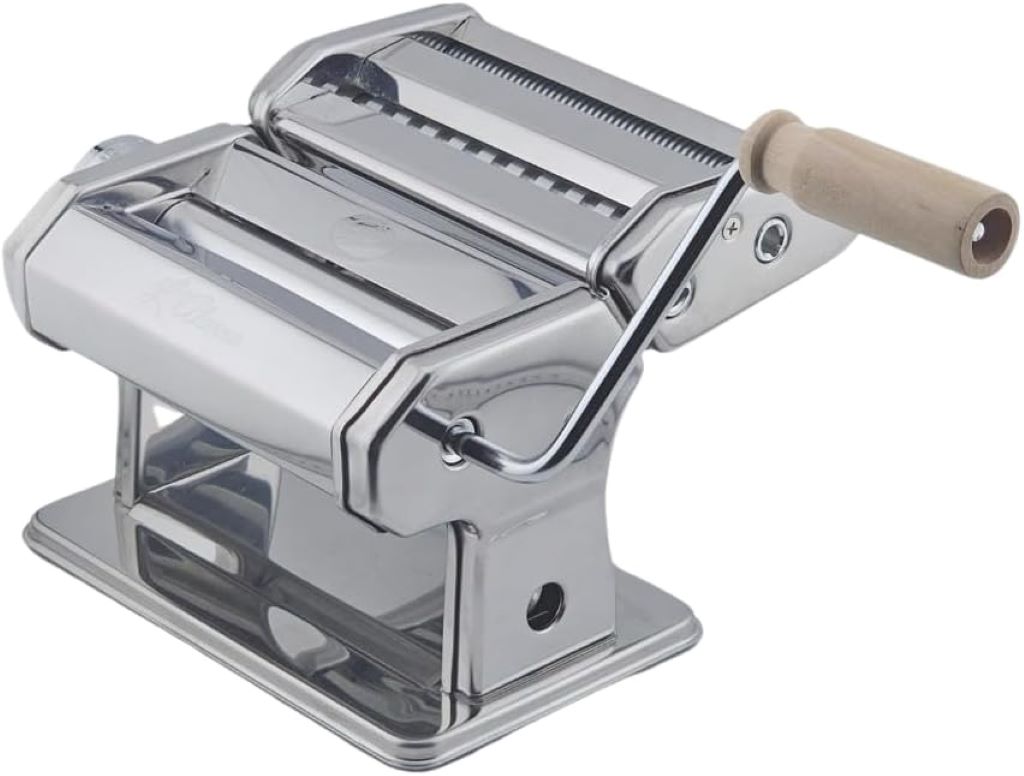
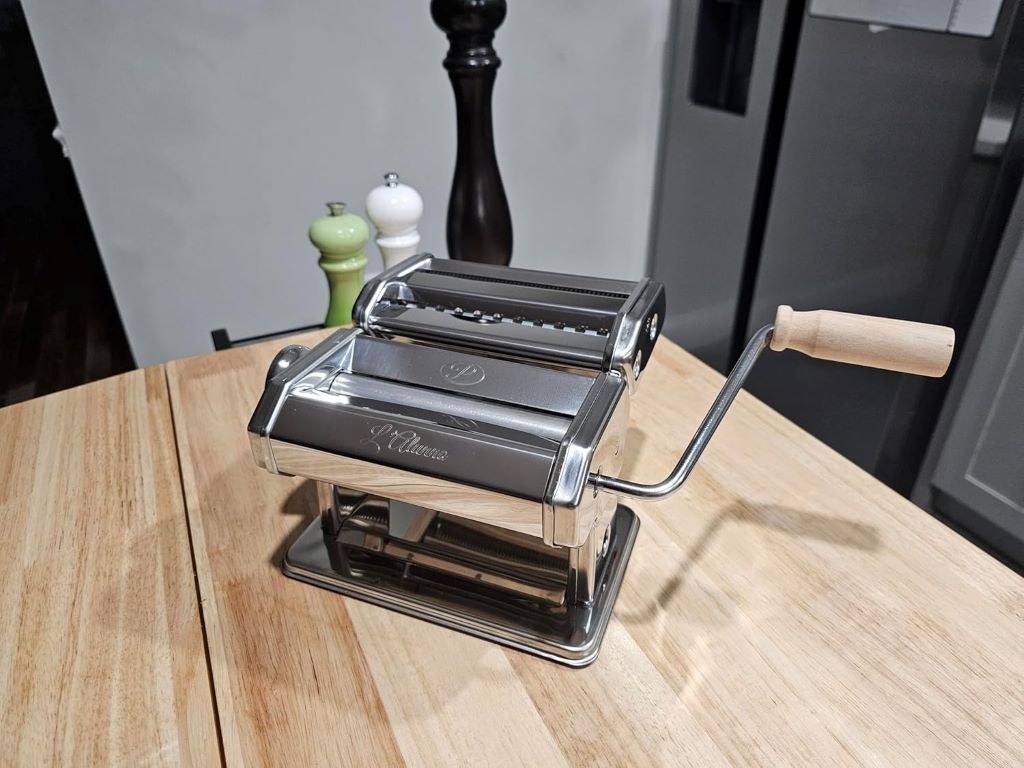
The engineering behind quality pasta makers matters significantly. The L’Alunno Pasta Maker features robust construction that withstands regular use without wobbling or slipping. Many budget alternatives use thin metal components that bend under pressure. However, this model employs heavier-gauge materials that ensure stability during operation. The difference becomes immediately apparent when rolling thicker doughs or larger batches.
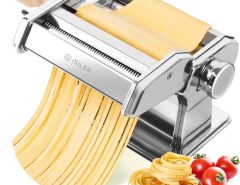
Versatility represents another crucial consideration for serious home cooks. This pasta maker accommodates multiple thickness settings, allowing experimentation with various pasta styles. Whether creating delicate angel hair or sturdy fettuccine, adjustment capabilities provide necessary flexibility. Consequently, one machine replaces multiple specialized tools, maximizing kitchen efficiency and minimizing storage requirements.
The hand-crank mechanism deserves special attention. Smooth operation requires precisely calibrated rollers and well-engineered gearing systems. The L’Alunno Pasta Maker by PastaVirtuoso delivers consistent results through thoughtful mechanical design. Users report minimal effort required, even when processing stiffer semolina doughs. Moreover, the ergonomic crank handle reduces hand fatigue during extended pasta-making sessions.
The Science Behind Superior Fresh Pasta
Fresh pasta differs fundamentally from dried commercial varieties. Research published in food science journals indicates that freshly made pasta contains higher moisture content, typically around 30 percent compared to 12 percent in dried pasta. This moisture creates tender texture and better sauce absorption. Additionally, fresh pasta cooks in roughly three minutes versus eight to twelve minutes for dried alternatives.
Controlling thickness proves essential for achieving restaurant-quality results. The L’Alunno Pasta Maker offers graduated adjustment settings that accommodate different pasta types. Thicker sheets work beautifully for lasagna or pappardelle. Conversely, thinner settings produce elegant tagliatelle or fettuccine. Therefore, understanding these variables transforms average home cooking into extraordinary dining experiences.
Temperature control during pasta making significantly impacts final texture. Manual machines naturally maintain dough temperature better than electric models. Friction from motorized rollers can warm dough excessively, potentially affecting gluten structure. However, hand-cranked operations proceed at controlled speeds that preserve ideal dough conditions throughout processing.
Featured Snippet:
What makes the L’Alunno Pasta Maker by PastaVirtuoso special?
This manual hand-crank pasta maker combines durable construction with a user-friendly design for creating fresh noodles and pasta at home. It features adjustable thickness settings, sturdy metal rollers, and ergonomic operation. The hand-crank mechanism provides precise control over dough processing without electricity requirements. Users can create various pasta types, including fettuccine, linguine, and lasagna sheets. The compact design fits standard countertops, while the clamp-style mounting ensures stability during operation. Built from food-grade materials, it offers long-lasting performance for home cooks seeking authentic pasta-making experiences. The manual operation maintains optimal dough temperature, resulting in superior texture compared to electric alternatives. Therefore, it represents excellent value for anyone serious about homemade pasta.
Pros and Cons: The Honest Assessment
Advantages:
• Exceptional build quality ensures years of reliable service without mechanical failures or degradation • Manual operation provides complete control over pasta thickness and rolling speed for consistent results • No electricity required makes it portable and suitable for any kitchen environment or outdoor cooking • Easy maintenance with simple cleaning procedures that take minutes rather than complicated disassembly • Compact footprint saves valuable kitchen storage space compared to bulky electric machines • Quiet operation won’t disturb household members during early morning or late evening cooking sessions
Disadvantages:
• Physical effort required may challenge users with limited hand strength or mobility issues • Processing large batches takes more time compared to electric models with automated feeding systems • Learning curve exists for achieving perfectly even thickness on initial attempts • Requires a stable mounting surface with adequate clearance for comfortable crank operation
Real-World Experience: From Kitchen to Table
Testing the L’Alunno Pasta Maker revealed several practical insights. Initial setup took approximately five minutes, including secure mounting and familiarization with adjustment mechanisms. The included instructions provided clear guidance, though intuitive design made them almost unnecessary. First batch results showed impressive consistency once proper dough hydration was achieved.
Dough preparation significantly influences final results regardless of machine quality. The ideal pasta dough should feel slightly tacky but not sticky. Starting with properly rested dough ensures smooth rolling without tearing. Additionally, dusting lightly with semolina flour prevents sticking without compromising texture. These techniques, combined with the machine’s reliable performance, consistently produced professional-quality pasta.
Cleaning proved remarkably straightforward. Simply brushing away dried flour particles maintained machine hygiene between uses. Occasionally, wiping metal surfaces with a dry cloth prevented residue buildup. Unlike electric models with motors and complex mechanisms, this manual design simplified maintenance dramatically. Therefore, cleanup never became a deterrent to frequent pasta making.
Expert Tips for Maximum Success
Seasoned pasta makers emphasize several critical factors. First, flour quality matters tremendously. Italian “00” flour creates silkier pasta, while semolina provides firmer texture and better shape retention. However, all-purpose flour works adequately for beginners experimenting with techniques. Blending different flours allows customization based on personal preferences and sauce pairing considerations.
Proper dough hydration requires attention to environmental factors. Humidity levels affect flour’s moisture absorption capacity significantly. Consequently, recipes serve as guidelines rather than absolute formulas. Experienced cooks adjust liquid quantities based on dough feel, developing intuition through practice. The L’Alunno Pasta Maker by PastaVirtuoso accommodates slight hydration variations without compromising performance.
Rolling technique impacts final pasta quality substantially. Starting with the thickest setting and gradually decreasing creates superior results compared to immediate thin settings. Each pass through progressively narrower rollers develops gluten structure properly. Moreover, this approach prevents tearing and ensures even thickness throughout the entire pasta sheets.

Comparing Investment Value
Price considerations influence purchasing decisions naturally. The L’Alunno Pasta Maker positions itself in the mid-range category, balancing affordability with quality construction. Budget alternatives often sacrifice durability, requiring replacement within months. Conversely, premium Italian imports command prices triple this model despite offering similar functionality.
Cost per use calculations reveal the true value proposition. Frequent pasta makers recoup investment quickly compared to purchasing fresh pasta from specialty markets. A typical package of fresh pasta costs between six and twelve dollars. Meanwhile, homemade pasta ingredients cost approximately one dollar per pound. Therefore, making pasta just ten times covers the machine’s cost while delivering superior quality.
Long-term reliability adds another dimension to value assessment. Well-constructed manual pasta makers last decades with minimal maintenance. Many families pass quality machines through generations, creating both culinary legacy and practical savings. The L’Alunno Pasta Maker’s robust construction suggests similar longevity potential.
Health and Dietary Considerations
Homemade pasta offers significant nutritional advantages. Controlling ingredients means eliminating preservatives, artificial colors, and unnecessary additives found in commercial products. Additionally, fresh pasta typically contains only flour, eggs, and salt. This simplicity appeals to health-conscious consumers seeking clean eating options.
Dietary restrictions become manageable with homemade pasta. Gluten-free flours work effectively in manual machines with proper technique adjustments. Similarly, egg-free versions accommodate vegan diets without sacrificing texture or flavor. Therefore, the L’Alunno Pasta Maker by PastaVirtuoso supports diverse nutritional needs through ingredient customization.
Portion control improves naturally when making pasta from scratch. The physical effort and time investment encourage mindful consumption rather than mindless overeating. Furthermore, appreciating the craftsmanship involved in pasta creation fosters healthier relationships with food generally.
Frequently Asked Questions
How difficult is using a manual pasta maker for beginners?
Most users achieve acceptable results within their first few attempts. The learning curve involves understanding proper dough consistency and rolling techniques. However, the L’Alunno Pasta Maker’s intuitive design minimizes frustration during initial practice sessions. Starting with basic shapes like fettuccine builds confidence before attempting more challenging varieties.
Can this machine handle different pasta types beyond basic noodles?
Yes, adjustable thickness settings accommodate various pasta styles from thick pappardelle to thin angel hair. Additionally, rolled sheets can be hand-cut into lasagna rectangles or stuffed for ravioli. Therefore, one machine provides remarkable versatility for creative pasta enthusiasts.
What maintenance does a manual pasta maker require?
Regular maintenance involves brushing away dried flour after each use and occasionally wiping with a dry cloth. Avoiding water prevents rust on metal components. Furthermore, periodic food-grade mineral oil application keeps moving parts operating smoothly. These simple steps ensure decades of reliable performance.
Is manual pasta making worth the extra effort compared to store-bought options?
Absolutely, for those valuing quality, freshness, and ingredient control. The superior taste and texture of homemade pasta significantly enhance meals. Moreover, the meditative process of pasta making provides stress relief and creative satisfaction beyond mere nutrition.
How much counter space does this pasta maker need?
The compact design requires approximately twelve inches of counter depth with adequate clearance for crank operation. The clamp-style mounting fits counters up to two inches thick. Therefore, most standard kitchens accommodate installation without dedicated permanent space allocation.
Final Thought: Embracing Culinary Craftsmanship
The L’Alunno Pasta Maker by PastaVirtuoso represents more than kitchen equipment. It symbolizes commitment to quality, tradition, and mindful food preparation. In an era dominated by convenience and speed, manual pasta making offers a counterbalance through intentional creation. The tactile satisfaction of transforming simple ingredients into extraordinary meals cannot be replicated by store-bought alternatives. Read More: CGOLDENWALL Electric Pasta Maker Review: 12 Shapes, Digital Control, 650g Capacity
This machine delivers consistent performance that justifies its place in serious home kitchens. Whether preparing weeknight dinners or special occasion feasts, fresh pasta elevates every meal. The investment pays dividends through improved flavor, nutritional control, and pure enjoyment of culinary craft.
Ready to transform your cooking experience? Start your fresh pasta journey today and discover why generations of cooks have cherished this timeless tradition. Your taste buds will thank you, and your family will celebrate every delicious creation you produce.

Leave a Reply