
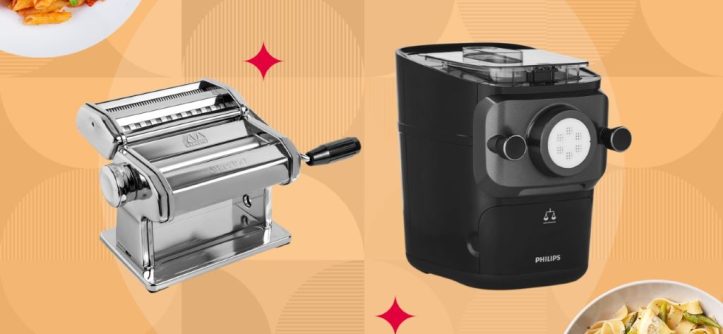
The quest for perfect homemade pasta has led countless home cooks to face a crucial decision: Marcato or Philips? These two powerhouse brands represent the pinnacle of pasta-making excellence, each offering distinct approaches to creating restaurant-quality noodles at home. While Marcato champions traditional Italian craftsmanship with manual precision, Philips embraces modern automation technology. This comprehensive comparison will examine every aspect of these world-class pasta makers, from build quality to performance metrics. Whether you’re seeking artisanal control or convenient automation, understanding the strengths and limitations of each brand will guide you toward the perfect pasta-making solution for your culinary adventures.
Understanding the Legacy and Innovation Behind These Pasta Maker Giants
Marcato’s Rich Italian Heritage and Craftsmanship Excellence
Marcato has been crafting exceptional pasta machines since 1930, establishing itself as Italy’s premier pasta maker manufacturer. The company’s dedication to traditional methods combined with modern precision engineering has earned widespread recognition among professional chefs and home cooking enthusiasts. Their flagship Atlas 150 model represents decades of refinement, featuring patented anodized aluminum rollers that deliver consistent results.
The brand’s commitment to quality extends beyond manufacturing. Each Marcato pasta maker undergoes rigorous testing to ensure optimal performance. Marcato has been producing Italian machines since 1930, and the Atlas 150 is beautifully crafted and runs like a well-oiled machine. This attention to detail has made Marcato the preferred choice for culinary professionals worldwide.

Philips Modern Approach to Automated Pasta Making Excellence
Philips revolutionized home pasta making by introducing fully automated electric models that handle mixing, kneading, and extruding processes. Their innovative approach eliminates traditional manual labor while maintaining exceptional quality standards. The company’s research and development investments have produced cutting-edge features like ProExtrude technology and precision timing systems.
Recent market analysis shows growing consumer preference for automated kitchen appliances. According to several market research agencies, the global market for pasta maker machines is expected to increase steadily between 2022 and 2028, with a compound annual growth rate (CAGR) of about 5%. Philips has positioned itself at the forefront of this trend, offering models that cater to varying household needs.
Comprehensive Design Philosophy and Build Quality Analysis Comparison
Marcato’s Traditional Manual Engineering and Construction Standards
Marcato pasta makers embody timeless Italian design principles, emphasizing durability and functionality over flashy features. The chrome-plated stainless steel construction ensures longevity while providing elegant kitchen aesthetics. Manual operation requires user engagement, offering complete control over dough thickness and texture development.
The engineering excellence becomes apparent through smooth roller operation and precise adjustment mechanisms. Users can select from ten different thickness settings, accommodating various pasta styles from delicate angel hair to robust pappardelle. However, the manual process demands physical effort and technique development, making it ideal for cooking enthusiasts who enjoy hands-on preparation.
Philips Automated Technology and Contemporary Design Integration
Philips pasta makers feature sleek, modern designs that complement contemporary kitchen aesthetics. The compact footprint suits smaller spaces while maintaining professional-grade performance capabilities. Automated systems handle complex processes, making pasta creation accessible to novice cooks and busy households.
The electric models incorporate advanced mixing chambers, temperature sensors, and timing controls. These features ensure consistent dough development regardless of user experience level. Additionally, the automated approach reduces preparation time significantly, typically producing fresh pasta within fifteen minutes from start to finish.
Performance Metrics and Pasta Quality Output Detailed Comparison
Marcato Performance Standards and Pasta Texture Excellence
Marcato pasta makers consistently deliver superior texture and authentic Italian characteristics. The manual rolling process develops gluten structure gradually, creating pasta with ideal bite and sauce-holding properties. Professional chefs often prefer this method for its predictable results and customization capabilities.
Testing reveals excellent performance across various dough types, from traditional egg pasta to specialty whole grain variations. When you can pick, I’d say the Marcato is the better machine of the two, especially now that they’re in the same price range. The roller system accommodates different moisture levels effectively, though optimal results require practice and technique refinement.
Philips Automated Precision and Consistency Standards
Philips electric pasta makers excel in producing uniform, consistent results with minimal user intervention. The automated mixing and kneading systems ensure proper hydration and gluten development every time. Multiple disc options enable various pasta shapes, from classic spaghetti to specialty tubes and shells.
Performance testing shows reliable output quality across different recipe variations. The built-in weighing system and precise timing controls eliminate guesswork, making it virtually impossible to over-knead or under-develop dough. However, some experienced cooks prefer the tactile feedback available with manual methods.
Versatility Assessment and Pasta Variety Capabilities
Marcato’s Extensive Pasta Shape Options and Accessory Ecosystem
Marcato offers impressive versatility through numerous accessory attachments and cutting tools. The base Atlas 150 model produces fettuccine and tagliolini, while additional cutters enable linguine, angel hair, and pappardelle creation. Specialized attachments support ravioli, gnocchi, and filled pasta preparation.
The modular design allows gradual expansion of capabilities as skills develop. Advanced users can create virtually any pasta shape with proper technique and accessories. This flexibility appeals to serious cooking enthusiasts who appreciate traditional methods and want comprehensive pasta-making capabilities.
Philips Shape Diversity and Pre-programmed Recipe Options
Philips pasta makers include multiple shaping discs covering popular pasta varieties. Standard models typically provide eight different shapes, including spaghetti, penne, fettuccine, and lasagna sheets. The automated system ensures precise dimensions and consistent thickness across all shapes.
Built-in recipe programs offer guided preparation for various pasta types, flour blends, and flavor additions. The digital interface provides step-by-step instructions, making complex preparations accessible to beginners. However, customization options remain somewhat limited compared to manual systems.
User Experience and Learning Curve Evaluation
Marcato Learning Requirements and Skill Development Process
Using Marcato pasta makers effectively requires technique development and practice. Initial attempts may produce inconsistent results until users master dough preparation, feeding angles, and roller adjustment timing. The learning curve can be steep for complete beginners but rewards patience with superior control.
Experienced users appreciate the tactile feedback and ability to adjust techniques mid-process. This hands-on approach develops pasta-making intuition and enables creative experimentation. Many consider the learning process enjoyable and educational, viewing it as a valuable culinary skill.
Philips User-Friendly Operation and Convenience Features
Philips electric models prioritize ease of use and consistent results from the first attempt. Clear digital displays, pre-measured ingredient requirements, and automatic timing eliminate common beginner mistakes. The straightforward operation makes it ideal for busy households and occasional pasta makers.
Setup and cleanup processes are streamlined for convenience. Removable components facilitate thorough cleaning, while compact storage fits most kitchen configurations. The simplified approach appeals to users who prioritize convenience and reliable results over hands-on involvement.
Pricing Analysis and Value Proposition Comparison
Marcato Cost Considerations and Long-term Investment Value
Marcato pasta makers represent excellent long-term value despite higher initial costs. The durable construction typically provides decades of reliable service with minimal maintenance requirements. Manual operation eliminates electrical component failures and reduces replacement part needs.
The modular accessory system allows gradual investment expansion rather than requiring upfront purchase of comprehensive packages. This approach suits budget-conscious buyers who want professional-quality results without immediate major expenditure.
Philips Pricing Structure and Feature-to-Cost Analysis
Philips electric pasta makers offer competitive pricing considering their automation features and convenience benefits. Initial costs vary significantly based on model selection and included accessories. Entry-level options provide basic functionality, while premium models include extensive shape libraries and advanced controls.
Operating costs remain minimal beyond electricity usage and occasional replacement of shaping discs. The time-saving benefits may justify higher initial investment for busy households or frequent pasta makers seeking convenience over traditional methods.

Maintenance Requirements and Durability Assessment
Marcato Maintenance Simplicity and Longevity Expectations
Marcato pasta makers require minimal maintenance beyond regular cleaning and occasional lubrication. The mechanical design eliminates complex electrical systems that could fail over time. Proper care typically ensures decades of reliable operation.
Cleaning involves disassembly and thorough washing of removable components. The stainless steel construction resists corrosion and maintains appearance with basic maintenance. Replacement parts remain available for older models, supporting long-term serviceability.
Philips Maintenance Protocols and Service Considerations
Philips electric models require more comprehensive maintenance due to their complex automated systems. Regular cleaning of internal components prevents flour buildup and ensures optimal performance. The manufacturer provides detailed maintenance guides and support resources.
Electrical components may require professional service if problems develop. However, typical household use patterns suggest reliable operation for several years with proper care. Warranty coverage provides additional peace of mind for potential issues.
Final Verdict and Recommendations for Different User Types
Choosing Marcato for Traditional Pasta Making Excellence
Marcato pasta makers suit cooking enthusiasts who appreciate traditional methods and hands-on involvement. The superior build quality and extensive customization options justify the learning curve for serious pasta makers. Those seeking authentic Italian pasta characteristics and long-term durability will find excellent value.
Selecting Philips for Modern Convenience and Automation
Philips electric models excel for busy households prioritizing convenience and consistent results. The automated approach removes guesswork while delivering reliable pasta quality. Families with varying cooking skill levels benefit from the user-friendly operation and quick preparation times.
Frequently Asked Questions
Which pasta maker produces better-quality pasta?
Marcato typically produces superior pasta texture due to its gradual gluten development process. However, Philips delivers excellent consistency and eliminates common beginner mistakes through automation.
Are electric or manual pasta makers more durable?
Manual pasta makers like Marcato generally offer greater longevity due to simpler mechanical designs. Electric models may require more maintenance but provide convenience benefits that justify the trade-off.
How much counter space do these pasta makers require?
Marcato models need adequate workspace for manual operation but store compactly. Philips electric units require dedicated counter space during operation and storage but feature space-efficient designs.
Can beginners use these pasta makers successfully?
Philips electric models are ideal for beginners due to automated processes and guided operation. Marcato requires practice but offers excellent learning opportunities for developing pasta-making skills.
What’s the typical price difference between these brands?
Pricing varies significantly based on models and features. Entry-level options from both brands offer competitive pricing, while premium models reflect their respective technological approaches and capabilities.
Conclusion
The battle between Marcato and Philips pasta makers ultimately depends on your personal preferences and cooking style. Marcato champions traditional Italian craftsmanship with superior build quality and extensive customization options. Their manual approach rewards patience with authentic pasta characteristics and long-term durability. Meanwhile, Philips revolutionizes pasta making through innovative automation technology that delivers consistent results with minimal effort. Read More: Top 10 Pasta Makers for Beginners and Home Chefs: Your Guide to Fresh, Homemade Pasta
Consider Marcato if you enjoy hands-on cooking, appreciate traditional methods, and prioritize authentic pasta texture. Choose Philips for convenience, consistent results, and user-friendly operation that accommodates varying skill levels. Both brands represent excellent investments in your culinary journey, each offering unique advantages for creating memorable pasta experiences at home.
Ready to transform your pasta-making journey? Share your experiences with these pasta makers in the comments below, and help fellow cooking enthusiasts make informed decisions for their kitchens!

Leave a Reply