
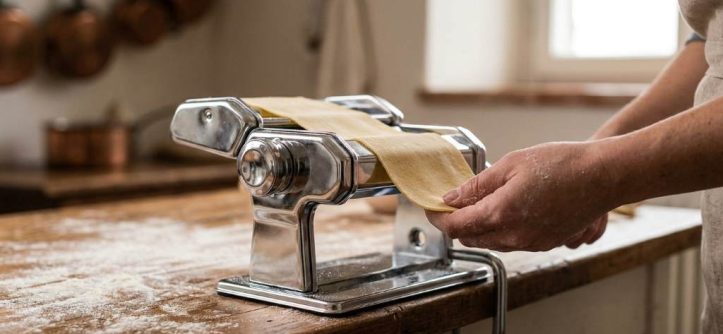
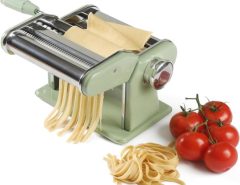
Yes, the Marcato Atlas 150 Classic remains a strong choice for controlled, homemade pasta. Its 150 mm rollers and 10 thickness settings give home cooks precise control over pasta sheets. The marcato atlas 150 classic manual pasta maker also combines durable construction with simple hand-crank operation. Instead of relying on electronics, you control every stage from rolling to cutting. That approach suits cooks who value texture, consistency, and traditional preparation. However, its cleaning requirements and limited included shapes deserve consideration before buying.
Key Takeaways
- The Atlas 150 offers precise thickness control for different pasta styles.
- Its manual design provides excellent control without motors or complicated electronics.
- The machine makes lasagna sheets, fettuccine, and tagliolini with included cutters.
- Its durable construction makes sense for frequent homemade pasta preparation.
- Optional accessories can expand its pasta-making capabilities considerably.
- Proper dough consistency matters more than expensive ingredients for smooth operation.
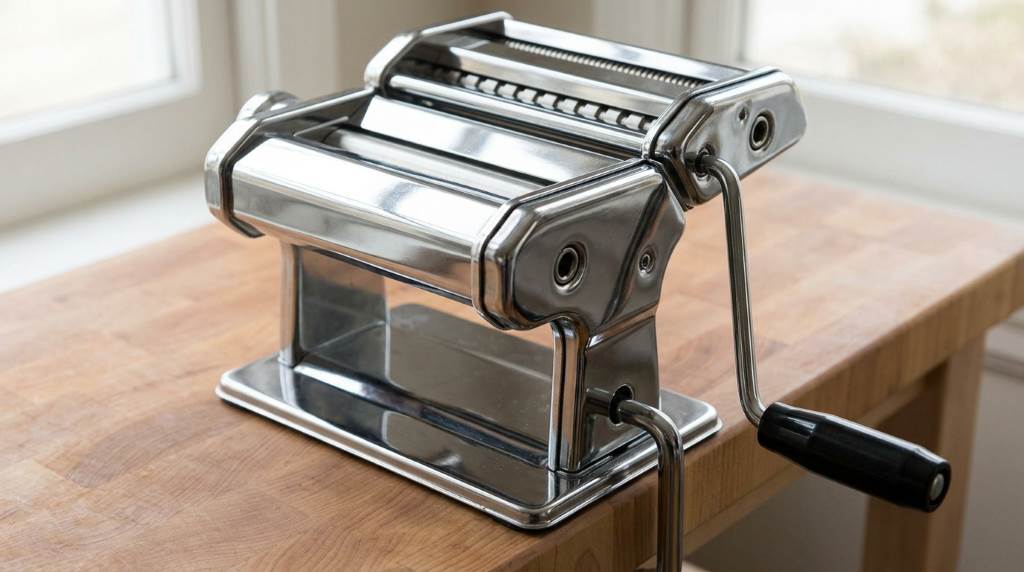
What Makes the Atlas 150 Worth Buying?
The strongest reason to buy the Atlas 150 is its balance of control, durability, and simplicity. Many pasta machines either sacrifice precision for convenience or add features that home cooks rarely need. Marcato takes a different approach by focusing on mechanical reliability and straightforward operation. Consequently, the machine feels more like a long-term kitchen tool than a novelty appliance.
The 150 mm roller width gives you enough working space for everyday pasta preparation. Meanwhile, the adjustable dial lets you progressively reduce dough thickness without complicated controls. This combination makes the machine useful for beginners while still rewarding experienced cooks. You can therefore develop better pasta-making technique instead of depending on automation.
Precise Thickness Control Improves Homemade Pasta
Pasta thickness directly affects cooking time, texture, sauce absorption, and structural strength. A reliable adjustment system lets you repeat successful recipes without guessing the dough thickness. The Atlas 150 uses 10 numbered settings, ranging from thick sheets to very thin sheets.
That range supports different preparations without requiring separate rolling equipment. For example, thicker settings work well when beginning the rolling process. Gradually thinner settings can then prepare sheets for delicate tagliolini or filled pasta.
Why Gradual Rolling Matters
Experienced pasta makers rarely force dough directly toward its final thickness. Instead, they progressively reduce the roller gap through several passes. This method helps create smoother sheets while reducing unnecessary stress on the dough.
Furthermore, gradual rolling gives you greater control over uneven dough edges. You can fold and reroll the sheet when necessary before reaching the final setting. That practical control represents one of the machine’s biggest advantages over inexpensive alternatives.
Manual Operation Gives You Better Control
A hand-crank machine requires more involvement than an electric pasta maker. However, that extra involvement gives you immediate feedback while rolling the dough. You can slow down, adjust pressure, or stop whenever the sheet behaves unexpectedly.
This control becomes especially useful when experimenting with flour blends or different hydration levels. An electric machine continues at its programmed pace regardless of small changes in dough texture. With the Atlas 150, your hands remain directly connected to the process.
Who Benefits Most From Manual Pasta Making?
- Home cooks who enjoy traditional food preparation.
- Beginners learning how dough responds to pressure and thickness changes.
- Frequent pasta makers seeking a durable countertop tool.
- Cooks who prefer mechanical equipment over electronic appliances.
- Families who want an interactive cooking activity.
Three Pasta Styles Without a Complicated Setup
The classic machine handles lasagna sheets, fettuccine, and tagliolini with its included setup. That selection covers several foundational pasta preparations without overwhelming new users. You can therefore master the basics before purchasing additional accessories.
The included cutters also make the transition from rolled sheet to finished noodles straightforward. Simply prepare the sheet, select the appropriate cutter, and crank the dough through. This simple workflow reduces the learning curve compared with machines featuring numerous unfamiliar attachments.
Built for Frequent Homemade Pasta Sessions
Durability matters because pasta making creates repeated mechanical stress. You repeatedly turn the crank, feed dough through rollers, adjust thickness, and operate cutters. A weak machine can develop instability or inconsistent movement when used frequently.
The Atlas 150’s established construction gives it a substantial advantage over many low-cost machines. Its metal-focused design also provides the reassuring weight associated with traditional pasta equipment. Therefore, frequent cooks can justify the higher initial investment more easily.
Atlas 150 Classic Versus Cheaper Pasta Makers
Budget machines can produce acceptable noodles, especially for occasional users. Nevertheless, lower prices often reflect compromises involving materials, adjustment mechanisms, stability, or long-term consistency. The important question involves how frequently you expect to make pasta.
| Factor | Atlas 150 Classic | Typical Budget Machine |
|---|---|---|
| Thickness control | 10 numbered settings | Usually fewer or less precise settings |
| Operation | Manual hand crank | Usually manual hand crank |
| Included shapes | Lasagna, fettuccine, tagliolini | Varies considerably |
| Construction | Established metal construction | Often lighter materials |
| Accessories | Expandable through compatible cutters | Usually more limited |
| Best use | Regular homemade pasta | Occasional experimentation |
Therefore, the Atlas 150 makes more sense when reliability matters more than the lowest purchase price. Occasional users may reasonably choose a cheaper alternative instead. However, frequent pasta makers usually gain more value from dependable adjustment and construction.
Atlas 150 Classic Versus Electric Pasta Makers
Electric machines appeal to cooks who prioritize speed and reduced physical effort. Some models mix, knead, extrude, or automate several stages. However, automation can reduce the hands-on control that defines traditional pasta preparation.
The Atlas 150 lets you judge dough texture before every pass. You can also stop immediately when the sheet becomes too soft, dry, or sticky. As a result, the manual process can teach skills that automatic equipment often hides.
Choose Manual If You Value Control
Choose the Atlas 150 if you enjoy shaping dough and controlling the final texture. Choose an electric model if convenience matters more than hands-on preparation. Neither approach wins universally because each serves a different cooking style.
Dough Preparation Determines Machine Performance
Even an excellent pasta maker cannot compensate for poorly prepared dough. Dough that contains excessive moisture can become sticky and difficult to cut cleanly. Conversely, overly dry dough may crack, tear, or resist smooth rolling.
Start with a dough that feels firm but workable before using the machine. Let the dough rest according to your recipe before beginning repeated rolling. Then dust lightly when necessary instead of adding excessive flour throughout the process.
A Practical Rolling Workflow
- Prepare a firm, cohesive pasta dough.
- Allow the dough to rest before rolling.
- Divide the dough into manageable portions.
- Flatten each portion before feeding it through.
- Begin at the widest roller setting.
- Reduce thickness gradually across several passes.
- Cut the finished sheet immediately after reaching the desired thickness.
This workflow reduces tearing and makes thickness changes easier to control. Additionally, consistent portion sizes help you produce sheets with similar dimensions. Small improvements in preparation often create larger gains than changing equipment.
Cleaning Requires a Different Mindset
Cleaning represents one area where the Atlas 150 demands more attention. You should not treat the machine like washable kitchen equipment. Instead, allow dough residue to dry before removing it with an appropriate brush or small tool.
Never rely on running water to clean the machine’s internal rollers. Water can create maintenance problems and potentially encourage corrosion around unsuitable components. Therefore, careful dry cleaning should become part of your normal pasta-making routine.
How to Keep the Machine in Good Condition
- Remove visible dough residue after each session.
- Let stubborn dough dry before brushing it away.
- Avoid immersing or washing the machine with water.
- Keep the rollers free from accumulated flour and dough.
- Store the machine somewhere dry and protected.
These habits require little effort once they become routine. More importantly, they protect the machine from careless cleaning practices. For frequent users, that maintenance discipline can significantly extend practical service life.
Consider the Accessory Ecosystem Before Buying
The Atlas platform offers another advantage for cooks who expect their pasta repertoire to grow. Compatible cutters and accessories can expand the number of shapes you produce. This approach lets you build your equipment gradually instead of buying everything initially.
The machine can also support motor-based operation through compatible accessories on appropriate models. That option provides a useful middle ground between traditional hand cranking and purchasing an entirely different electric machine. However, always verify compatibility with your exact Atlas version before purchasing attachments.
One Important Buying Consideration: Classic Versus Newer Models
Buyers should understand that the Atlas 150 Classic represents an established version within Marcato’s Atlas lineup. Newer Atlas models may offer updated features or additional pasta-shape capabilities. Therefore, compare the exact model number and included accessories before placing an order.
This distinction matters because listings sometimes use similar Atlas 150 terminology. A lower price does not automatically mean better value if the listing contains fewer accessories. Always verify the included cutters, thickness settings, warranty, and model designation.
Who Should Buy the Marcato Atlas 150 Classic?
The machine suits home cooks who want consistent sheets without surrendering control. It also works well for beginners who prefer learning through physical feedback. Furthermore, its traditional design appeals to cooks who enjoy the process as much as the finished meal.
You may want another machine if you need automatic mixing and extrusion. Likewise, extremely high-volume cooking may favor powered equipment. Still, for regular home pasta sessions, the Atlas 150 offers an unusually balanced combination of control and durability.
Who Should Skip It?
The Atlas 150 may not suit someone who dislikes manual preparation or careful cleanup. It also makes less sense for cooks who rarely prepare fresh pasta. In those situations, the higher investment may provide little practical benefit.
You should also reconsider the purchase if you specifically want many pasta shapes immediately. The included cutters focus on a small selection of classic preparations. However, compatible accessories can address that limitation if your interest grows.
How to Get Better Results From Your First Batch
Start with a familiar egg-pasta recipe rather than an experimental dough. Measure ingredients carefully and prioritize dough consistency before worrying about advanced shapes. Then practice rolling one portion repeatedly until the process feels predictable.
Keep the dough surface lightly floured when necessary, but avoid excessive flour. Too much flour can affect texture and make cutting less clean. Finally, cook a small portion before processing the entire batch if you are testing a new recipe.
Is the Atlas 150 a Smart Long-Term Purchase?
For regular pasta makers, yes, provided you value manual control and durable construction. Its usefulness comes from repeatable thickness adjustment rather than unnecessary electronic features. The machine also leaves room for future experimentation through compatible accessories.
However, the purchase becomes less compelling when convenience ranks above craftsmanship. Electric machines can reduce physical effort and automate several preparation stages. The Atlas 150 instead rewards patience, technique, and direct involvement.
Frequently Asked Questions
Is the Marcato Atlas 150 Classic good for beginners?
Yes, its straightforward controls and gradual thickness adjustment make it approachable for beginners.
What pasta can the Atlas 150 Classic make?
It produces lasagna sheets, fettuccine, and tagliolini using its standard included cutting setup.
Does the Atlas 150 Classic require electricity?
No, the Classic model operates manually with a hand crank and does not require electricity.
Can you wash the Atlas 150 Classic with water?
No, dry cleaning methods are recommended because water can damage unsuitable machine components.
Should you buy the Atlas 150 Classic or a newer model?
Compare current pricing, included accessories, warranty coverage, and features before choosing between versions.
Final Verdict
The Marcato Atlas 150 Classic earns consideration because it focuses on the fundamentals that matter most. Precise thickness control, durable construction, manual feedback, and expandable accessories create a strong long-term package.
Before buying, confirm the exact model, included cutters, maintenance requirements, and available accessories. If you enjoy making fresh pasta and want dependable control, the Atlas 150 Classic remains a compelling choice. Choose your preferred model carefully, then start with simple dough and build your technique from there.

Leave a Reply