
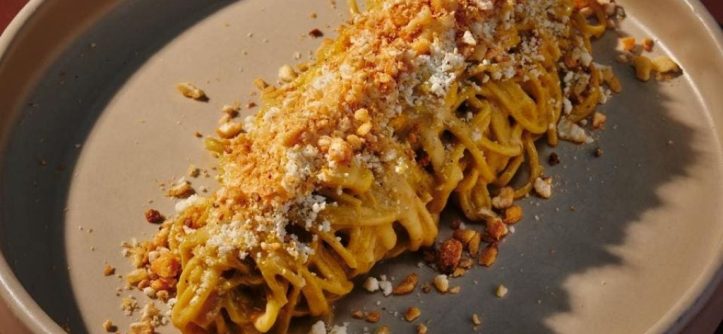
The culinary world has witnessed an extraordinary transformation in recent years. International pasta dishes are breaking traditional boundaries and gaining global fame like never before. From Korean gochujang-infused noodles to Japanese-inspired wafu pasta, these innovative creations blend diverse cultural flavors with beloved Italian techniques. This fusion represents more than just food trends. It showcases how globalization transforms our dining experiences. Additionally, social media platforms have accelerated the spread of these unique pasta interpretations. Therefore, home cooks and professional chefs worldwide are experimenting with cross-cultural combinations.
Understanding the Global Pasta Revolution Movement
The international pasta movement represents a significant shift in culinary culture. Traditional Italian pasta preparation has evolved through cultural exchanges worldwide. However, this evolution maintains respect for fundamental pasta-making principles while incorporating international ingredients and techniques.
Modern chefs combine authentic Italian methods with local flavors from their respective countries. For example, Korean restaurants integrate fermented ingredients like kimchi into creamy pasta sauces. Similarly, Japanese establishments create delicate seafood-based pasta dishes using traditional dashi broths. These innovations demonstrate how culinary traditions can harmoniously blend without losing their individual identities.
Social media has played a crucial role in spreading these international pasta variations. Food bloggers and home cooks share their creative interpretations through visual platforms. Consequently, dishes that originated in specific regions now appear on dinner tables across different continents.

Korean-Italian Fusion Pasta Dishes Taking Center Stage
Korean-Italian fusion has emerged as one of the most popular international pasta trends. Gochujang pasta represents the Korean take on Italian vodka sauce pasta, creating a garlicky, cheesy, ultra-creamy dish ready in 20 minutes. This combination perfectly balances Korean heat with Italian creaminess.
Kimchi carbonara has become another sensation among food enthusiasts worldwide. The fermented cabbage adds a tangy complexity that complements the rich egg-based sauce beautifully. Additionally, Korean chefs incorporate ingredients like bulgogi beef and sesame oil into traditional pasta preparations.
The success of these dishes stems from complementary flavor profiles between Korean and Italian cuisines. Both cultures emphasize umami-rich ingredients and bold flavors. Therefore, the fusion feels natural rather than forced, creating harmonious taste experiences.
Japanese Wafu Pasta Gaining International Recognition
Japanese pasta, known as Wafu pasta, represents a fusion of Japanese and Italian cooking that began during Japan’s internationalization in the Meiji period. This culinary tradition has now captured global attention through its subtle yet sophisticated approach to pasta preparation.
Mentaiko pasta, featuring spicy cod roe, has become particularly popular in international restaurants. The dish combines creamy butter sauce with the briny complexity of seasoned fish eggs. Moreover, uni pasta showcases sea urchin’s delicate flavor in a light cream base.
Japanese chefs excel at incorporating traditional ingredients like nori, miso, and sake into pasta dishes. These elements create unique umami profiles that differ significantly from traditional Italian preparations. However, the technique remains fundamentally Italian, ensuring proper pasta texture and sauce integration.
Middle Eastern and Mediterranean Pasta Innovations
Middle Eastern influences have created fascinating pasta variations that are gaining worldwide recognition. Harissa-infused pasta brings North African heat to Italian comfort food. Additionally, za’atar and sumac create bright, tangy flavors in olive oil-based preparations.
Turkish restaurants worldwide serve pasta dishes featuring ingredients like Turkish cheese, dried apricots, and pistachios. These combinations might seem unusual initially. However, they create surprisingly harmonious flavor profiles that appeal to diverse palates.
Lebanese-inspired pasta incorporates pomegranate molasses, creating sweet-tart sauces that complement both meat and vegetarian preparations. Furthermore, Middle Eastern herbs like mint and parsley add fresh brightness to traditional pasta dishes.
Latin American Pasta Fusion Trends
Latin American pasta innovations showcase vibrant flavors and bold ingredient combinations. Mexican-inspired pasta dishes feature poblano peppers, cilantro, and lime juice. These elements create fresh, zesty alternatives to traditional cream-based sauces.
Peruvian nikkei cuisine has contributed unique pasta preparations that blend Japanese techniques with South American ingredients. Aji amarillo pasta brings mild heat and fruity flavors to creamy preparations. Additionally, anticucho-inspired pasta features marinated beef hearts and traditional Peruvian spices.
Brazilian pasta dishes incorporate tropical fruits and regional cheeses. Coconut milk-based sauces provide creamy alternatives to dairy products. Moreover, Brazilian chefs use cashews and Brazil nuts to create rich, nutty pasta preparations.
The Science Behind Successful International Pasta Fusion
Successful international pasta fusion relies on understanding complementary flavor profiles and cooking techniques. Umami-rich ingredients from different cultures often work well together in pasta preparations. For instance, miso paste and parmesan cheese both provide savory depth without competing.
Acidity plays a crucial role in balancing international pasta dishes. Ingredients like kimchi, pickled vegetables, or citrus fruits brighten rich, creamy sauces. Therefore, understanding acid balance helps create well-rounded fusion dishes.
Temperature contrasts also enhance international pasta experiences. Cold toppings like fresh herbs or pickled vegetables provide textural interest against warm pasta. Additionally, varying cooking methods within single dishes create complex flavor layers.
Restaurant Industry Embracing International Pasta Trends
The global pasta market is projected to reach $64.4 billion by 2030, growing at a CAGR of 3.4% from 2023 to 2030, driven by increasing consumer interest in convenience foods and celebrity chef influences. This growth reflects the popularity of innovative pasta preparations in restaurants worldwide.
Fine dining establishments now feature international pasta dishes as signature menu items. Casual restaurants have embraced fusion pasta to attract adventurous diners seeking new experiences. Additionally, food trucks and fast-casual concepts serve quick versions of international pasta dishes.
Restaurant chains have begun incorporating fusion pasta options to appeal to diverse customer bases. This trend reflects changing consumer preferences toward global flavors and unique dining experiences. Moreover, social media marketing has amplified the popularity of visually striking international pasta dishes.
Home Cooking and International Pasta Accessibility
Home cooks increasingly experiment with international pasta recipes using readily available ingredients. Online recipes and cooking videos make previously exotic preparations accessible to average home kitchens. Therefore, international pasta dishes are no longer exclusive to specialized restaurants.
Grocery stores now stock international pasta ingredients that were once difficult to find. Items like gochujang, miso paste, and specialty cheeses are becoming mainstream pantry staples. Additionally, online shopping has made authentic ingredients more accessible than ever before.
Cooking classes and cultural food tours help home cooks understand proper techniques for international pasta preparation. These educational opportunities ensure that fusion dishes maintain authenticity while encouraging creative interpretation.
Health Benefits of International Pasta Variations
International pasta dishes often incorporate ingredients with unique nutritional profiles. Fermented ingredients like kimchi and miso provide beneficial probiotics for digestive health. Additionally, seaweed used in Japanese pasta preparations offers essential minerals and vitamins.
Many international pasta variations emphasize vegetable content over meat proteins. Asian-inspired pasta dishes frequently feature fresh vegetables, herbs, and light broths. Therefore, these preparations can be lighter and more nutritious than traditional cream-heavy pasta dishes.
Spicy international pasta dishes may boost metabolism through capsaicin content. Ingredients like gochujang, harissa, and chili peppers provide heat while offering potential health benefits. Moreover, herbs and spices used in international preparations often possess antioxidant properties.
Future Predictions for International Pasta Trends
The international pasta trend shows no signs of slowing down. Emerging fusion combinations continue to appear as chefs explore new cultural connections. African-inspired pasta dishes are beginning to gain attention in international culinary circles.
Plant-based international pasta preparations are becoming increasingly popular among health-conscious consumers. Chefs experiment with vegetable-based sauces that incorporate international flavors without traditional dairy products. Additionally, alternative pasta made from legumes and vegetables supports these health-focused trends.
Technology will likely accelerate international pasta trend development through social media platforms and cooking apps. Virtual cooking classes may introduce home cooks to increasingly diverse international pasta preparations. Furthermore, food delivery services will continue expanding international pasta options.

Personal Story: Discovering International Pasta Magic
During my travels through Seoul last year, I stumbled upon a small Italian restaurant run by a Korean chef. The menu featured traditional Italian dishes alongside Korean-Italian fusion creations. Initially skeptical about gochujang carbonara, I decided to try this unusual combination.
The first bite revealed an incredible harmony between familiar carbonara richness and unexpected Korean heat. The fermented chili paste added complexity without overwhelming the dish’s fundamental character. This experience opened my eyes to the potential of thoughtful international pasta fusion.
Since returning home, I’ve experimented with various international pasta combinations in my own kitchen. My family now enjoys weekly pasta nights featuring different cultural influences. These experiments have expanded our palates while creating memorable shared dining experiences.
Tips for Creating Your Own International Pasta Dishes
Research Traditional Flavor Profiles
- Study authentic international cuisines before attempting fusion
- Understand how traditional ingredients work together
- Respect cultural food traditions while exploring creative possibilities
- Start with simple combinations before attempting complex fusions
Balance Is Key to Success
- Combine complementary flavors rather than competing ones
- Use acid to brighten rich, heavy sauces
- Consider texture contrasts for interesting mouthfeel
- Taste frequently during cooking to adjust seasonings
Quality Ingredients Make a Difference
- Source authentic international ingredients when possible
- Don’t substitute unless you understand flavor implications
- Fresh herbs and spices significantly impact final results
- Quality pasta provides the foundation for successful dishes
Common Mistakes When Making International Pasta
Over-Seasoning with Unfamiliar Ingredients
Many home cooks add too much of new international ingredients. Start with small amounts and build flavors gradually. Strong ingredients like fish sauce or miso can quickly overwhelm pasta dishes.
Ignoring Pasta Cooking Fundamentals
International flavors don’t excuse poorly cooked pasta. Maintain proper cooking techniques regardless of sauce style. Al dente texture remains important for all pasta preparations.
Cultural Insensitivity in Fusion Attempts
Research cultural significance of ingredients before using them casually. Avoid combining ingredients that might be culturally inappropriate together. Respect food traditions while exploring creative possibilities.
Conclusion
International pasta dishes gaining global fame represent more than just culinary trends. They showcase how food connects cultures and creates new shared experiences. These innovative preparations demonstrate that tradition and creativity can coexist beautifully in modern kitchens.
The popularity of Korean gochujang pasta, Japanese wafu preparations, and other international variations reflects our increasingly connected world. Social media continues to spread these creative interpretations across continents. Therefore, home cooks and professional chefs worldwide have unprecedented access to diverse culinary inspirations. Read More: Spaghetti Alla Chitarra Recipes: Unleash Italian Flavors!
As we move forward, international pasta fusion will likely become even more sophisticated and accessible. The combination of traditional techniques with global flavors creates endless possibilities for culinary exploration. Additionally, these dishes help us appreciate both our cultural differences and shared love of good food.
Whether you’re trying Korean carbonara at a local restaurant or experimenting with Middle Eastern pasta at home, these international dishes offer exciting alternatives to traditional preparations. The future of pasta lies not in replacing traditional methods but in expanding our understanding of what pasta can become.
Have you tried any international pasta dishes recently? Share your favorite fusion combinations in the comments below, or tell us about your own creative pasta experiments. Don’t forget to share this article with fellow food enthusiasts who love exploring global cuisines!
Frequently Asked Questions
What Makes International Pasta Different from Traditional Italian Pasta?
International pasta incorporates ingredients, techniques, and flavor profiles from non-Italian cultures while maintaining fundamental pasta preparation methods. The difference lies in seasonings, sauces, and accompaniments rather than basic cooking techniques.
Are International Pasta Dishes Authentic to Their Cultural Origins?
Most international pasta dishes represent fusion cuisine rather than traditional cultural dishes. They blend elements from different culinary traditions to create new flavor experiences while respecting the fundamental aspects of each culture involved.
How Do I Choose the Right Pasta Shape for International Dishes?
Consider sauce consistency and ingredient size when selecting pasta shapes. Creamy Asian-inspired sauces work well with long pasta like linguine, while chunky Middle Eastern preparations suit shorter shapes like penne or rigatoni.
Can I Make International Pasta Dishes with Common Grocery Store Ingredients?
Many international pasta dishes can be adapted using commonly available ingredients. While authentic specialty ingredients enhance flavors, creative substitutions can produce delicious results for home cooks with limited access to international markets.
What Are the Most Popular International Pasta Trends Right Now?
Korean-Italian fusion featuring gochujang and kimchi, Japanese wafu pasta with miso and seafood, and Middle Eastern-inspired dishes with harissa and za’atar are currently the most popular international pasta trends worldwide.


Leave a Reply