
There is something magical about a plate of perfectly made spaghetti. The silky strands, the rich sauce clinging to every bite, the texture that feels nothing like the boxed variety. Most people assume that kind of quality only comes from a professional kitchen. However, with a manual pasta maker and a little practice, you can recreate that experience right at home.
This guide walks you through everything you need to know. From choosing the right ingredients to rolling the perfect dough, you will learn how to make spaghetti that rivals your favorite Italian restaurant.
Why Homemade Spaghetti Tastes Better
Fresh pasta and dried pasta are two very different things. Dried pasta from a box is convenient, but it cannot compete with the flavor and texture of fresh dough made at home.
Fresh spaghetti has a tender bite. It absorbs sauce more readily. Additionally, it cooks in just a few minutes, which makes it both quick and satisfying. When you make it yourself, you also control every ingredient. There are no preservatives, no additives, just flour, eggs, and a little salt.
Therefore, investing time in homemade spaghetti is always worth it. Once you taste the difference, going back to the box feels like a step backward.
Understanding Your Manual Pasta Maker
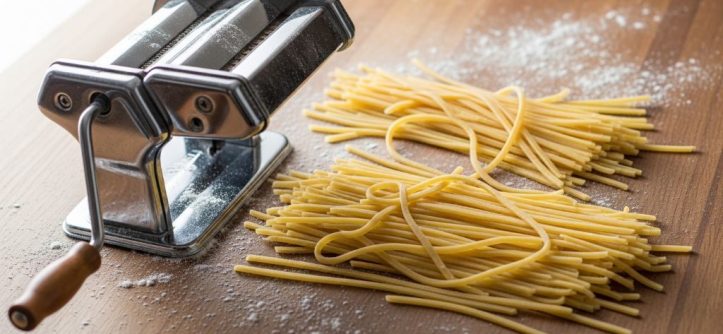
Before you start making dough, it helps to understand your tool. A manual pasta maker is a simple machine. It has two heavy rollers that flatten dough to a specific thickness. Most models also include attachments for cutting different pasta shapes, including spaghetti.
The machine clamps to a countertop for stability. You feed dough through the rollers by turning a hand crank. Additionally, most machines have a numbered dial that controls the thickness of the sheet. The higher the number, the thinner the dough.
Using a manual pasta maker is not difficult. However, it does require a steady hand and a bit of patience at first. After two or three attempts, the process becomes second nature.
Gathering the Right Ingredients
Great spaghetti starts with great ingredients. You do not need a long list. However, quality matters more than quantity here.
For the pasta dough, you will need:
- 2 cups of “00” flour or all-purpose flour
- 2 large eggs, at room temperature
- 1 tablespoon of olive oil
- A pinch of salt
- 1 to 2 teaspoons of water, if needed
“00” flour is finely milled Italian flour. It produces a smoother, more elastic dough. Therefore, it is the preferred choice for homemade pasta. However, all-purpose flour works well too, especially for beginners.
For a classic restaurant-style tomato sauce, you will need:
- 2 tablespoons of olive oil
- 4 garlic cloves, minced
- 1 can of San Marzano crushed tomatoes
- Fresh basil leaves
- Salt and pepper to taste
- A pinch of red pepper flakes (optional)
San Marzano tomatoes are sweeter and less acidic than regular canned tomatoes. Additionally, they have a richer flavor that forms the backbone of a great sauce.
Making the Pasta Dough
The dough is the foundation of your spaghetti. Getting it right makes everything else easier.
Start by pouring your flour onto a clean surface. Create a well in the center, like a small volcano. Crack the eggs into the well. Add the olive oil and salt. Using a fork, gently beat the eggs while slowly pulling in flour from the edges.
Once the mixture becomes too thick for a fork, use your hands. Knead the dough firmly for about eight to ten minutes. You are looking for a smooth, elastic texture. The dough should not stick to your hands or the surface. If it feels too dry, add a few drops of water. If it feels too sticky, dust with a little flour.
After kneading, wrap the dough tightly in plastic wrap. Let it rest for at least thirty minutes at room temperature. This step is important. Resting allows the gluten to relax, which makes rolling much easier.
Rolling and Cutting with the Manual Pasta Maker
Once your dough has rested, it is time to use the machine. Begin by cutting the dough into four equal portions. Work with one portion at a time. Keep the rest wrapped so it does not dry out.
Flatten the first portion with your hands into a rough rectangle. Set the pasta maker dial to the widest setting, usually number one. Feed the dough through the rollers. Fold it in half and feed it through again. Repeat this two or three times. This process strengthens the dough and gives it a smooth texture.
Next, gradually move the dial to a thinner setting. Feed the dough through once at each level. For spaghetti, a setting of five or six is usually ideal. The sheet should be thin but not translucent.
Once your sheet is ready, attach the spaghetti cutting roller to the machine. Feed the sheet through slowly. The machine will cut it into long, even strands. Lay the cut spaghetti on a floured surface or hang it on a pasta drying rack. Repeat with the remaining dough portions.
Cooking the Spaghetti Perfectly
Fresh pasta cooks much faster than dried pasta. Therefore, do not walk away from the pot.
Bring a large pot of water to a rolling boil. Add a generous amount of salt. The water should taste like the sea. This seasons the pasta from the inside as it cooks.
Add the fresh spaghetti and stir immediately. It will cook in two to four minutes. Taste it after two minutes. You want it to be tender but with just a slight firmness in the center. This is what Italians call “al dente.”
Before draining, save about one cup of the starchy pasta water. This liquid is gold. Additionally, it helps bind the sauce to the noodles and creates a silky, restaurant-quality finish.
Making the Restaurant-Style Tomato Sauce
While your pasta cooks, prepare the sauce. Heat olive oil in a wide pan over medium heat. Add the minced garlic and cook for about sixty seconds. Stir constantly to prevent burning.
Pour in the crushed tomatoes. Add salt, pepper, and red pepper flakes if using. Stir everything together. Let the sauce simmer on low heat for fifteen to twenty minutes. This allows the flavors to develop and the sauce to thicken slightly.
Taste the sauce and adjust seasoning as needed. Just before serving, tear fresh basil leaves and stir them in. Basil added at the end retains its bright, fresh flavor. Therefore, avoid adding it too early.
Bringing It All Together
This is the step that separates home cooking from restaurant cooking. Do not just pour sauce on top of pasta. Instead, combine them properly.
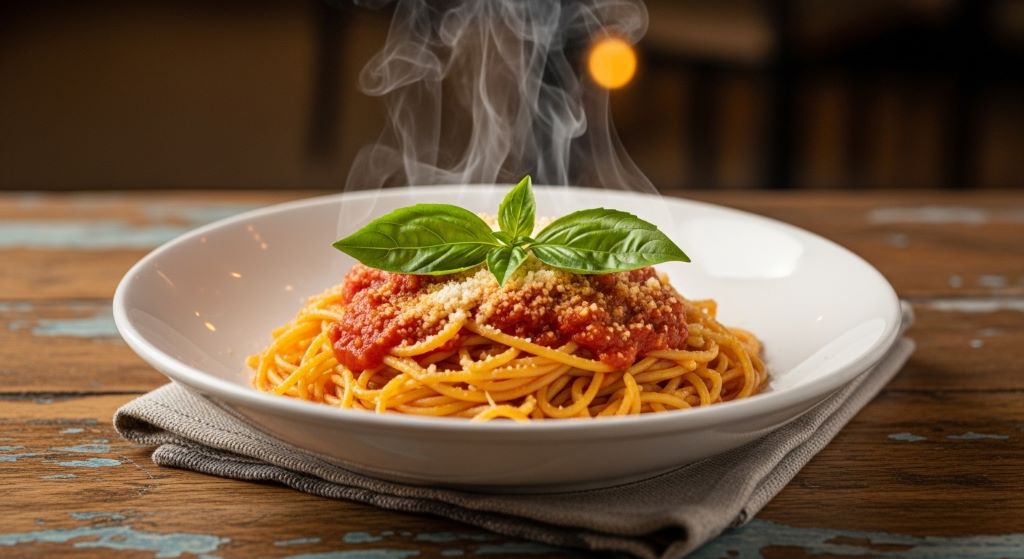
Add the drained spaghetti directly into the pan with the sauce. Pour in a splash of the reserved pasta water. Toss everything together over medium heat for one to two minutes. The pasta will absorb the sauce. The starchy water will help everything coat evenly.
Serve immediately in warm bowls. Add freshly grated Parmesan cheese on top. A drizzle of good olive oil and a few extra basil leaves finish the dish beautifully. Additionally, a crack of black pepper right before serving adds a nice touch.
Tips for Getting It Right Every Time
A few small habits make a big difference in the final result.
- Always let your dough rest. Skipping this step makes rolling much harder.
- Keep unused dough covered at all times to prevent it from drying out.
- Flour your pasta lightly after cutting to stop strands from sticking together.
- Use the pasta water generously when combining pasta and sauce.
- Taste and adjust seasoning at every stage, not just at the end.
Conclusion
Making restaurant-style spaghetti at home is more achievable than most people think. A manual pasta maker gives you full control over the dough. Fresh, quality ingredients make the sauce sing. And a few key techniques, like saving pasta water and finishing in the pan, bring everything together the way a real Italian kitchen would.
However, the most important ingredient is patience. Take your time with the dough. Let the sauce simmer. Taste as you go. Additionally, do not be discouraged if your first attempt is not perfect. Every batch teaches you something new. Therefore, keep practicing, and your homemade spaghetti will only get better with time.
Frequently Asked Questions
- Do I need a special flour to make pasta with a manual pasta maker?
“00” flour is ideal because it is finely ground and creates a smooth, elastic dough. However, all-purpose flour works well for beginners. The results are slightly different in texture, but still delicious. Start with what you have and experiment from there.
- How long can I store fresh homemade spaghetti?
Fresh pasta can be stored in the refrigerator for up to two days. Lay the strands loosely on a floured tray, then transfer them to an airtight container once they have dried slightly. Additionally, you can freeze fresh pasta for up to one month. Cook it directly from frozen without thawing.
- Why does my pasta dough keep tearing when I roll it?
Tearing usually means the dough needs more resting time. The gluten has not relaxed enough. Wrap it again and let it rest for another fifteen minutes. Additionally, make sure you are rolling from the widest setting and moving gradually to thinner settings rather than skipping levels.
- Can I make the sauce ahead of time?
Yes, and in fact, the sauce often tastes better the next day. Make it in advance and store it in an airtight container in the refrigerator for up to four days. Reheat it gently on the stovetop before combining with freshly cooked pasta. Therefore, preparing it ahead is a great time-saving strategy.
- What is the best way to prevent spaghetti strands from sticking together?
After cutting, lightly dust the strands with flour and toss them gently. Spread them out on a floured surface or hang them on a drying rack. Cook them within an hour of cutting for the best texture. However, if you need to store them longer, allow them to dry fully before placing them in a container.
Related Topics:
High Protein Pasta Salad for Muscle Recovery Meals
Beyond Italy: Surprising Pasta Recipes from India, Korea, and Brazil


Leave a Reply