

Rasta pasta is a bold, creamy, and colorful dish that brings the spirit of the Caribbean straight to your kitchen. It combines the richness of a cream sauce with the heat and smokiness of jerk seasoning. The result is a pasta dish unlike anything else. It is vibrant, satisfying, and surprisingly easy to make.
Many people first try rasta pasta at a Jamaican restaurant and immediately want to recreate it at home. Fortunately, you do not need professional skills to pull it off. You just need the right ingredients, a little patience, and a love for bold flavor. This guide will walk you through everything, from choosing your pasta to plating your finished dish.
What Is Rasta Pasta?
Rasta pasta is a Jamaican-inspired dish that typically features penne pasta tossed in a jerk-seasoned cream sauce with colorful bell peppers. The name comes from the vibrant colors of the peppers, which reflect the red, gold, and green of Rastafarian culture. It is a fusion dish that blends Italian pasta with Caribbean flavors.
The dish is believed to have originated in Jamaica during the late 1980s. A chef named Lorraine Washington is often credited with creating it. However, the recipe has evolved greatly over time. Today, you will find countless versions, some with shrimp, some with chicken, and some kept entirely vegetarian.
The key to authentic rasta pasta is the jerk seasoning. Without it, the dish simply becomes a bell pepper cream pasta. Therefore, using a proper jerk blend is essential. You can use a store-bought jerk seasoning, but making your own gives the dish a far more authentic character.
Ingredients You Will Need
Before you start cooking, gather all your ingredients. This makes the process smoother and helps you avoid any last-minute surprises. Below is a complete list of what you will need for a classic rasta pasta recipe that serves four people.
For the Pasta and Sauce
- 12 ounces of penne pasta
- 1 tablespoon olive oil
- 1 tablespoon unsalted butter
- 1 small yellow onion, thinly sliced
- 4 garlic cloves, minced
- 1 red bell pepper, sliced
- 1 yellow bell pepper, sliced
- 1 green bell pepper, sliced
- 1 cup heavy cream
- 1/2 cup chicken or vegetable broth
- 1/2 cup freshly grated parmesan cheese
- Salt and black pepper to taste
For the Jerk Seasoning Blend
- 1 tablespoon brown sugar
- 1 teaspoon allspice
- 1 teaspoon smoked paprika
- 1/2 teaspoon cayenne pepper
- 1/2 teaspoon dried thyme
- 1/2 teaspoon garlic powder
- 1/2 teaspoon onion powder
- 1/4 teaspoon cinnamon
- 1/4 teaspoon black pepper
- Salt to taste
Additionally, if you want to add protein, consider using 1 pound of boneless chicken thighs or large shrimp. Both options pair beautifully with the jerk cream sauce.
How to Make the Jerk Seasoning from Scratch
Making your own jerk seasoning is simpler than you might think. It also gives you full control over the heat level and flavor depth. Start by combining all the dry spices listed above in a small bowl. Mix them thoroughly until the blend is uniform.
If you prefer a wet jerk marinade, blend the dry spices with two tablespoons of soy sauce, one tablespoon of lime juice, one tablespoon of vegetable oil, and two whole scotch bonnet peppers. Scotch bonnets are traditional in Jamaican cooking. However, they are extremely hot. You can substitute habaneros or reduce the quantity if you prefer less heat.
Once your seasoning is ready, set it aside. You will use it both on the protein and in the sauce. This double application ensures the jerk flavor runs all the way through the dish, not just on the surface.
Step-by-Step Cooking Instructions
Now comes the fun part. Follow these steps carefully and you will have a restaurant-quality rasta pasta on your table in under an hour.
Step 1: Cook the Pasta
Bring a large pot of salted water to a boil. Add the penne and cook it according to the package instructions until it is al dente. Al dente means the pasta should still have a slight bite to it. It will continue cooking slightly when you add it to the sauce later, so do not overcook it now.
Before draining, reserve about half a cup of pasta water. This starchy water is a secret weapon. It helps bind the sauce to the pasta and adjusts the consistency beautifully. Drain the pasta and set it aside.
Step 2: Prepare and Season the Protein
If you are adding chicken, slice the thighs into strips and coat them generously with the jerk seasoning. Let them marinate for at least 15 minutes. If you have time, marinating overnight in the fridge will intensify the flavor significantly.
Heat the olive oil in a large skillet over medium-high heat. Add the chicken and sear it for about 4 to 5 minutes per side until cooked through and lightly charred. Remove it from the pan and let it rest. For shrimp, cook them for just 2 minutes per side. Overcooked shrimp become rubbery, so keep a close eye on them.
Step 3: Saute the Peppers and Aromatics
In the same skillet, reduce the heat to medium. Add the butter. Once it melts, add the sliced onion and cook for about 3 minutes until it softens. Then add the garlic and stir for about 30 seconds. Be careful not to burn the garlic, as it can turn bitter quickly.
Next, add all three colors of bell pepper. Cook them for about 4 minutes, stirring occasionally. You want them to soften but still retain a little crunch. The three colors are not just for visual appeal. Each one brings a slightly different flavor, from the sweetness of red to the mild earthiness of green.
Step 4: Build the Jerk Cream Sauce
Sprinkle about one to two teaspoons of your jerk seasoning blend into the pan with the peppers. Stir everything together and cook for about one minute. This step blooms the spices and releases their full aroma.
Pour in the broth and stir to deglaze the pan. Scrape up any brown bits stuck to the bottom. Those bits carry a lot of flavor. Then pour in the heavy cream and stir to combine. Bring the sauce to a gentle simmer. Do not let it boil vigorously, as the cream can separate.
Let the sauce simmer for about 5 minutes until it thickens slightly. Then stir in the parmesan cheese. Season with salt and black pepper to taste. At this point, the sauce should be rich, creamy, and deeply aromatic.
Step 5: Combine and Finish
Add the cooked pasta directly into the sauce. Toss everything together so every piece of penne is coated. If the sauce feels too thick, add a splash of the reserved pasta water. Stir it in slowly until you reach the consistency you like.
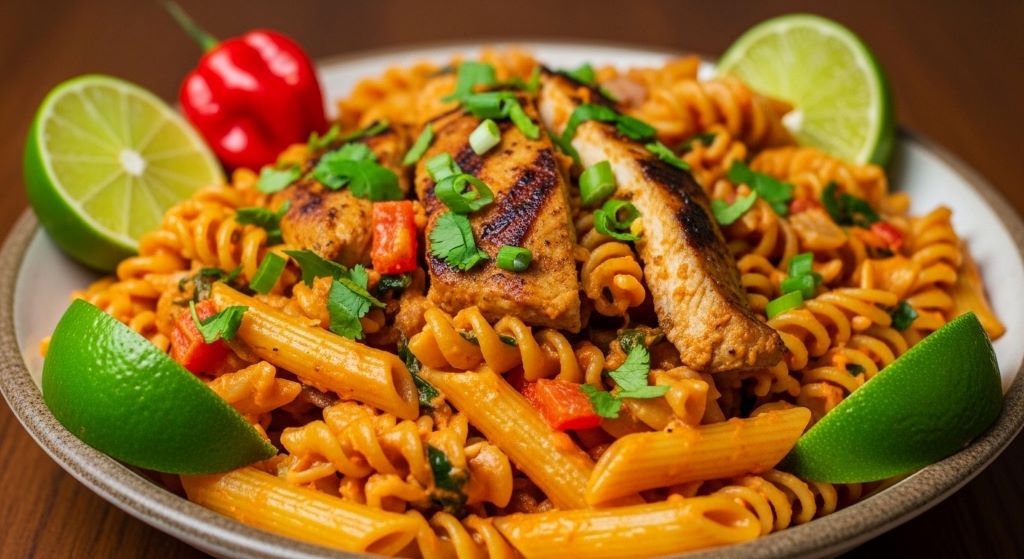
Slice the rested chicken and layer it on top of the pasta. Alternatively, toss it right into the skillet and mix it through. Either way works well. Taste the dish one final time and adjust the seasoning if needed.
Tips for the Best Rasta Pasta
Even a good recipe can go wrong without a few key tips. Here are some practices that will take your rasta pasta from good to genuinely outstanding.
- Use full-fat heavy cream for the richest sauce. Low-fat alternatives tend to produce a thinner, less satisfying result.
- Do not skip the parmesan. It adds depth and a subtle saltiness that ties the whole dish together.
- Toast your jerk spices briefly before adding liquids. This simple step unlocks a much deeper flavor.
- Let your protein rest before slicing. This keeps the juices inside and prevents dry, tough meat.
- Add a squeeze of fresh lime juice over the finished dish. The acidity lifts all the flavors and adds brightness.
Additionally, if you like extra heat, consider adding a few drops of scotch bonnet hot sauce right at the end. It gives the dish a fresh punch of spice without altering the sauce texture.
How to Make It Vegetarian or Vegan
Rasta pasta is wonderfully flexible. You can easily make it vegetarian by skipping the meat entirely. The dish is still hearty and satisfying thanks to the peppers, cream sauce, and pasta. Consider adding mushrooms or chickpeas for extra substance.
For a vegan version, replace the heavy cream with full-fat coconut milk. It adds a tropical richness that actually suits the Caribbean theme even better. Use nutritional yeast instead of parmesan to get a similar savory, cheesy quality. Also, swap the butter for coconut oil or extra olive oil.
The jerk seasoning in this recipe is naturally vegan, so you do not need to change that at all. Therefore, the vegan adaptation is quite straightforward and still delivers all the bold flavors the dish is known for.
What to Serve with Rasta Pasta
Rasta pasta is a complete meal on its own. However, pairing it with a few simple sides can elevate the dining experience. Here are some excellent options to consider.
- Fried plantains: Their natural sweetness balances the heat of the jerk seasoning perfectly.
- Jamaican festival bread: These slightly sweet fried dumplings are a classic Caribbean accompaniment.
- A crisp green salad: The freshness cuts through the richness of the cream sauce.
- Coconut rice: It adds another layer of Caribbean flavor and soaks up any extra sauce.
For drinks, a cold ginger beer or a fruit punch made with mango and pineapple juice pairs wonderfully with the bold spices of this dish.
How to Store and Reheat Leftovers
Rasta pasta stores well in the fridge for up to three days. Place it in an airtight container as soon as it cools down. The flavors actually deepen overnight, making leftovers taste even better the next day.
To reheat, add a splash of cream or broth to a skillet over low heat. Add the pasta and stir gently until it is warmed through. Avoid using the microwave if possible, as it can dry out the sauce and make the pasta mushy. However, if you are in a hurry, microwaving on medium power with a damp paper towel over the bowl can work reasonably well.
Rasta pasta does not freeze well due to the cream sauce, which can separate upon thawing. Therefore, it is best to enjoy it fresh or within a few days.
Conclusion
Rasta pasta is a celebration of Caribbean flavor that is both approachable and deeply satisfying. It takes the comfort of classic pasta and transforms it with the bold, smoky heat of jerk seasoning. The result is a dish that is colorful, aromatic, and impossible to forget.
In this guide, you learned what rasta pasta is and where it comes from. You discovered how to build a proper jerk seasoning from scratch and how to create a rich, flavorful cream sauce. Additionally, you explored tips for perfecting the dish, ways to adapt it for vegetarian and vegan diets, and the best sides to serve alongside it.
Now it is your turn. Gather your ingredients, fire up your skillet, and bring a taste of the Caribbean into your home kitchen. Once you make rasta pasta yourself, you will understand why it has earned such a devoted following around the world.
Frequently Asked Questions
1. What type of pasta works best for rasta pasta?
Penne is the most traditional choice because its tube shape captures the cream sauce beautifully. However, you can also use rigatoni or farfalle with great results. Avoid very thin pastas like spaghetti, as they do not hold the thick jerk cream sauce as well.
2. Can I use store-bought jerk seasoning instead of making my own?
Yes, store-bought jerk seasoning works fine and saves time. Look for a Jamaican brand for the most authentic flavor profile. However, homemade jerk seasoning allows you to control the heat and balance the spices exactly to your taste, so it is worth trying at least once.
3. Is rasta pasta very spicy?
It can be, depending on how much cayenne and scotch bonnet you use. The dish has a noticeable warmth, but you can easily adjust the heat level. Reduce the cayenne or omit the scotch bonnet entirely for a milder version. The jerk flavor will still come through thanks to the other spices like allspice, thyme, and cinnamon.
4. Can I make rasta pasta ahead of time for a dinner party?
You can prepare the jerk seasoning and marinate the protein a day ahead. You can also slice the peppers and refrigerate them. However, it is best to cook and assemble the final dish fresh. The cream sauce does not reheat as well in large batches, and freshly cooked pasta always has a better texture.
5. What is the difference between rasta pasta and regular jerk chicken pasta?
Rasta pasta is specifically defined by its three-color bell pepper combination, creamy jerk sauce, and cultural roots in Jamaican cuisine. Jerk chicken pasta is a broader term that can describe any pasta dish featuring jerk chicken. Rasta pasta is a specific version of that concept, with a signature look and flavor profile that has become iconic in Caribbean cooking.
Related Topics:
From Carbonara to Curry Pasta: The World’s Best-Loved Pasta Dishes
Fusion Favorites: How Countries Have Put Their Spin on Italian Pasta

Leave a Reply