
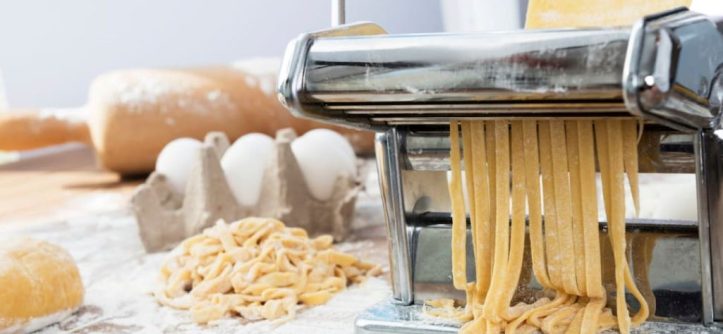
The aroma of fresh pasta dough filling the kitchen is one of life’s simple pleasures. There’s something magical about transforming a few basic ingredients into silky, golden sheets ready to be cut into fettuccine, tagliatelle, or ravioli. While stand mixers with pasta attachments are popular, a manual pasta machine offers unmatched control and precision.
I still remember the first time I used a manual pasta machine. It was a gift from my grandmother, who swore by its ability to create the perfect texture. At first, I struggled with uneven sheets and sticky dough, but once I learned the right techniques, I was hooked. If you’re looking for manual pasta machine tips, this guide will help you master the art of pasta making like a pro.
Why a Manual Pasta Machine Is a Game-Changer
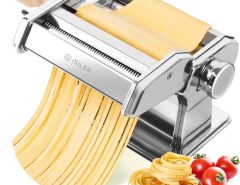
A manual pasta machine gives you complete control over the thickness and texture of your dough. Unlike electric models, which can sometimes overwork the dough, a manual machine allows you to feel the dough as it passes through the rollers. This tactile feedback helps you adjust the settings and technique in real time, ensuring perfect results every time.
According to a study by the Culinary Institute of America, fresh pasta made with a manual machine retains a better texture and flavor compared to store-bought or machine-extruded pasta. This is because the gradual rolling process develops the gluten just enough to create a tender yet firm bite. Additionally, manual machines are often more durable and easier to clean than their electric counterparts.
Another advantage is portability. Manual pasta machines are lightweight and don’t require electricity, making them perfect for small kitchens, camping trips, or even travel. They’re also more affordable, making them a great option for beginners or those who want to test the waters before investing in high-end equipment.
Essential Tools and Ingredients for Success
The Right Pasta Machine
Not all manual pasta machines are created equal. Look for one made from high-quality materials like stainless steel or heavy-duty aluminum. These machines are built to last and can handle frequent use without wearing out. Popular brands like Marcato, Imperia, and Philips offer reliable models that are favored by both home cooks and professional chefs.
The machine should have multiple thickness settings, typically ranging from 1 (thickest) to 9 or 10 (thinnest). This range allows you to create everything from thick lasagna sheets to paper-thin pasta for delicate dishes like angel hair. Some machines also come with cutting attachments for spaghetti, fettuccine, or tagliatelle, which can save you time and effort.
Quality Ingredients
The foundation of great pasta is high-quality ingredients. For classic egg pasta, you’ll need:
- 2 cups of “00” flour or all-purpose flour
- 3 large eggs
- A pinch of salt
“00” flour is the gold standard for pasta making because of its fine texture and low protein content, which creates a silky, tender dough. If you can’t find “00” flour, all-purpose flour works well too, though the texture may be slightly chewier. For flavored pasta, you can add ingredients like spinach puree, beetroot juice, or squid ink to the dough.
Additional Tools
In addition to the pasta machine, a few other tools can make the process smoother:
- A large, clean work surface for rolling and cutting
- A bench scraper or dough cutter for dividing and handling the dough
- A pasta drying rack or clean kitchen towel for resting the pasta
- A scale for measuring ingredients precisely
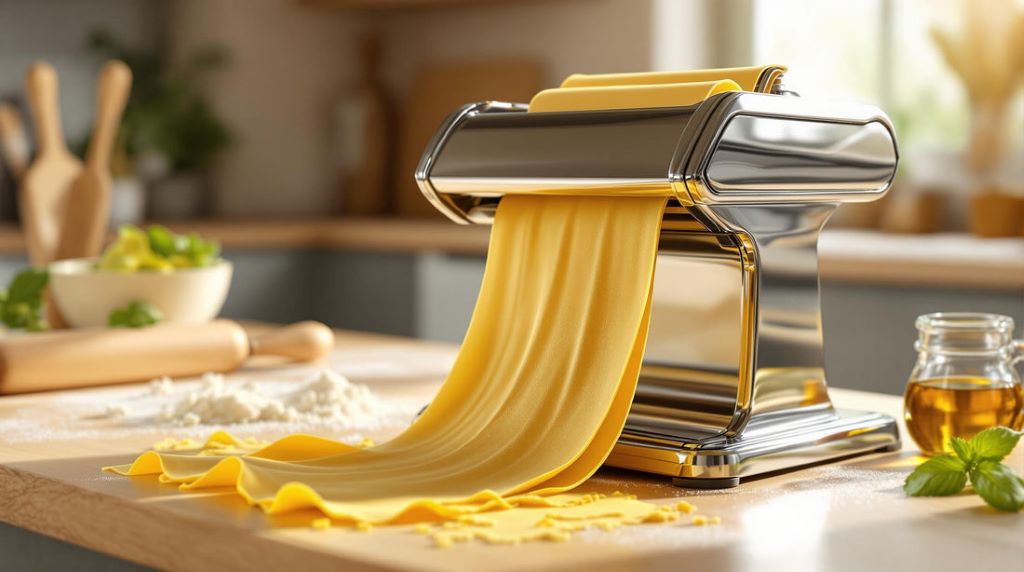
Step-by-Step Guide to Using a Manual Pasta Machine
Step 1: Prepare the Dough
Start by making your pasta dough. Place the flour in a mound on a clean surface and create a well in the center. Crack the eggs into the well and add a pinch of salt. Using a fork, gradually mix the eggs into the flour until a shaggy dough forms. Knead the dough for about 8–10 minutes until it becomes smooth and elastic.
If the dough feels too dry, add a teaspoon of water. If it’s too sticky, add a bit more flour. Once the dough is ready, wrap it in plastic wrap and let it rest for at least 30 minutes. This resting period allows the gluten to relax, making the dough easier to roll out.
Step 2: Set Up the Pasta Machine
Attach the pasta machine to a clean, sturdy surface. Most manual machines come with a clamp that allows you to secure it to a table or countertop. Ensure the machine is tightly secured to prevent it from wobbling or moving as you roll the dough.
Start with the widest setting (usually 1) and adjust the roller width according to your recipe. If your machine has a hand crank, make sure it turns smoothly before you begin.
Step 3: Roll Out the Dough
Cut the rested dough into smaller, manageable pieces—about the size of a golf ball. Flatten one piece with your hands and feed it through the pasta machine on the widest setting. Fold the dough in half and pass it through again, repeating this process 2–3 times to create a smooth, even sheet.
Gradually decrease the thickness setting and pass the dough through again, one notch at a time. Avoid skipping settings, as this can cause the dough to tear or stick. If the dough starts to stick, lightly dust it with flour, but avoid using too much, as it can make the pasta dry.
Step 4: Cut the Pasta
Once the dough is rolled to your desired thickness, it’s time to cut it. If your machine has a cutting attachment, feed the sheet through the cutter to create uniform strands of pasta. For shapes like fettuccine or tagliatelle, use the appropriate cutter.
If you don’t have a cutting attachment, you can cut the pasta by hand. Lay the sheet of dough on a floured surface and use a sharp knife or a pasta cutter to slice it into your desired shape. For ravioli, use a ravioli mold or cut the dough into squares, add filling, and seal the edges with a fork.
Step 5: Cook or Store the Pasta
Fresh pasta cooks much faster than dried pasta—usually in just 2–4 minutes. Bring a large pot of salted water to a boil and add the pasta. Stir occasionally to prevent sticking, and test for doneness by tasting a strand. Fresh pasta is ready when it floats to the surface and has a tender, slightly chewy texture.
If you’re not cooking the pasta immediately, you can store it in the refrigerator for up to 24 hours or freeze it for later use. To freeze, lay the pasta in a single layer on a baking sheet, freeze until solid, and then transfer to an airtight container. This prevents the pasta from sticking together.
Pro Tips for Perfect Pasta Every Time
Making pasta with a manual machine is an art, and a few pro tips can help you achieve the best results. First, always use room-temperature eggs and flour. Cold ingredients can make the dough harder to work with and may result in a less smooth texture.
Second, don’t rush the rolling process. Take your time to gradually thin the dough, passing it through each setting multiple times if needed. This ensures even thickness and prevents tearing.
Third, keep your work surface and dough lightly floured to prevent sticking. However, avoid using too much flour, as it can make the pasta dry and tough. If the dough starts to dry out while rolling, lightly brush it with water to restore elasticity.
Finally, experiment with flavors and shapes. You can add ingredients like herbs, spices, or vegetable purees to the dough for colored or flavored pasta. Just be sure to adjust the liquid content accordingly, as some additions may make the dough wetter or drier.
Common Mistakes to Avoid
One of the most common mistakes is using too much flour when kneading or rolling the dough. While it’s important to prevent sticking, adding too much flour can make the pasta dry and brittle. Start with the recommended amount of flour and add more only if the dough is too sticky to handle.
Another mistake is rolling the dough too thin on the first pass. Always start with the widest setting on your pasta machine and gradually decrease the thickness. Rolling the dough too thin too soon can cause it to tear or stick to the rollers.
Additionally, avoid overworking the dough. Kneading is essential for developing gluten, but over-kneading can make the pasta tough. Once the dough is smooth and elastic, stop kneading and let it rest.
Lastly, don’t forget to salt your pasta water. Salt enhances the flavor of the pasta and helps it cook evenly. Use about 1–2 tablespoons of salt per gallon of water.
Personal Experience: From Struggles to Success
When I first started using a manual pasta machine, I made every mistake in the book. I used too much flour, rolled the dough too thin too soon, and ended up with a sticky, uneven mess. But I didn’t give up. I watched tutorials, read articles, and practiced until I got the hang of it.
One of the biggest lessons I learned was the importance of patience. Rushing the process only led to frustration and subpar results. Once I slowed down and took my time, I started making pasta that was smooth, even, and delicious. Now, making pasta is one of my favorite kitchen activities. I love experimenting with different flavors and shapes, and my family always looks forward to fresh pasta night.
If you’re new to using a manual pasta machine, don’t be discouraged by the learning curve. With a little practice and the right techniques, you’ll be making pasta like a professional chef in no time.
Conclusion
Using a manual pasta machine like a professional chef is all about technique, patience, and practice. By following the steps outlined in this guide and avoiding common mistakes, you’ll be well on your way to creating perfect, restaurant-quality pasta at home.
If you’ve tried making pasta with a manual machine, share your favorite recipes or tips in the comments below. Or, if you’re new to pasta making, pass this guide along to a friend who might be interested in giving it a try. Here’s to many delicious, flour-covered adventures in your kitchen!
FAQs
Do I need a special flour to make pasta with a manual machine?
While all-purpose flour works well, “00” flour creates a smoother, more authentic texture. Whole wheat or alternative flours can also be used, but you may need to adjust the recipe.
Can I make gluten-free pasta with a manual pasta machine?
Yes, you can use gluten-free flour blends, but the texture and elasticity may differ from traditional pasta. You may need to experiment with different blends and add xanthan gum or eggs for better binding.
How do I clean my manual pasta machine?
Most manual pasta machines can be cleaned with a dry brush or cloth to remove excess flour and dough. Avoid using water, as it can cause rust or damage the machine. If necessary, use a damp cloth and dry the machine thoroughly afterward.
Can I use a manual pasta machine for other recipes?
Yes, you can use a manual pasta machine to roll out dough for dumplings, empanadas, or even pie crusts. It’s a versatile tool that can handle a variety of dough-based recipes.
How long does fresh pasta last in the refrigerator?
Fresh pasta can be stored in the refrigerator for up to 24 hours. For longer storage, freeze the pasta in a single layer before transferring it to an airtight container. It will keep in the freezer for up to 3 months.

Leave a Reply