
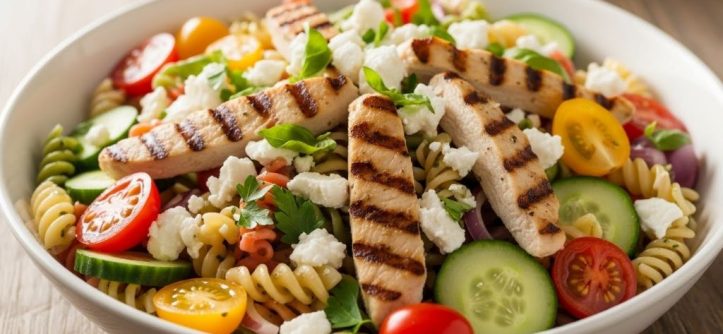
Recovery nutrition plays a crucial role in building strength and repairing muscle tissue after workouts. Additionally, choosing the right foods can make the difference between feeling energized and feeling depleted. High protein pasta salad offers a convenient solution that combines carbohydrates for energy replenishment with protein for muscle repair. Therefore, athletes and fitness enthusiasts are increasingly turning to this versatile meal option.
Why Protein Matters for Muscle Recovery
Protein provides the building blocks your muscles need after exercise. When you work out, tiny tears form in muscle fibers. However, this damage is actually beneficial because your body repairs these tears and builds stronger muscle in the process. Protein supplies the amino acids necessary for this repair work.
Research from the National Institutes of Health shows that consuming protein after exercise helps maximize muscle protein synthesis. Furthermore, timing matters. Many nutrition experts recommend eating protein within two hours of finishing your workout. This window allows your body to absorb nutrients most effectively.
The amount of protein you need depends on several factors. Body weight, workout intensity, and fitness goals all play a role. Generally, active individuals need between 1.2 to 2.0 grams of protein per kilogram of body weight daily. A high protein pasta salad can help you meet these requirements while also satisfying hunger.
Benefits of Pasta Salad for Athletes
Pasta salad offers unique advantages for recovery meals. First, it combines complex carbohydrates with protein in one dish. Carbohydrates replenish glycogen stores that become depleted during exercise. Meanwhile, protein supports muscle repair.
Additionally, pasta salad is incredibly versatile. You can prepare it ahead of time and store it in the refrigerator. This convenience factor makes meal planning easier for busy schedules. Moreover, cold pasta salad tastes refreshing after an intense workout.
The portability of pasta salad cannot be overstated. You can pack it in containers for gym bags or lunch boxes. Therefore, you always have a nutritious option available regardless of your location. This accessibility helps maintain consistent nutrition habits.
Temperature also matters. Cold meals often feel more appealing after exercise when body temperature is elevated. Pasta salad provides cooling refreshment while delivering essential nutrients.
Choosing the Right Pasta Base
Not all pasta provides equal nutritional value. Traditional white pasta offers carbohydrates but lacks significant protein. However, several high protein pasta options have emerged in recent years.
Chickpea pasta contains approximately 14 grams of protein per serving. This legume-based option also provides fiber and essential minerals. Furthermore, it has a mild flavor that works well with various dressings and ingredients.
Lentil pasta offers similar benefits with around 13 grams of protein per serving. Red lentil varieties cook quickly and maintain a firm texture. Additionally, they contain iron, which supports oxygen transport in blood.
Edamame pasta provides roughly 24 grams of protein per serving. Made from green soybeans, this option delivers complete protein with all essential amino acids. Moreover, it has a slightly nutty flavor that complements many recipes.
Whole wheat pasta represents a middle ground. While it contains less protein than legume-based options, it offers more fiber than white pasta. Therefore, mixing whole wheat pasta with additional protein sources creates a balanced meal.
Protein-Rich Add-Ins and Toppings
Maximizing protein content requires strategic ingredient selection. Grilled chicken breast provides lean protein with approximately 26 grams per 3-ounce serving. Additionally, chicken pairs well with numerous flavor profiles.
Hard-boiled eggs contribute 6 grams of protein each. They also add healthy fats and important vitamins. Furthermore, eggs are budget-friendly and easy to prepare in batches.
Canned tuna or salmon offers convenient protein options. A 3-ounce serving of tuna contains about 20 grams of protein. However, choose varieties packed in water rather than oil to control calorie content.
Greek yogurt makes an excellent dressing base. It contains twice the protein of regular yogurt with approximately 15 grams per 6-ounce serving. Moreover, its creamy texture eliminates the need for mayonnaise-based dressings.
Cottage cheese provides another protein-dense option. With around 14 grams per half-cup serving, it adds creaminess and tang. Therefore, mixing cottage cheese into your salad boosts protein significantly.
Beans and legumes offer plant-based protein. Black beans, kidney beans, and chickpeas each contain about 7-8 grams of protein per half-cup. Additionally, they provide fiber that supports digestive health.
Cheese adds flavor and protein. Feta cheese contains 4 grams per ounce, while mozzarella offers 6 grams. However, use cheese moderately to manage fat and calorie intake.
Vegetables for Nutrition and Flavor
Vegetables provide essential vitamins, minerals, and antioxidants. These nutrients support overall health and aid recovery processes. Furthermore, vegetables add color, texture, and flavor variety.
Cherry tomatoes offer vitamin C and lycopene. These compounds help reduce inflammation caused by exercise. Additionally, tomatoes add brightness and acidity to balance rich ingredients.
Bell peppers provide vitamin C in abundance. Red peppers contain even more than oranges. Moreover, their crunchy texture creates pleasant contrast with soft pasta.
Cucumbers add refreshing crunch with minimal calories. They also contain water that supports hydration. Therefore, cucumbers make pasta salad feel lighter and more refreshing.
Spinach or arugula contributes iron and folate. These leafy greens support energy production at the cellular level. Furthermore, they add earthy flavors that complement protein sources.
Red onions provide quercetin, an anti-inflammatory compound. However, soaking sliced onions in cold water for ten minutes reduces their sharpness. This technique makes them more palatable while maintaining benefits.
Broccoli florets add fiber and vitamin K. Blanching them briefly maintains crunch while improving digestibility. Additionally, broccoli pairs exceptionally well with cheese-based dressings.
Creating the Perfect Dressing
Dressing ties all ingredients together while adding flavor. According to Harvard Health Publishing, choosing healthy fats supports nutrient absorption. Therefore, olive oil-based dressings offer advantages over cream-based options.
A simple vinaigrette combines olive oil, vinegar, and seasonings. Use a three-to-one ratio of oil to vinegar. Additionally, Dijon mustard helps emulsify the mixture for better texture.
Greek yogurt dressing provides protein while maintaining creaminess. Mix Greek yogurt with lemon juice, garlic, and herbs. This combination creates tangy flavor without excessive calories.
Pesto offers concentrated flavor from basil, garlic, and pine nuts. While traditional pesto contains cheese, you can adjust recipes for different dietary needs. Furthermore, pesto provides healthy fats from nuts and olive oil.
Asian-inspired dressings work beautifully with edamame pasta. Combine sesame oil, rice vinegar, soy sauce, and ginger. This flavor profile complements both vegetables and protein sources.
Herb-based dressings brighten pasta salad naturally. Fresh herbs like parsley, cilantro, and dill add vibrant flavors. Moreover, they contain antioxidants that support recovery.
Sample High Protein Pasta Salad Recipe
Start with 8 ounces of chickpea or lentil pasta. Cook according to package directions until al dente. However, avoid overcooking as pasta will soften further when mixed with dressing.
Drain pasta and rinse with cold water. This stops the cooking process and prevents mushiness. Additionally, rinsing removes excess starch that can make salad gummy.
Combine pasta with 2 cups diced grilled chicken breast. Add 1 cup halved cherry tomatoes and 1 cup diced cucumber. Furthermore, include 1 cup chopped bell peppers in various colors.
Mix in half a cup of crumbled feta cheese. Add a quarter cup of sliced kalamata olives for briny flavor. Therefore, each bite offers different taste experiences.
Prepare dressing by whisking together 3 tablespoons olive oil with 2 tablespoons red wine vinegar. Add 1 teaspoon Dijon mustard and minced garlic. Season with salt, pepper, and dried oregano.
Pour dressing over salad and toss gently to combine. Refrigerate for at least 30 minutes before serving. This allows flavors to meld together beautifully.
This recipe provides approximately 35-40 grams of protein per serving. Additionally, it contains balanced carbohydrates and healthy fats for complete recovery nutrition.
Meal Prep Tips for Success
Preparing pasta salad in advance saves time throughout the week. However, certain strategies ensure optimal freshness and flavor. Planning ahead makes consistent nutrition effortless.
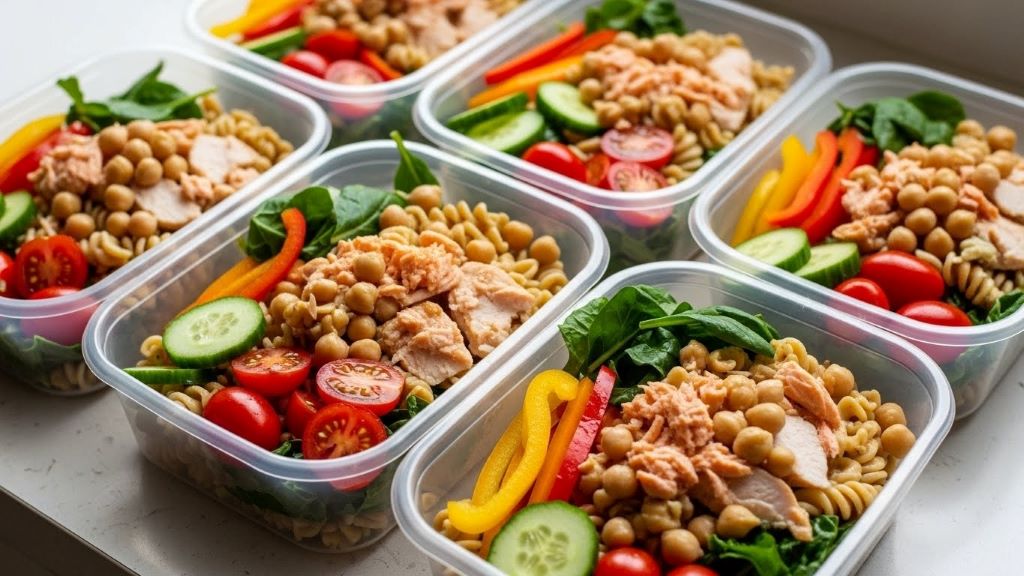
Cook pasta slightly firmer than usual if meal prepping. Pasta continues absorbing liquid from dressing and vegetables. Therefore, starting with firmer pasta prevents mushiness.
Store dressing separately until ready to eat. This technique keeps vegetables crisp and pasta from becoming soggy. Additionally, it allows you to adjust dressing amount for personal preference.
Portion salad into individual containers immediately after preparation. This approach controls serving sizes and makes grabbing meals convenient. Furthermore, proper portioning helps track nutritional intake accurately.
Keep pasta salad refrigerated at all times. Consume within 3-4 days for best quality and safety. However, salads containing seafood should be eaten within 2 days.
Add delicate ingredients like avocado just before eating. Some vegetables lose texture when stored too long. Therefore, keeping certain components separate maintains optimal quality.
Customizing for Dietary Preferences
Pasta salad adapts easily to various dietary needs. Vegetarians can emphasize plant-based proteins like beans and tofu. Additionally, nutritional yeast adds cheesy flavor with extra B vitamins.
Vegans can substitute Greek yogurt dressings with cashew cream. Blend soaked cashews with lemon juice and seasonings. This creates similar creaminess without dairy products.
Gluten-free individuals can choose rice-based or quinoa pasta. Many stores now carry gluten-free options with comparable protein content. Furthermore, these alternatives often contain additional fiber.
Those following low-carb diets can substitute pasta with spiralized vegetables. Zucchini noodles provide similar texture with fewer carbohydrates. However, add extra protein sources to compensate for reduced pasta.
People with nut allergies should avoid pesto or read labels carefully. Sunflower seed-based pestos offer safe alternatives. Additionally, tahini-based dressings provide similar richness.
Conclusion
High protein pasta salad delivers the perfect combination of nutrients for muscle recovery. It provides carbohydrates to restore energy, protein to repair tissue, and vegetables for essential vitamins and minerals. Additionally, its versatility allows endless customization based on taste preferences and dietary needs.
The convenience factor makes pasta salad ideal for busy lifestyles. You can prepare it in advance, store it easily, and transport it anywhere. Therefore, maintaining proper recovery nutrition becomes simpler and more sustainable.
By choosing protein-rich pasta varieties and adding strategic ingredients, you create meals that support your fitness goals. Furthermore, delicious flavors ensure you actually look forward to eating these nutritious meals. Start experimenting with different combinations to find your perfect high protein pasta salad recipe.
Frequently Asked Questions
How much protein should a recovery meal contain?
Most athletes benefit from consuming 20-30 grams of protein per recovery meal. This amount provides sufficient amino acids for muscle repair without overwhelming your digestive system. However, larger athletes or those doing very intense training may need slightly more.
Can I freeze pasta salad for later use?
Freezing pasta salad is not recommended. The texture of vegetables deteriorates significantly when frozen and thawed. Additionally, mayonnaise-based dressings can separate. Instead, prepare fresh batches every 3-4 days for optimal quality.
Is pasta salad better than a protein shake for recovery?
Both options have benefits. Pasta salad provides carbohydrates along with protein, supporting complete recovery. However, protein shakes digest faster and work well immediately after exercise. Consider using shakes right after workouts and pasta salad as a meal 1-2 hours later.
What is the best time to eat pasta salad after working out?
Aim to consume your high protein pasta salad within two hours after finishing exercise. This timing maximizes your body’s ability to absorb nutrients and begin repair processes. However, eating something is always better than nothing, even if timing is not perfect.
How can I increase protein content even more?
Add multiple protein sources to your pasta salad. Combine chicken with hard-boiled eggs and cheese. Additionally, use protein-enriched pasta varieties and Greek yogurt-based dressings. Some people also mix protein powder into dressings, though this can affect texture and flavor.
Related Topics:
How the USA Reinvented Pasta: From Mac And Cheese to Spaghetti and Meatballs
The Viral Sensation You Need in Your Life: Mastering the Art of Boursin Pasta

Leave a Reply