
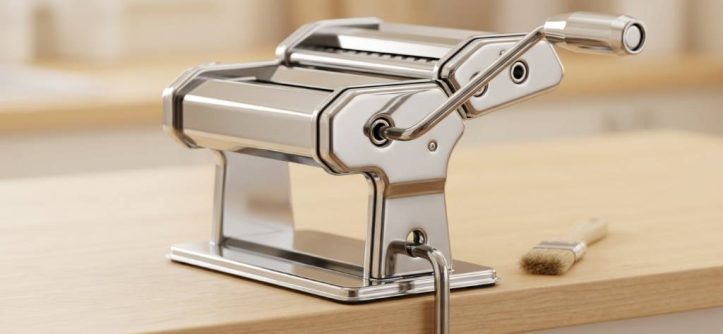
A well-maintained Manual Hand-Crank Pasta Maker lasts for decades. Over 60 percent of pasta maker owners report rust or squeaking within two years. Proper care prevents these issues and keeps your device running smoothly. Humidity and improper storage are the main culprits behind damage. This guide will show you how to protect your investment with simple steps.
Why Maintenance Matters for Manual Hand-Crank Pasta Makers
Rust forms when metal meets moisture for extended periods. Squeaking often signals a lack of lubrication or debris buildup. Both issues shorten the lifespan of your pasta maker. Regular maintenance ensures consistent performance and hygiene. It also saves you money on replacements or repairs.
Pasta makers in coastal areas face higher rust risks due to salt in the air. Dry climates may cause metal parts to expand and contract, leading to wear. Understanding your environment helps tailor your maintenance routine. Preventive care is always easier than fixing damage later. A few minutes of effort can extend your device’s life significantly.
Cleaning Your Manual Hand-Crank Pasta Maker
Always unplug or disassemble the pasta maker before cleaning. Use a dry brush to remove flour and dough residue from the rollers. Avoid water on metal parts to prevent rust formation. A damp cloth can wipe the exterior but never soak the machine. Dry all components thoroughly before reassembling.
For stubborn dough, use a plastic scraper to avoid scratching the surface. Never use abrasive pads or harsh chemicals on the rollers. These can damage the non-stick coating or metal finish. A soft toothbrush works well for tight spaces between gears. Store the pasta maker in a dry place after cleaning.
Preventing Rust on Metal Parts
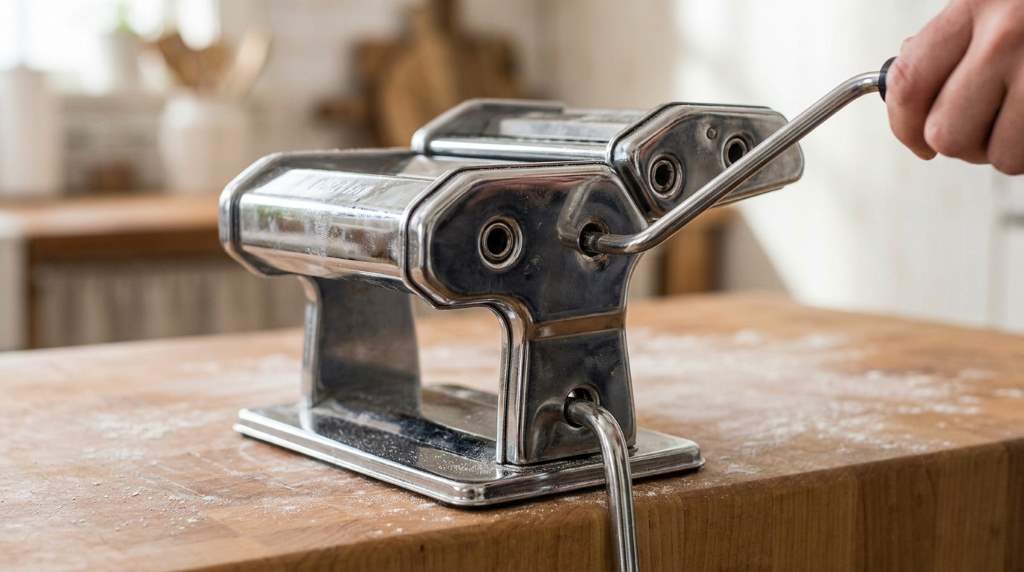
Rust is the biggest enemy of manual pasta makers. Apply a thin layer of food-safe mineral oil to metal parts after cleaning. This creates a protective barrier against moisture. Store the device in a cool, dry place away from direct sunlight. Avoid plastic bags, as they can trap moisture inside.
Silica gel packets can absorb excess moisture in storage areas. Check the pasta maker regularly for early signs of rust. If you spot any, gently sand the area and reapply oil immediately. For long-term storage, wrap the machine in a breathable cloth. This allows air circulation while keeping dust away.
Uncommon but Effective Rust Prevention: The Vinegar Trick
White vinegar can remove light rust from pasta maker parts. Soak the affected area in vinegar for 10 minutes, then scrub gently. Rinse with water and dry completely before oiling. This method works well for small spots but avoid overuse. Vinegar is acidic and can damage metal if left too long.
After using vinegar, always reapply a protective layer of oil. This restores the barrier against future rust formation. Test this method on a small area first to ensure compatibility. Not all metals react the same way to vinegar. This trick is a game-changer for reviving old or neglected pasta makers.
Lubricating to Stop Squeaking
Squeaking usually means the moving parts need lubrication. Use food-grade mineral oil or a specialized pasta maker lubricant. Apply a drop to the gears and crank mechanism. Turn the handle several times to distribute the oil evenly. Wipe off any excess to avoid contamination.
Avoid cooking oils as they can go rancid and attract dust. Reapply lubricant every few months or after deep cleaning. If squeaking persists, check for debris in the gears. A thorough cleaning may solve the issue without additional oil.
Proper Storage Techniques
Store your pasta maker in a dry, temperature-controlled environment. Avoid basements or attics where humidity fluctuates. Use a cotton or linen bag to protect it from dust. Never store it near the stove or sink. Heat and moisture accelerate rust and wear.
If storing for an extended period, disassemble the pasta maker if possible. Wrap each part in a soft cloth and place silica gel packets nearby. Reassemble and test the machine before use after long storage. This ensures all parts are in working order.
Regular Maintenance Schedule
Clean your pasta maker after every use to prevent dough buildup. Oil the metal parts every month if used frequently. Check for rust or wear every three months. Lubricate the gears and crank every six months. This schedule keeps your device in top condition.
For occasional users, a quarterly maintenance routine suffices. Always inspect the pasta maker before and after use. Address minor issues immediately to prevent major problems. A consistent routine extends the life of your pasta maker significantly.
Troubleshooting Common Issues
If the pasta maker jams, stop using it and check for dough stuck in the rollers. Never force the handle as this can damage the gears. Squeaking may also indicate misaligned parts. Tighten any loose screws or bolts. If the issue persists, consult the manufacturer’s guide.
Rust spots can be treated with fine sandpaper and oil. For severe rust, professional restoration may be needed. Avoid using the pasta maker if parts are heavily corroded. Safety should always come first. Replacement parts are often available for older models.
Climate-Specific Tips for Pasta Maker Care
In humid climates, increase the frequency of oil application. Use a dehumidifier in the storage area if possible. For dry climates, ensure the pasta maker is not exposed to direct sunlight. Extreme temperatures can warp metal parts over time. Adapt your care routine to your local weather conditions.
Coastal areas require extra vigilance due to salt air. Wipe down the pasta maker after each use to remove salt residue. Inland areas with hard water should also take precautions. Minerals in water can accelerate rust formation. Always use distilled water for cleaning if tap water is hard.
Conclusion
Maintaining your manual hand-crank pasta maker is simple but essential. Regular cleaning, oiling, and proper storage prevent rust and squeaking. A little effort ensures your device stays in perfect working condition. Follow these steps to enjoy fresh, homemade pasta for years to come.
Start today by inspecting your pasta maker and applying oil if needed. Share these tips with fellow pasta enthusiasts to spread the knowledge. Proper care turns a good pasta maker into a lifelong kitchen companion. Your future self will thank you for the effort.
FAQ
How often should I oil my pasta maker?
Oil the metal parts every month if used frequently or every three months for occasional use.
Can I use vegetable oil for lubrication?
No, vegetable oil can go rancid; always use food-grade mineral oil.
What is the best way to remove rust from a pasta maker?
Use white vinegar for light rust or fine sandpaper followed by oiling.
Should I disassemble my pasta maker for cleaning?
Disassemble if comfortable, but a dry brush and cloth work for most cleaning needs.
How do I store my pasta maker long-term?
Wrap it in a breathable cloth, add silica gel packets, and store in a dry place.

Leave a Reply