
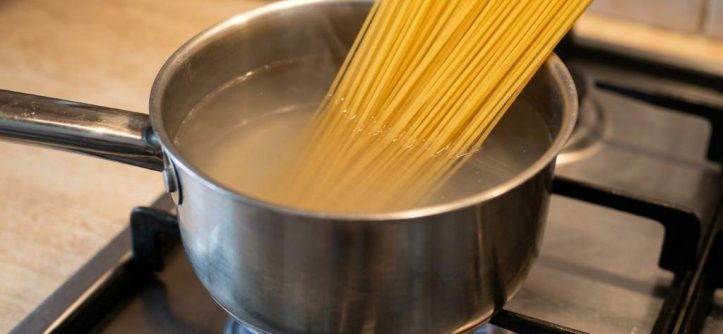
Cooking pasta seems simple until you face sticking or boiling over. Over 60 percent of home cooks report pasta sticking to pots at least once a month. The right cookware makes all the difference in achieving perfect pasta every time. Choosing the best cookware for pasta can transform your cooking experience. This guide will help you pick the best options for your kitchen.
Sticking and boiling over are common issues that ruin pasta dishes. Both problems often stem from using the wrong pot or pan. The material, size, and shape of your cookware play key roles in preventing these issues. With the right choices, you can cook pasta smoothly and efficiently.
Why Cookware Matters for Pasta
Pasta requires plenty of space to cook evenly and avoid clumping. A pot that is too small causes pasta to stick together. Non-stick surfaces can help but are not always the best solution. The material of the pot affects heat distribution and water circulation.
Stainless steel and enamel pots are popular for pasta cooking. They heat evenly and resist sticking when used correctly. Aluminum pots heat up quickly but may cause hot spots. Copper pots offer excellent heat control but require more maintenance.
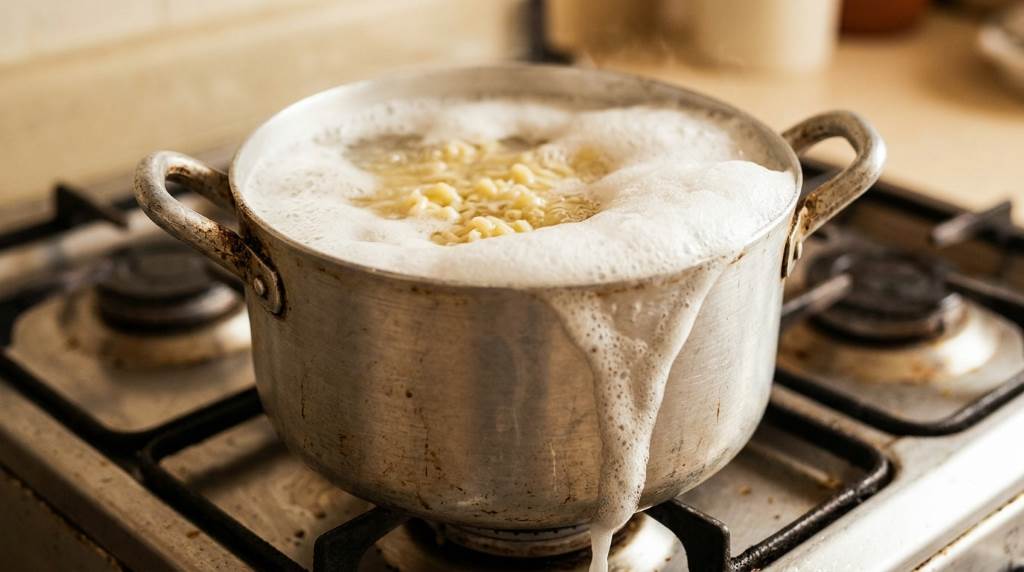
Boiling over happens when starch from pasta builds up at the surface. A wider pot reduces this risk by providing more surface area. The shape of the pot also influences how well the water circulates. Deeper pots are better for long pasta shapes like spaghetti.
Choosing the right cookware improves your pasta cooking results. It ensures even cooking and reduces the need for constant stirring. The right pot also makes cleanup easier after cooking.
Key Features to Look for in Pasta Cookware
Material
Stainless steel is durable and resists corrosion over time. It heats evenly and works well with all stove types. Enamel-coated cast iron is another great option for pasta. It retains heat well and prevents sticking effectively.
Aluminum is lightweight and heats up quickly but may react with acidic ingredients. Anodized aluminum solves this issue and provides a non-stick surface. Copper pots offer precise temperature control but need regular polishing.
Non-stick pots are easy to clean but may not last as long. They work best for small batches of pasta. Avoid using metal utensils with non-stick surfaces to prevent scratches.
Glass pots allow you to monitor cooking but may not conduct heat as well. They are best for electric stovetops. Ceramic pots are attractive but may chip over time.
Size and Capacity
A 5 to 6-quart pot is ideal for cooking one pound of pasta. Larger pots are better for cooking bigger batches or long pasta shapes. The pot should be wide enough to allow pasta to move freely.
Tall pots prevent water from splashing out during boiling. They are especially useful for cooking spaghetti or linguine. Wider pots reduce the risk of boiling over and allow better water circulation.
Consider the number of servings you typically cook at once. A family of four will need a larger pot than a single person. Always fill the pot with enough water to cover the pasta completely.
Overfilling a pot can lead to uneven cooking and sticking. Leave at least one inch of space at the top for water expansion. This also helps prevent boiling over when adding pasta.
Shape and Design
Round pots with straight sides are best for most pasta shapes. They provide even heat distribution and plenty of space. Wide and shallow pots work well for shorter pasta like penne or fusilli.
Pots with pour spouts make draining pasta easier and safer. They reduce the risk of spills and burns. Some pots come with built-in strainers for added convenience.
Heavy-bottomed pots prevent hot spots and ensure even cooking. They are especially important for gas stoves. Look for pots with thick bases for better heat retention.
Avoid pots with narrow openings as they limit water circulation. They also make it harder to stir pasta properly. Wide openings allow for better movement and even cooking.
Lid and Handle Design
A tight-fitting lid helps bring water to a boil faster. It also reduces energy use by retaining heat. Glass lids allow you to monitor cooking without lifting the lid.
Handles should stay cool to the touch during cooking. They should also be sturdy and easy to grip. Double handles provide better control when lifting heavy pots.
Some pots come with steam vents in the lid to prevent boiling over. These are useful for cooking pasta at high heat. Always check that the lid fits securely to avoid accidents.
Ergonomic handles improve comfort and safety in the kitchen. They should be heat-resistant and securely attached. Avoid pots with loose or wobbly handles.
Best Cookware Materials for Pasta
Stainless Steel
Stainless steel is a top choice for pasta cooking due to its durability. It does not react with acidic ingredients like tomatoes. It also resists rust and corrosion over time.
This material heats evenly and works with all stove types. It is also dishwasher safe for easy cleanup. Stainless steel pots often come with aluminum or copper cores for better heat distribution.
To prevent sticking, bring water to a full boil before adding pasta. Stir occasionally during cooking to keep pasta moving. Use plenty of water to ensure even cooking.
Stainless steel pots are long-lasting and retain their appearance. They are a great investment for serious home cooks. Look for pots with thick bases for better performance.
Enamel-Coated Cast Iron
Enamel-coated cast iron retains heat exceptionally well. It is ideal for cooking pasta at a steady temperature. The enamel coating prevents sticking and is easy to clean.
This material is heavy but provides excellent heat distribution. It works well for both stovetop and oven cooking. Enamel-coated pots are also resistant to rust and chipping.
They are available in a variety of colors to match your kitchen decor. The enamel surface does not require seasoning like traditional cast iron. It is also safe to use with metal utensils.
Enamel-coated cast iron is more expensive but lasts for years. It is a great choice for those who cook pasta frequently. Always preheat the pot gradually to avoid thermal shock.
Anodized Aluminum
Anodized aluminum is lightweight and heats up quickly. It is treated to prevent reactions with acidic foods. This makes it a safe choice for cooking pasta with tomato sauces.
It provides a non-stick surface without chemical coatings. Anodized aluminum is also scratch-resistant and durable. It is a budget-friendly option for pasta cooking.
This material is not compatible with induction cooktops. It works best with gas or electric stoves. Always hand wash anodized aluminum to maintain its finish.
Anodized aluminum pots are easy to handle and store. They are a practical choice for everyday cooking. Look for pots with thick bases for better heat retention.
Copper
Copper pots offer the best heat conductivity among cookware materials. They respond quickly to temperature changes. This makes them ideal for precise pasta cooking.
Copper pots are often lined with tin or stainless steel. The lining prevents reactions with food and makes cleanup easier. Copper pots require regular polishing to maintain their appearance.
They are more expensive and require more maintenance. Copper pots are best for those who value performance and aesthetics. Always use low to medium heat to avoid damaging the lining.
Copper pots add a touch of elegance to any kitchen. They are a favorite among professional chefs. Look for pots with thick copper bases for better heat distribution.
Unique Tips for Pasta Cooking Success
Use cold water to start cooking pasta for more even cooking. This prevents the outside from cooking too quickly. It also reduces the risk of sticking at the beginning.
Add a pinch of salt to the water to enhance pasta flavor. The salt also helps prevent sticking by increasing the boiling point. Wait until the water is boiling before adding salt.
Stir pasta frequently during the first few minutes of cooking. This prevents it from sticking to the bottom of the pot. Use a wooden spoon or silicone spatula to avoid scratching.
Avoid adding oil to the water as it can make pasta slippery. This prevents sauce from clinging to the pasta later. Instead, use plenty of water to prevent sticking.
Cook pasta al dente for the best texture and flavor. Start testing for doneness a minute or two before the package instructions. The pasta should be tender but still firm to the bite.
Save some pasta water before draining to use in sauces. The starchy water helps thicken and bind sauces. It also adds flavor to your pasta dishes.
Rinse pasta only if you are making a cold pasta salad. Otherwise, the starch on the pasta helps sauce cling better. Drain pasta well but do not rinse unless necessary.
Use a timer to avoid overcooking pasta. Overcooked pasta becomes mushy and loses its shape. Set the timer for one minute less than the package instructions and test.
Common Mistakes to Avoid
Using a pot that is too small for the amount of pasta is a common mistake. This leads to uneven cooking and sticking. Always use a pot large enough to accommodate the pasta and water.
Not using enough water can cause pasta to stick together. The general rule is to use four to six quarts of water per pound of pasta. This ensures there is enough room for the pasta to move freely.
Adding pasta to water that is not boiling can cause sticking. The water should be at a full rolling boil before adding pasta. This helps prevent the pasta from absorbing too much water too quickly.
Stirring pasta infrequently can lead to clumping and sticking. Stir pasta several times during the first few minutes of cooking. This is especially important for long pasta shapes like spaghetti.
Overcrowding the pot with too much pasta can cause uneven cooking. Cook pasta in batches if necessary to avoid overcrowding. This ensures each piece cooks evenly and does not stick together.
Using a pot with a thin base can cause hot spots and uneven cooking. Thin bases heat up quickly but do not distribute heat evenly. Invest in a pot with a thick, heavy base for better results.
Ignoring the pasta-to-water ratio can lead to sticking and poor texture. Always follow the recommended ratio for the best results. This ensures the pasta cooks evenly and does not absorb too much water.
Not salting the water enough can result in bland pasta. The water should taste slightly salty to properly season the pasta. Add salt gradually and taste as you go.
Climate-Specific Considerations
In humid climates, pasta may cook faster due to higher moisture levels. Reduce cooking time slightly to avoid overcooking. Use a timer to monitor cooking progress closely.
In dry climates, water evaporates more quickly during cooking. Use a tight-fitting lid to retain moisture and prevent boiling over. Check water levels periodically and add more if needed.
High-altitude cooking requires adjustments to pasta cooking times. Water boils at a lower temperature at higher altitudes. Increase cooking time by a few minutes to compensate.
In coastal areas, tap water may contain more minerals. This can affect pasta texture and cooking time. Use filtered water if your tap water has a strong taste or odor.
Extreme temperatures can affect stove performance and heat distribution. Adjust heat settings as needed to maintain a steady boil. Use a heavy-bottomed pot to prevent hot spots.
Maintenance and Care for Pasta Cookware
Always clean cookware thoroughly after each use to prevent buildup. Use mild soap and warm water for most materials. Avoid abrasive cleaners that can scratch surfaces.
Dry cookware completely before storing to prevent rust and corrosion. Store pots and pans in a dry, well-ventilated area. Use pot protectors to prevent scratches and dents.
For stainless steel, use a mixture of baking soda and water for tough stains. Avoid using steel wool or harsh scrubbers. For enamel-coated cast iron, avoid soaking for long periods.
Anodized aluminum should be hand washed to maintain its finish. Avoid using metal utensils that can scratch the surface. For copper, use a specialized cleaner to maintain its shine.
Regularly check handles and lids for loose screws or damage. Tighten screws as needed to ensure safety. Replace worn or damaged parts to extend the life of your cookware.
Conclusion
Choosing the right cookware for pasta makes a significant difference in your cooking. The right pot prevents sticking and boiling over while ensuring even cooking. Consider material, size, and design when selecting cookware for pasta.
Stainless steel and enamel-coated cast iron are excellent choices for durability and performance. Anodized aluminum and copper offer unique benefits for specific needs. Always follow best practices for cooking and maintenance.
Avoid common mistakes like using a pot that is too small or not using enough water. Stir pasta frequently and use plenty of water for the best results. With the right cookware and techniques, you can cook perfect pasta every time.
Start by evaluating your current cookware and consider upgrading if needed. Experiment with different materials and sizes to find what works best for you. Happy cooking and enjoy your perfectly cooked pasta dishes.
FAQs
What is the best material for cooking pasta?
Stainless steel is the best material for cooking pasta due to its durability and even heat distribution.
How much water should I use for cooking pasta?
Use four to six quarts of water per pound of pasta for the best results.
How can I prevent pasta from sticking to the pot?
Use plenty of water, stir frequently, and bring water to a full boil before adding pasta.
What size pot is best for cooking pasta?
A 5 to 6-quart pot is ideal for cooking one pound of pasta.
Can I use a non-stick pot for cooking pasta?
Yes, but avoid metal utensils and hand wash to maintain the non-stick surface.


Leave a Reply