
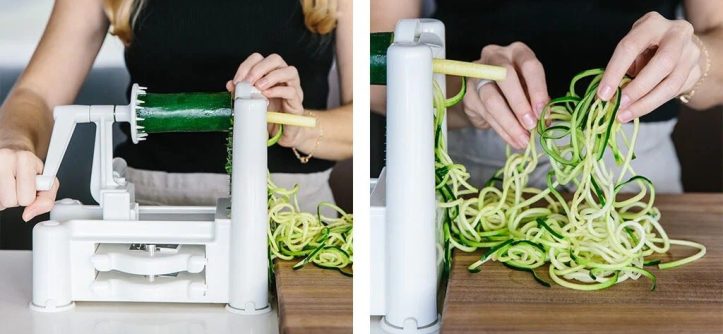
I still remember the first time I tried zucchini pasta. I was skeptical—how could a vegetable possibly replace my beloved spaghetti? But after one bite, I was hooked. The light, fresh flavor and satisfying texture made it an instant favorite. What started as a curious experiment turned into a staple in my kitchen. Zucchini pasta, or “zoodles,” is a delicious, low-carb alternative to traditional pasta that’s packed with nutrients and easy to make. All you need is a spiralizer tool to transform fresh zucchini into beautiful, pasta-like strands in minutes.
If you’re looking to cut carbs, add more veggies to your diet, or simply try something new, a zucchini pasta maker is a game-changer. According to a study published in the Journal of the Academy of Nutrition and Dietetics, increasing vegetable intake can lower the risk of chronic diseases like heart disease and diabetes. Zucchini pasta is a simple, tasty way to boost your veggie consumption without sacrificing flavor or satisfaction.
Why Zucchini Pasta Is a Healthy and Delicious Alternative
Zucchini pasta offers a host of benefits that make it a fantastic alternative to traditional pasta. For starters, it’s low in calories and carbs, making it a great option for those watching their weight or managing conditions like diabetes. A single cup of raw zucchini contains just 20 calories and 4 grams of carbohydrates, compared to the 220 calories and 43 grams of carbs in a cup of cooked spaghetti. This makes zucchini pasta an excellent choice for anyone looking to reduce their carb intake without giving up the joy of a hearty pasta dish.
Additionally, zucchini is rich in essential vitamins and minerals. It’s a great source of vitamin C, vitamin A, potassium, and folate, all of which play important roles in maintaining good health. Vitamin C, for example, supports a healthy immune system, while potassium helps regulate blood pressure. According to the USDA National Nutrient Database, zucchini also contains antioxidants like lutein and zeaxanthin, which are beneficial for eye health.
Another advantage of zucchini pasta is its versatility. You can enjoy it raw, lightly sautéed, or even baked, depending on your preference. It pairs well with a variety of sauces, from classic marinara to creamy Alfredo or pesto. Plus, it’s quick to prepare—spiralizing a zucchini takes just minutes, and cooking (if you choose to cook it) is even faster. This makes it a perfect option for busy weeknights when you want a healthy meal without spending hours in the kitchen.
Types of Spiralizer Tools for Making Zucchini Pasta
Not all spiralizers are created equal. The type you choose can impact the ease of use, the quality of your zoodles, and even the cleanup process. Here are the most common types of spiralizer tools available:
1. Handheld Spiralizers
Handheld spiralizers are compact, affordable, and easy to use. They typically feature a small, handheld device with a blade that you twist through the zucchini to create noodles. These are great for beginners or those with limited storage space. However, they can be a bit more labor-intensive, as you’ll need to apply pressure to push the zucchini through the blade.
Additionally, handheld spiralizers are best for smaller zucchinis, as larger ones may be difficult to maneuver. They’re also ideal for travel or small kitchens where counter space is limited.
2. Countertop Spiralizers
Countertop spiralizers are larger, more stable devices that sit on your countertop. They often come with multiple blade options, allowing you to create different shapes and sizes of noodles. These spiralizers are easier to use than handheld models, as they require less physical effort. They’re a great choice for those who plan to make zucchini pasta regularly.
Additionally, countertop spiralizers often come with suction cups or clamps to secure them to your counter, preventing slipping or movement during use. This makes them a safer and more efficient option for spiralizing larger quantities of zucchini.
3. Electric Spiralizers
Electric spiralizers are the most convenient option, as they do most of the work for you. Simply feed the zucchini into the machine, and it will spiralize it automatically. These models are ideal for those who want to save time and effort, especially if you’re making zucchini pasta for a large group or meal prepping for the week.
However, electric spiralizers tend to be more expensive than manual models. They also take up more space, so they may not be the best choice for small kitchens or those with limited storage.
4. Multi-Functional Spiralizers
Some spiralizers come with additional features, such as the ability to slice, shred, or julienne vegetables. These multi-functional models are versatile and can be used for a variety of kitchen tasks beyond making zucchini pasta. They’re a great choice for those who want to get the most out of their kitchen tools.
Additionally, multi-functional spiralizers often come with interchangeable blades, allowing you to customize the shape and size of your noodles. This can add variety to your meals and make your spiralizer a more valuable addition to your kitchen.
5. Attachment Spiralizers
Some stand mixers and food processors come with spiralizer attachments, allowing you to use your existing appliance to make zucchini pasta. These attachments are convenient and space-saving, as they eliminate the need for a separate spiralizer tool. They’re a great option for those who already own a compatible appliance and want to expand its functionality.
Additionally, attachment spiralizers often offer multiple blade options, giving you the flexibility to create different types of noodles. This can be especially useful if you enjoy experimenting with various shapes and textures in your cooking.
How to Choose the Right Zucchini for Spiralizing
Not all zucchinis are created equal when it comes to spiralizing. To get the best results, it’s important to choose the right zucchini for the job. Here’s what to look for:
1. Size Matters
When it comes to spiralizing, size does matter. Look for zucchinis that are medium to large in size, typically around 8 to 10 inches long and 2 to 3 inches in diameter. Smaller zucchinis can be difficult to spiralize, as they may not fit securely in the spiralizer. Larger zucchinis, on the other hand, can be more challenging to maneuver and may require trimming to fit in the device.
Additionally, consider the shape of the zucchini. Straight, uniform zucchinis are easier to spiralize than curved or irregularly shaped ones. This will help ensure even, consistent noodles.
2. Firmness
Choose zucchinis that are firm and fresh. Soft or overly ripe zucchinis can be difficult to spiralize and may result in mushy or uneven noodles. To test for firmness, gently squeeze the zucchini—it should feel solid and slightly resistant to pressure.
Additionally, look for zucchinis with smooth, unblemished skin. Avoid those with soft spots, bruises, or wrinkles, as these can indicate that the zucchini is past its prime.
3. Organic vs. Conventional
If possible, opt for organic zucchinis, especially if you plan to enjoy your zucchini pasta raw. Organic produce is grown without the use of synthetic pesticides and fertilizers, which can be beneficial for your health and the environment. However, conventional zucchinis are also a perfectly fine option, especially if you plan to cook your zoodles.
Additionally, consider the source of your zucchinis. Locally grown, in-season zucchinis are often fresher and more flavorful than those that have been shipped long distances. Visit your local farmers market or grocery store to find the best options for your needs.
4. Color
Zucchinis come in a variety of colors, from the classic green to yellow, white, and even striped varieties. The color of the zucchini doesn’t significantly impact its taste or texture, so feel free to choose based on your personal preference or the aesthetic you’re going for in your dish.
Additionally, consider the skin of the zucchini. Some varieties have thinner, more tender skin, while others have thicker, more robust skin. Thinner-skinned zucchinis are often better for raw applications, while thicker-skinned ones may hold up better to cooking.
5. Seasonality
Zucchini is a summer squash, and it’s typically in season from late spring to early fall. During this time, you’ll find an abundance of fresh, high-quality zucchinis at your local grocery store or farmers market. Off-season zucchinis may be less flavorful and more expensive, so consider freezing or preserving zucchini during the peak season to enjoy it year-round.
Additionally, in-season zucchinis are often more affordable and widely available, making it easier to incorporate zucchini pasta into your regular meal rotation.
Step-by-Step Guide to Making Zucchini Pasta with a Spiralizer
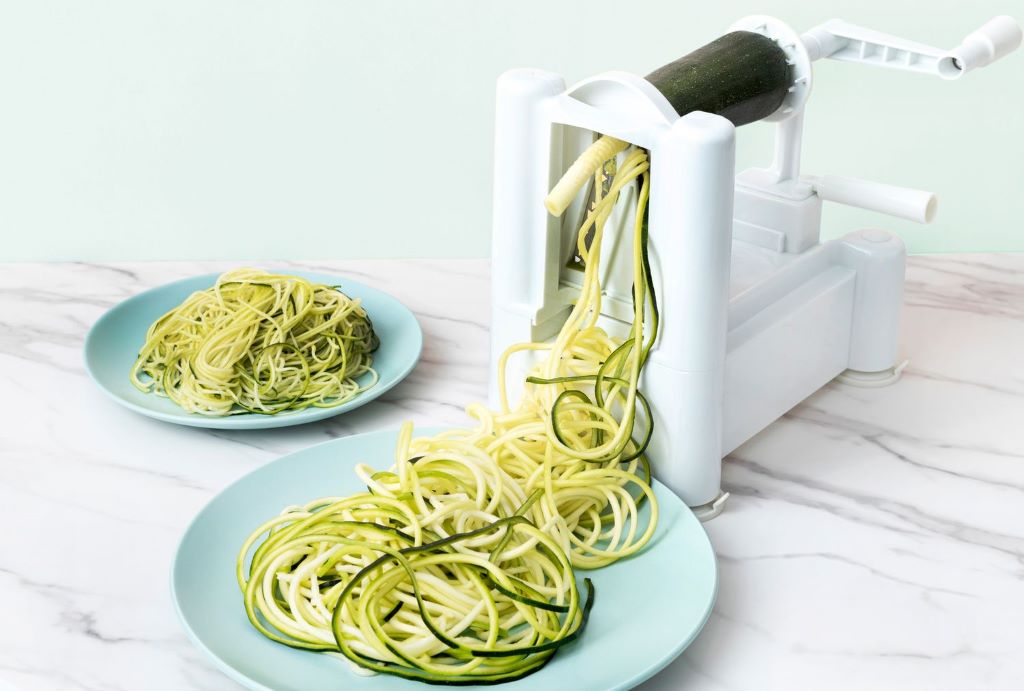
Making zucchini pasta with a spiralizer is a simple and rewarding process. Follow these steps to create perfect zoodles every time:
1. Prepare Your Zucchini
Start by washing your zucchini thoroughly under cold water to remove any dirt or debris. Pat it dry with a clean towel or paper towel. Next, trim off both ends of the zucchini using a sharp knife. This will create a flat surface that’s easier to work with in the spiralizer.
Additionally, consider peeling the zucchini if you prefer a more delicate texture or if the skin is particularly tough. However, the skin is edible and contains valuable nutrients, so leaving it on is perfectly fine for most people.
2. Set Up Your Spiralizer
Choose the blade that will create the type of noodles you desire. Most spiralizers come with multiple blade options, such as thin spaghetti-like strands or wider fettuccine-like ribbons. Secure the spiralizer to your countertop using suction cups or clamps, if applicable, to prevent it from slipping or moving during use.
Additionally, place a bowl or container at the end of the spiralizer to catch the zucchini noodles as they’re created. This will make cleanup easier and prevent a mess on your countertop.
3. Spiralize the Zucchini
Place the zucchini in the spiralizer, with the trimmed end facing the blade. Apply gentle, even pressure to push the zucchini through the blade, using the handle or crank if your spiralizer has one. Continue until you’ve spiralized the entire zucchini, stopping when you reach the core, which is too hard to spiralize.
Additionally, be mindful of your fingers and keep them away from the blade to avoid injury. If you’re using a handheld spiralizer, use a cutting glove or a towel to grip the zucchini securely and protect your hands.
4. Trim the Zoodles
Once you’ve spiralized the zucchini, you’ll be left with a core that can’t be spiralized. Use a knife to trim this core into small pieces, or save it for another use, such as adding it to soups or stews. You can also trim the zucchini noodles to your desired length using kitchen shears or a knife.
Additionally, inspect the zoodles for any uneven or overly thick pieces. If necessary, use a knife to trim these down to a consistent size.
5. Cook or Serve
Zucchini pasta can be enjoyed raw or cooked, depending on your preference. If you prefer raw zoodles, simply rinse them under cold water to remove any excess starch and pat them dry with a paper towel. This can help improve their texture and make them more palatable.
If you prefer cooked zoodles, you can sauté them in a pan with a little olive oil for 1-2 minutes, just until they’re tender but still slightly crisp. Avoid overcooking, as this can make the zoodles mushy and lose their pasta-like texture.
Tips for Cooking and Serving Zucchini Pasta
Once you’ve mastered the art of spiralizing zucchini, it’s time to get creative with cooking and serving your zoodles. Here are some tips to help you make the most of your zucchini pasta:
1. Keep It Simple
Zucchini pasta has a delicate flavor that pairs well with a variety of sauces and toppings. For a simple, classic dish, toss your zoodles with olive oil, garlic, salt, and pepper. This allows the natural flavor of the zucchini to shine while still providing a satisfying, pasta-like experience.
Additionally, consider adding fresh herbs like basil, parsley, or cilantro for an extra burst of flavor. A squeeze of lemon juice can also brighten up the dish and enhance the zucchini’s natural freshness.
2. Experiment with Sauces
Zucchini pasta is incredibly versatile and can be paired with a wide range of sauces. Here are some ideas to get you started:
- Marinara sauce: A classic choice that pairs beautifully with zoodles. Choose a high-quality, low-sugar sauce for the best flavor.
- Pesto: A fresh, herby pesto can complement the light flavor of zucchini pasta. You can use store-bought pesto or make your own with basil, garlic, pine nuts, and olive oil.
- Alfredo sauce: A creamy Alfredo sauce can add richness and depth to your zoodles. Opt for a lighter version to keep the dish from becoming too heavy.
- Asian-inspired sauces: Try tossing your zucchini pasta with a peanut sauce, teriyaki sauce, or a spicy sriracha sauce for an Asian-inspired twist.
Additionally, consider the texture of your sauce. Thicker sauces, like Alfredo or pesto, can cling better to zoodles, while thinner sauces, like marinara, may require a bit more tossing to coat the noodles evenly.
3. Add Protein
To make your zucchini pasta a more filling and balanced meal, consider adding a source of protein. Grilled chicken, shrimp, or tofu are all excellent options that pair well with zoodles. You can also add beans, lentils, or chickpeas for a plant-based protein boost.
Additionally, consider the cooking method for your protein. Grilled, baked, or sautéed proteins can add extra flavor and texture to your dish, while also keeping it healthy and nutritious.
4. Incorporate Veggies
Zucchini pasta is a great way to incorporate more vegetables into your diet. In addition to zucchini, consider adding other spiralized veggies, such as carrots, sweet potatoes, or beets. You can also mix in other vegetables, like bell peppers, mushrooms, or spinach, to create a colorful and nutrient-packed dish.
Additionally, consider the cooking method for your additional veggies. Some vegetables, like bell peppers and mushrooms, can be sautéed alongside your zoodles. Others, like spinach or arugula, can be added raw at the end for a fresh, crisp texture.
5. Try Different Cooking Methods
Zucchini pasta can be enjoyed in a variety of ways, depending on your preference and the dish you’re making. Here are some cooking methods to try:
- Raw: Enjoy your zoodles raw for a fresh, crisp texture. This is a great option for salads or light, refreshing dishes.
- Sautéed: Lightly sauté your zoodles in a pan with a little olive oil for 1-2 minutes, just until they’re tender but still slightly crisp. This is a great option for warm, hearty dishes.
- Baked: Toss your zoodles with your favorite sauce and toppings, then bake them in the oven for a warm, comforting casserole-style dish.
- Grilled: Thread your zoodles onto skewers and grill them for a unique, smoky flavor. This is a great option for summer cookouts or outdoor dining.
Additionally, consider the texture you’re going for. Raw or lightly sautéed zoodles will have a crisp, pasta-like texture, while baked or grilled zoodles may be softer and more tender.
Common Mistakes to Avoid When Making Zucchini Pasta
Even with the best intentions, it’s easy to make mistakes when making zucchini pasta. Here are some common pitfalls to avoid:
1. Choosing the Wrong Zucchini
Not all zucchinis are created equal when it comes to spiralizing. Avoid zucchinis that are too small, too soft, or irregularly shaped, as these can be difficult to spiralize and may result in uneven or mushy noodles. Instead, opt for medium to large, firm, and straight zucchinis for the best results.
Additionally, consider the variety of zucchini. Some varieties have thinner, more tender skin, while others have thicker, more robust skin. Choose the variety that best suits your intended use, whether you plan to enjoy your zoodles raw or cooked.
2. Not Preparing the Zucchini Properly
Failing to prepare your zucchini properly can result in uneven or difficult-to-spiralize noodles. Always wash and dry your zucchini thoroughly before spiralizing, and trim off both ends to create a flat surface. Additionally, consider peeling the zucchini if you prefer a more delicate texture or if the skin is particularly tough.
Additionally, be mindful of the core. The core of the zucchini is too hard to spiralize, so you’ll need to stop when you reach it. Use a knife to trim the core into small pieces, or save it for another use.
3. Using a Dull Blade
A dull blade can make spiralizing difficult and result in uneven or jagged noodles. Always use a sharp, high-quality blade in your spiralizer, and replace it if it becomes dull or damaged. Additionally, clean the blade thoroughly after each use to prevent buildup or corrosion.
Additionally, consider the type of blade you’re using. Different blades create different shapes and sizes of noodles, so choose the one that best suits your intended dish.
4. Overcooking the Zoodles
Zucchini pasta cooks much faster than traditional pasta, and overcooking can result in mushy, unappetizing noodles. If you prefer cooked zoodles, sauté them in a pan with a little olive oil for just 1-2 minutes, just until they’re tender but still slightly crisp. Avoid boiling zoodles, as this can make them waterlogged and lose their texture.
Additionally, consider the sauce you’re using. Thicker sauces, like Alfredo or pesto, can cling better to zoodles, while thinner sauces, like marinara, may require a bit more tossing to coat the noodles evenly.
5. Not Drying the Zoodles Properly
If you plan to enjoy your zucchini pasta raw, it’s important to dry the zoodles properly after spiralizing. Excess moisture can make the noodles soggy and dilute the flavor of your dish. After spiralizing, rinse the zoodles under cold water to remove any excess starch, then pat them dry with a paper towel or clean kitchen towel.
Additionally, consider salting the zoodles and letting them sit for a few minutes to draw out excess moisture. This can help improve their texture and make them more palatable, especially if you plan to enjoy them raw.
The Health Benefits of Zucchini Pasta
Zucchini pasta isn’t just a delicious alternative to traditional pasta—it’s also packed with health benefits. Here’s how incorporating zoodles into your diet can improve your well-being:
1. Low in Calories and Carbs
One of the biggest benefits of zucchini pasta is its low calorie and carb content. A single cup of raw zucchini contains just 20 calories and 4 grams of carbohydrates, compared to the 220 calories and 43 grams of carbs in a cup of cooked spaghetti. This makes zucchini pasta an excellent choice for anyone looking to reduce their calorie or carb intake, whether for weight management or other health reasons.
Additionally, the low carb content of zucchini pasta makes it a great option for those following low-carb or ketogenic diets. These diets have been shown to have a variety of health benefits, including improved blood sugar control, reduced triglycerides, and increased HDL (good) cholesterol levels.
2. Rich in Nutrients
Zucchini is packed with essential vitamins and minerals that are important for maintaining good health. It’s a great source of vitamin C, which supports a healthy immune system, and vitamin A, which is important for vision and skin health. Zucchini also contains potassium, which helps regulate blood pressure, and folate, which is essential for cell growth and development.
Additionally, zucchini contains antioxidants like lutein and zeaxanthin, which are beneficial for eye health and may help reduce the risk of chronic diseases like heart disease and certain cancers.
3. High in Fiber
Fiber is an important nutrient that supports digestive health, helps regulate blood sugar levels, and can aid in weight management. A single cup of raw zucchini contains about 1.5 grams of fiber, which can contribute to your daily fiber intake. Increasing your fiber intake can help promote regularity, prevent constipation, and support a healthy gut microbiome.
Additionally, fiber can help you feel full and satisfied after meals, which may aid in weight management by reducing the likelihood of overeating.
4. Hydrating
Zucchini has a high water content, with about 95% of its weight coming from water. This makes it a hydrating food that can help support overall health and well-being. Staying hydrated is important for a variety of bodily functions, including temperature regulation, joint lubrication, and nutrient transportation.
Additionally, the high water content of zucchini can help promote a feeling of fullness, which may aid in weight management by reducing the likelihood of overeating.
5. Versatile and Easy to Incorporate
One of the greatest benefits of zucchini pasta is its versatility. It can be enjoyed raw, cooked, or incorporated into a variety of dishes, making it easy to add more vegetables to your diet. Whether you’re looking to cut carbs, increase your veggie intake, or simply try something new, zucchini pasta is a simple and delicious way to achieve your goals.
Additionally, zucchini pasta is quick and easy to prepare, making it a perfect option for busy weeknights or meal prepping. With just a few minutes of spiralizing, you can create a healthy, satisfying meal that the whole family will love.
Conclusion
Zucchini pasta is a delicious, healthy, and versatile alternative to traditional pasta that’s easy to make with a spiralizer tool. By choosing the right zucchini, using the proper technique, and getting creative with your cooking and serving methods, you can enjoy a satisfying, low-carb meal that’s packed with nutrients. Whether you’re looking to cut carbs, add more veggies to your diet, or simply try something new, zucchini pasta is a game-changer.
Remember, the best zucchini pasta is the one that fits your specific tastes and preferences. Don’t be afraid to experiment with different types of zucchini, spiralizer tools, and cooking methods to find what works best for you. With a little practice and creativity, you can make zucchini pasta a staple in your kitchen.
Have you tried making zucchini pasta with a spiralizer? Share your favorite recipes, tips, or spiralizer recommendations in the comments below! If you found this article helpful, don’t forget to share it with your friends and family. Here’s to delicious, healthy, and satisfying meals!
FAQs
What is a spiralizer tool?
A spiralizer tool is a kitchen gadget that cuts vegetables into long, thin strands resembling pasta. It comes in various forms, including handheld, countertop, and electric models, and can be used to create zucchini pasta, as well as other vegetable noodles.
How do I choose the right spiralizer for making zucchini pasta?
Consider factors like ease of use, cleanup, storage, and the types of noodles you want to create. Handheld spiralizers are compact and affordable, while countertop and electric models offer more stability and convenience. Choose the one that best fits your needs and budget.
Can I eat zucchini pasta raw?
Yes, zucchini pasta can be enjoyed raw. Simply rinse the zoodles under cold water to remove excess starch and pat them dry with a paper towel. This can help improve their texture and make them more palatable.
How do I store zucchini pasta?
Use up and down arrow keys to resize the meta box pane.
Use up and down arrow keys to resize the meta box pane.
Zucchini pasta is best enjoyed fresh, but you can store it in the refrigerator for up to 2-3 days. Place the zoodles in an airtight container with a paper towel to absorb excess moisture. Avoid freezing zucchini pasta, as this can make it mushy and unappetizing.
What are some easy zucchini pasta recipes for beginners?
For beginners, try simple recipes like zucchini pasta with olive oil, garlic, and Parmesan cheese, or toss zoodles with your favorite marinara sauce and fresh basil. You can also experiment with different proteins, veggies, and sauces to create a variety of delicious and healthy dishes.

Leave a Reply