
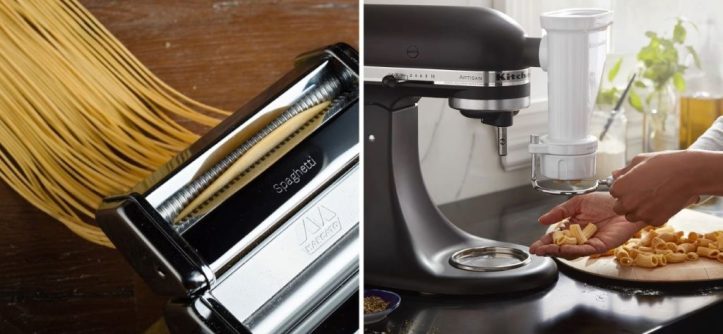
Picture this: you’re standing in the grocery aisle, reaching for another box of dried pasta, when you realize there’s a better way. Making fresh pasta at home isn’t just for professional chefs anymore. With the right pasta maker, you can transform simple ingredients into restaurant-quality noodles in your own kitchen. These innovative machines have revolutionized home cooking, offering convenience and authenticity that dried alternatives simply cannot match. Additionally, fresh pasta provides superior taste, texture, and nutritional value. Therefore, investing in a quality pasta maker opens up endless culinary possibilities while saving money in the long run.
Why Choose Fresh Pasta Over Store-Bought Dried Options
Fresh pasta delivers an unmatched eating experience that transforms ordinary meals into extraordinary dining occasions. The texture alone sets it apart from its dried counterparts, offering a tender bite that perfectly holds sauces and seasonings.
However, the benefits extend far beyond taste. Fresh pasta cooks faster, typically requiring only 2-3 minutes in boiling water compared to 8-12 minutes for dried varieties. This time-saving advantage makes weeknight dinners more manageable for busy families.
Furthermore, homemade pasta contains no preservatives or artificial additives. You control every ingredient, ensuring a healthier meal for your loved ones. The cost savings also add up quickly, as a single batch of fresh pasta costs approximately 70% less than purchasing equivalent dried products from premium brands.

Essential Features to Look for in Quality Pasta Making Equipment
Understanding key features helps you select the perfect pasta maker for your specific needs and cooking style. Motor power stands as the most critical factor, with models ranging from 100 to 600 watts affecting both performance and durability.
Additionally, consider the variety of pasta shapes available with each machine. Top-rated models typically include multiple dies for creating different noodle types, from classic spaghetti to unique shapes like fusilli and penne.
Construction materials significantly impact longevity and food safety. Stainless steel components resist corrosion and maintain hygiene standards, while plastic parts should be BPA-free. Therefore, investing in quality materials ensures years of reliable pasta production and safer food preparation.
Top Five Global Best-Selling Pasta Makers Worth Considering
Philips Premium Collection Pasta and Noodle Maker
This innovative machine leads the market with its fully automated pasta production system. The built-in weighing scale eliminates guesswork, while the automatic mixing and kneading function produces consistent results every time.
Moreover, it includes eight different shaping discs for creating various pasta types. The 200-watt motor handles even tough dough mixtures effortlessly. Users consistently praise its reliability and the professional-quality results it delivers.
The compact design fits most kitchen countertops without overwhelming smaller spaces. Additionally, the dishwasher-safe components make cleanup simple and convenient for busy home cooks.
Marcato Atlas 150 Wellness Manual Pasta Machine
Italian craftsmanship meets modern functionality in this beloved manual pasta maker. The adjustable thickness settings allow precise control over pasta consistency, from paper-thin sheets to hearty noodles.
However, this machine requires manual operation, which some users find therapeutic and engaging. The chrome-plated steel construction ensures decades of reliable service with proper maintenance.
Furthermore, optional attachments expand its versatility beyond basic pasta shapes. The clamp system secures firmly to most work surfaces, providing stability during operation. Therefore, this model appeals to traditionalists who enjoy hands-on cooking experiences.
KitchenAid Pasta Roller and Cutter Set
Designed specifically for KitchenAid stand mixers, this attachment transforms your existing appliance into a powerful pasta production center. The three-piece set includes a roller and two cutters for fettuccine and angel hair pasta.
Additionally, the stainless steel construction matches KitchenAid’s quality standards. The gear-driven mechanism ensures smooth operation and consistent results with every use.
Moreover, the attachment stores compactly when not in use. Users appreciate how it leverages their existing mixer investment while expanding culinary capabilities significantly.
Imperia Restaurant Manual Pasta Machine
Professional restaurants worldwide trust this Italian-made machine for consistent pasta production. The adjustable rollers create uniform thickness across the entire pasta sheet, ensuring even cooking results.
However, the manual operation requires some physical effort, particularly with stiffer dough mixtures. The chrome-plated steel components resist wear and maintain their appearance over years of heavy use.
Furthermore, the wide 150mm rollers accommodate larger batch sizes efficiently. Therefore, this model suits serious home cooks who frequently prepare pasta for large gatherings or meal prep sessions.
Gourmia GPM9980 Electric Pasta Maker
This affordable electric option provides excellent value for budget-conscious consumers. The 300-watt motor handles various dough types while maintaining consistent mixing and kneading action.
Additionally, it includes multiple pasta dies for creating different shapes and sizes. The compact footprint suits smaller kitchens without sacrificing functionality or performance.
Moreover, the automatic shut-off feature prevents overheating and extends motor life. Users consistently rate its ease of use and reliable performance across various pasta recipes.
Health Benefits of Making Fresh Pasta at Home
Creating pasta from scratch provides numerous health advantages over purchasing processed alternatives. You control every ingredient, eliminating unwanted preservatives, artificial colors, and excessive sodium levels commonly found in commercial products.
However, the nutritional benefits extend beyond ingredient control. Fresh pasta typically contains more protein and fewer refined carbohydrates than mass-produced varieties. The shorter cooking time also helps preserve heat-sensitive vitamins and minerals.
Furthermore, homemade pasta allows dietary customization for specific health needs. Gluten-free flours, vegetable-based doughs, and protein-enriched recipes become possible with the right equipment. Therefore, families with food allergies or dietary restrictions benefit significantly from fresh pasta preparation.
Cost Analysis: Fresh Pasta Makers Versus Buying Dried Products
The initial investment in a quality pasta maker pays dividends through long-term savings and improved meal quality. A premium electric model typically costs between $150-$400, while manual machines range from $50-$150.
Additionally, ingredient costs for homemade pasta average $0.50-$1.00 per serving compared to $1.50-$3.00 for premium dried alternatives. Families consuming pasta twice weekly save approximately $200-$400 annually with fresh preparation.
Moreover, the versatility of pasta makers extends to other dough-based foods like ravioli, dumplings, and even crackers. Therefore, the equipment investment provides value beyond basic pasta production, enhancing overall kitchen capabilities.
Professional Tips for Getting Maximum Performance from Your Pasta Equipment
Proper preparation ensures optimal results from any pasta making device. Always use room temperature eggs and measure ingredients precisely for consistent dough texture and flavor development.
However, flour selection significantly impacts final results. High-protein bread flour creates chewier textures, while all-purpose flour produces more tender pasta. Experimenting with different flour combinations helps achieve your preferred consistency.
Furthermore, allowing dough to rest for 30 minutes before processing improves elasticity and reduces tearing. Therefore, patience during preparation translates to superior finished products and fewer frustrating mishaps.
Common Mistakes People Make When Using Pasta Making Machines
Many beginners add too much flour during processing, resulting in dry, crumbly pasta that lacks proper texture. The dough should feel slightly sticky before rolling to achieve optimal results.
Additionally, rushing the process leads to uneven thickness and irregular shapes. Taking time to adjust settings gradually produces more professional-looking results. Proper cleaning after each use prevents dough buildup that affects future performance.
Moreover, overworking the dough creates tough, chewy pasta instead of the desired tender texture. Therefore, understanding when to stop processing prevents common textural problems that discourage new pasta makers.
Maintenance and Care Guidelines for Long-Lasting Equipment Performance
Regular maintenance extends pasta maker lifespan while ensuring food safety and optimal performance. Clean all removable parts immediately after use to prevent dough residue from hardening and becoming difficult to remove.
However, avoid submerging electric components in water. Use damp cloths for exterior cleaning and ensure complete drying before storage. Lubricate moving parts according to manufacturer specifications to prevent wear and maintain smooth operation.
Furthermore, store equipment in dry locations to prevent rust and corrosion. Therefore, proper care protects your investment while maintaining the hygienic conditions necessary for safe food preparation.

Personal Experience: My Journey with Fresh Pasta Making
Three years ago, I purchased my first pasta maker after growing tired of expensive store-bought alternatives. Initially, I struggled with dough consistency and often produced irregular shapes that frustrated my family.
However, persistence and practice transformed my pasta-making skills dramatically. Now, our weekly pasta nights feature fresh linguine, fettuccine, and ravioli that rival local restaurant quality. The satisfaction of creating restaurant-quality meals at home cannot be overstated.
Moreover, my children now participate in pasta preparation, creating family bonding opportunities while teaching valuable cooking skills. Therefore, the pasta maker investment enriched our family life beyond simple meal preparation.
Conclusion
Transitioning from dried pasta to fresh homemade alternatives revolutionizes your culinary experience while providing significant health and financial benefits. The global best-selling pasta makers featured in this guide offer proven performance, durability, and versatility for home cooks at every skill level.
Therefore, whether you choose an electric model for convenience or a manual machine for traditional preparation, investing in quality pasta-making equipment transforms ordinary meals into extraordinary dining experiences. The combination of superior taste, nutritional control, and cost savings makes fresh pasta preparation an intelligent choice for modern families. Related Topics: Authentic Homemade Pasta Made Easy with CucinaPro Cavatelli Maker Review
Additionally, the skills and equipment investments pay dividends for years through enhanced cooking capabilities and family enjoyment. Start your fresh pasta journey today and discover why millions of home cooks have abandoned dried alternatives forever.
What’s your experience with pasta makers? Share your favorite recipes and tips in the comments below, and don’t forget to share this article with fellow cooking enthusiasts!
Frequently Asked Questions
How difficult is it to learn pasta making with these machines?
Most pasta makers are designed for beginners and include detailed instructions. Electric models automate mixing and kneading, while manual machines require practice but offer greater control over texture and consistency.
What ingredients do I need for basic fresh pasta?
Basic pasta requires only flour, eggs, and a pinch of salt. Some recipes include olive oil for added richness. High-quality ingredients produce better results, so choose fresh eggs and premium flour when possible.
How long does fresh pasta last compared to dried versions?
Fresh pasta should be consumed within 2-3 days when refrigerated or can be frozen for up to 3 months. Dried pasta lasts much longer but lacks the superior taste and texture of fresh alternatives.
Can pasta makers handle gluten-free flours effectively?
Many modern pasta makers work well with gluten-free flours, though the texture may differ from traditional wheat-based pasta. Experiment with different gluten-free flour blends to find your preferred consistency.
What’s the average cost per serving for homemade pasta?
Homemade pasta typically costs $0.50-$1.00 per serving, significantly less than premium store-bought alternatives. The exact cost depends on ingredient quality and local pricing, but savings are substantial over time.

Leave a Reply