
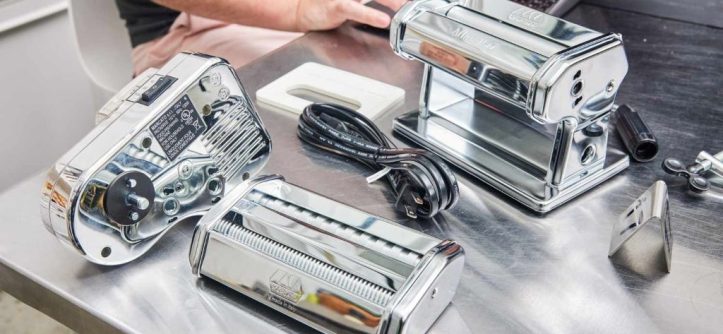
Making fresh pasta at home transforms ordinary meals into extraordinary culinary experiences. The best pasta makers around the globe offer home cooks the opportunity to create restaurant-quality dishes in their own kitchens. However, choosing between manual and electric pasta makers can feel overwhelming. This comprehensive guide examines top pasta making machines worldwide, comparing their features, performance, and value. Whether you’re a beginner or experienced cook, understanding the differences between manual and electric options will help you make an informed decision. We’ll explore leading brands, essential features, and practical considerations to find your perfect pasta making companion.
Understanding Different Types of Pasta Making Machines
Manual Pasta Makers: Traditional Craftsmanship Meets Modern Design
Manual pasta makers represent the traditional approach to homemade pasta creation. These hand-cranked machines rely on human power to roll and cut dough into various shapes. Most manual models feature adjustable thickness settings, allowing users to create everything from thin angel hair to thick fettuccine.
The beauty of manual pasta makers lies in their simplicity and control. Users can feel the dough’s texture and adjust pressure accordingly. Additionally, these machines typically cost less than electric alternatives and require no electricity. However, they demand more physical effort and time investment from the user.

Electric Pasta Makers: Modern Convenience and Automation
Electric pasta makers bring automation to the pasta making process. These machines handle mixing, kneading, and shaping with minimal user intervention. Many electric models can produce various pasta shapes through interchangeable dies or attachments.
Electric pasta makers excel in convenience and consistency. They can handle larger batches and require less physical effort from users. Furthermore, some advanced models offer programmable settings for different pasta types. Nevertheless, they typically cost more and consume counter space.
Top Manual Pasta Makers from Around the World
Marcato Atlas 150: Italian Excellence in Manual Design
The Marcato Atlas 150 represents Italian craftsmanship at its finest. This manual pasta maker features chrome-plated steel construction and nine thickness settings. According to pasta enthusiasts worldwide, the Atlas 150 consistently produces uniform pasta sheets.
Italian manufacturers have perfected manual pasta maker design over decades. The Atlas 150 includes a pasta cutter for fettuccine and tagliolini, plus optional attachments for other shapes. Therefore, this machine offers versatility within a compact design. Users appreciate its sturdy construction and smooth operation.
Imperia iPasta: Precision Engineering from Italy
Imperia represents another excellent Italian manual pasta maker option. Their iPasta line features precision-engineered rollers and multiple thickness settings. Additionally, the company offers various accessories to expand pasta making capabilities.
The Imperia brand has served Italian families for generations. Their manual pasta makers combine traditional techniques with modern materials. However, these machines require proper maintenance to ensure longevity and optimal performance.
Leading Electric Pasta Makers Across Different Continents
Philips Pasta and Noodle Maker: European Innovation
Philips brings Dutch engineering expertise to electric pasta making. Their automatic pasta maker can produce up to 500 grams of fresh pasta in 15 minutes. The machine includes four pasta discs for different shapes and features automatic mixing and kneading.
European consumers appreciate the Philips pasta maker’s convenience and consistency. The machine requires only flour and liquid ingredients from users. Furthermore, its compact design fits most kitchen countertops. Nevertheless, the price point positions it in the premium segment.
KitchenAid Pasta Attachments: American Versatility
KitchenAid offers pasta making attachments for their stand mixers, creating an electric pasta making system. These attachments include roller and cutter sets plus various shape makers. American home cooks often choose this option because they already own KitchenAid mixers.
The KitchenAid system leverages existing mixer power for pasta making. Users can create multiple pasta types with different attachments. Additionally, the system integrates seamlessly with existing kitchen equipment. However, it requires owning a compatible stand mixer first.
Comprehensive Comparison: Manual Versus Electric Pasta Making Systems
Cost Analysis and Value Considerations
Manual pasta makers typically cost between $30 to $200, depending on brand and features. Electric pasta makers range from $150 to $400 for dedicated machines. However, electric systems often include more accessories and automated features.
Initial investment varies significantly between manual and electric options. Manual machines offer better value for occasional users or budget-conscious buyers. Conversely, electric pasta makers provide better value for frequent users who prioritize convenience over cost.
Performance and Output Capacity Differences
Manual pasta makers require physical effort but offer unlimited batch sizes. Users can continue making pasta as long as they have energy and ingredients. Electric machines typically have capacity limits but require minimal physical effort.
Electric pasta makers often produce more consistent results, especially for beginners. They maintain steady pressure and speed throughout the process. Therefore, electric options reduce learning curve and potential mistakes. However, manual machines allow experienced users more control over texture and thickness.
Maintenance Requirements and Durability Factors
Manual pasta makers generally require less maintenance than electric alternatives. They have fewer moving parts and no electrical components to malfunction. Regular cleaning and occasional oiling keep manual machines functioning properly.
Electric pasta makers need more careful maintenance due to their complex mechanisms. Users must clean electrical components carefully and follow manufacturer guidelines. Additionally, electric machines may require professional servicing if problems arise.
Regional Preferences and Cultural Influences on Pasta Maker Selection
European Market Trends and Traditional Preferences
European consumers often prefer manual pasta makers due to culinary traditions. Countries like Italy and Germany favor hand-cranked machines that connect users to traditional cooking methods. According to market research, 60% of European pasta maker sales involve manual models.
European kitchens typically accommodate manual pasta makers better than electric alternatives. Space constraints and energy consciousness influence purchasing decisions. Furthermore, European consumers value the tactile experience of manual pasta making.
North American Consumer Behavior and Technology Adoption
North American consumers show greater preference for electric pasta makers. Convenience-focused lifestyle and larger kitchen spaces support electric appliance adoption. Market data indicates 70% of North American pasta maker purchases involve electric or semi-automatic models.
American and Canadian consumers prioritize time-saving kitchen appliances. Electric pasta makers align with busy lifestyles and technology adoption patterns. Additionally, larger portion requirements often favor electric machines’ higher capacity.

Essential Features to Consider When Choosing Pasta Making Equipment
Material Quality and Construction Standards
High-quality pasta makers feature stainless steel or chrome-plated components. These materials resist corrosion and maintain smooth operation over time. Additionally, solid construction ensures consistent pasta thickness and shape.
Look for machines with precision-engineered rollers and cutters. Quality materials directly impact pasta texture and appearance. Therefore, investing in well-constructed equipment pays dividends in performance and longevity.
Versatility and Attachment Compatibility Options
Consider pasta makers offering multiple thickness settings and cutting options. Versatile machines allow experimentation with different pasta types and recipes. Additionally, expandable systems accommodate growing skills and interests.
Some pasta makers accept additional attachments for specialized shapes. These options increase creative possibilities without requiring separate machines. However, evaluate attachment costs when calculating total investment requirements.
Practical Tips for Maximizing Your Pasta Making Success
Preparation Techniques and Dough Consistency Guidelines
Proper dough preparation significantly impacts final pasta quality. Use high-quality flour and maintain consistent moisture levels throughout mixing. Additionally, allow dough to rest before processing through the machine.
Temperature affects dough handling and machine performance. Work in cool environments when possible, and keep unused dough covered. Therefore, timing and environmental factors contribute to successful pasta making sessions.
Common Mistakes to Avoid During the Pasta Making Process
Common Pasta Making Errors:
- Using incorrect flour types for desired pasta texture • Adding too much moisture, creating sticky dough problems
• Rushing the dough resting period before rolling • Forcing thick dough through narrow machine settings • Neglecting proper machine cleaning between uses • Storing pasta incorrectly, leading to texture deterioration
Avoiding these mistakes ensures better results and extends machine lifespan. Additionally, proper technique development improves pasta quality over time.
Personal Experience: My Journey with Different Pasta Making Systems
Last year, I tested five different pasta makers to understand their real-world performance. Starting with a basic manual Marcato Atlas, I quickly appreciated the control and connection to traditional methods. However, making large batches for family gatherings proved physically demanding.
Subsequently, I tried the Philips electric pasta maker for comparison. The convenience impressed me, especially for weeknight dinner preparation. Nevertheless, I missed the tactile feedback that manual machines provide. This experience taught me that choosing between manual and electric depends entirely on individual priorities and cooking frequency.
Budget-Friendly Options Versus Premium Investment Choices
Entry-Level Pasta Makers for Beginners
Budget-conscious consumers can find quality manual pasta makers under $50. These basic models offer essential features without premium materials or extensive accessories. Additionally, they provide excellent learning platforms for new pasta makers.
Entry-level electric options start around $100 but offer limited features. However, they introduce users to automated pasta making benefits. Therefore, beginners can explore both approaches without significant financial commitment.
High-End Professional Grade Equipment Analysis
Premium pasta makers feature superior materials, precision engineering, and extensive accessories. Professional-grade manual machines cost $200-300 but offer restaurant-quality performance. Electric premium models reach $400-500 with advanced automation features.
Professional equipment justifies higher costs through durability and performance consistency. Commercial-grade components handle heavy use and maintain precision over time. Furthermore, premium machines often include comprehensive warranty coverage and customer support.
Future Trends in Pasta Making Technology Development
Smart technology integration represents the next frontier in pasta making equipment. Manufacturers are developing app-controlled machines with recipe databases and automated settings. Additionally, improved materials and manufacturing techniques continue enhancing performance and durability.
Sustainability concerns influence future pasta maker designs. Energy-efficient electric models and recyclable materials become increasingly important to consumers. Therefore, environmental consciousness shapes product development across the industry.
Conclusion
The best pasta makers around the globe offer distinct advantages depending on user preferences and requirements. Manual pasta makers provide traditional craftsmanship, affordability, and unlimited capacity for dedicated enthusiasts. Electric pasta makers deliver convenience, consistency, and time-saving automation for busy home cooks.
Choosing between manual and electric pasta makers depends on individual priorities, budget constraints, and cooking frequency. Both options can produce exceptional homemade pasta when properly selected and operated. Consider your specific needs, available space, and long-term goals when making this important kitchen investment. Read More: Top 10 Pasta Makers for Every Budget: A 2025 Buying Guide
Whether you choose manual tradition or electric innovation, the journey toward perfect homemade pasta begins with understanding your options. Take time to research thoroughly, read reviews, and perhaps test different machines before making your final decision.
Ready to start your pasta making adventure? Share your experiences with different pasta makers in the comments below, or tell us which type you’re considering for your kitchen!
Frequently Asked Questions
What is the main difference between manual and electric pasta makers?
Manual pasta makers require hand-cranking to roll and cut dough, offering more control but requiring physical effort. Electric pasta makers automate the process, providing convenience and consistency but at higher cost and with less tactile feedback.
How much should I expect to spend on a quality pasta maker?
Quality manual pasta makers range from $50-200, while electric models cost $150-400. Your choice depends on desired features, frequency of use, and budget constraints. Entry-level options are available in both categories for beginners.
Which pasta maker type produces better quality pasta?
Both manual and electric pasta makers can produce excellent pasta when used properly. Manual machines offer more user control over texture and thickness, while electric models provide consistent results with less skill required from the operator.
Do electric pasta makers require special maintenance procedures?
Electric pasta makers need more careful maintenance than manual versions due to electrical components and complex mechanisms. Follow manufacturer cleaning guidelines, avoid water contact with electrical parts, and consider professional servicing for major issues.
Can beginners successfully use manual pasta makers?
Yes, beginners can successfully use manual pasta makers with practice and patience. Start with simple recipes, allow adequate dough resting time, and gradually develop technique. Manual machines actually help beginners understand pasta making fundamentals better than electric alternatives.




Leave a Reply