

Gluten free homemade pasta can be made easily with the right ingredients and techniques. In this guide, we will walk you through the process of making delicious gluten free pasta at home, providing you with everything you need to know to create a perfect dish that is safe for those with gluten sensitivity or celiac disease.
From choosing the right gluten free flour to incorporating the right amount of moisture, we will cover all the necessary steps to ensure a successful pasta-making experience. Whether you are a gluten free enthusiast or cooking for someone with dietary restrictions, this guide will help you master the art of gluten free pasta making.
Get ready to impress your taste buds with your very own homemade gluten free pasta by following this step-by-step guide.
Crafting Gluten free Pasta At Home
Gluten free pasta has become quite popular in recent years, not only among individuals with gluten intolerance or celiac disease but also among those who are looking for healthier alternatives to traditional wheat-based pasta. Crafting your own gluten-free pasta at home allows you to control the ingredients, ensuring a delicious and safe option for your dietary needs. In this guide, we will explore the allure of gluten free pasta, the types of gluten-free flour blends that can be used, and the essential tools you will need to successfully make homemade gluten-free pasta.
The Allure Of Gluten-free Pasta
Gluten-free pasta has gained a reputation for being bland, dry, or gummy compared to its traditional counterpart. However, with the right techniques and ingredients, homemade gluten free pasta can be just as satisfying and flavorful as its wheat-based counterpart. It offers a variety of benefits, including:
- Compatibility with gluten-free diets: Individuals with gluten intolerances or celiac disease can enjoy pasta without any adverse effects on their health.
- Improved digestion: Gluten-free pasta is generally easier to digest, making it a suitable choice for those with sensitive stomachs.
- Dietary versatility: With the wide range of gluten-free flour blends available, you can create pasta that suits your specific dietary needs and preferences.
- Healthier alternative: Homemade gluten-free pasta allows you to avoid the processed ingredients and additives often found in store-bought options, resulting in a healthier dish.
Types Of Gluten-free Flour Blends
When it comes to crafting gluten-free pasta, the choice of flour blend is crucial for achieving the desired texture and taste. Here are some popular gluten free flour blends that you can use:
| Flour Blend | Characteristics |
|---|---|
| Brown rice flour | A versatile flour with a nutty flavor, often used as a base in gluten free pasta recipes. |
| Almond flour | Offers a delicate texture and a slightly sweet flavor, adding a unique touch to gluten-free pasta. |
| Buckwheat flour | Despite its name, buckwheat is gluten free and provides a hearty taste and texture to your homemade pasta. |
These are just a few examples, and you can experiment with different combinations of gluten-free flours to find the perfect blend for your pasta.
Essential Tools For Homemade Pasta
To successfully make gluten-free pasta at home, you will need a few essential tools:
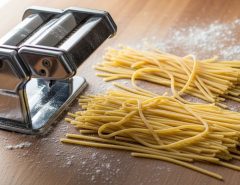
- Pasta machine: An electric or manual pasta machine will make rolling out the pasta dough much easier and help you achieve the desired thickness.
- Large mixing bowl: A spacious bowl will provide enough room for combining and kneading the pasta dough.
- Dough scraper: This handy tool will help you gather and cut the pasta dough, ensuring uniform shapes.
- Baking sheet: A baking sheet lined with parchment paper will allow your pasta to dry before cooking or storing.
- <strong Covering the pasta dough with plastic wrap or a kitchen towel will prevent it from drying out while resting.</strong
With these essential tools at your disposal, you’ll be well-equipped to create your own delightful batches of gluten-free pasta.
Gluten-free Pasta Dough Basics
Making gluten-free pasta at home can be a game-changer for those who follow a gluten-free diet. The delight of twirling a forkful of fresh, gluten-free pasta cannot be underestimated! In this guide, we will walk you through the basics of gluten free pasta dough, from choosing the right ingredients to troubleshooting common dough issues. Whether you have a gluten intolerance or simply want to explore new culinary horizons, this guide will equip you with the skills to create perfect gluten free pasta dough every time.
Choosing The Right Ingredients
The key to a successful gluten-free pasta dough lies in selecting the right ingredients. While traditional pasta relies on gluten to provide structure and elasticity, we need alternative ingredients that can mimic these qualities. Here are the essential components for your gluten-free pasta dough:
| Ingredient | Function |
|---|---|
| Rice flour | Provides structure and flavor |
| Potato starch | Adds smoothness and tenderness |
| Tapioca flour | Adds elasticity and chewiness |
| Xanthan gum | Binds the ingredients and provides stretch |
| Eggs | Helps bind the dough and adds richness |
Make sure to choose high-quality ingredients that are labeled as gluten-free. Experimenting with various flour blends can also yield different textures and flavors, so don’t hesitate to get creative!
Steps To Making The Perfect Dough
- Mix the dry ingredients: In a large bowl, combine the rice flour, potato starch, tapioca flour, and xanthan gum. Whisk them together until well incorporated.
- Add the wet ingredients: Create a well in the center of the dry ingredients and crack the eggs into it. Whisk the eggs with a fork and gradually incorporate the surrounding flour until a shaggy dough forms.
- Knead the dough: Transfer the dough onto a lightly floured surface and knead it for about 5-7 minutes. If the dough feels too sticky, add small amounts of rice flour until it becomes more manageable.
- Rest the dough: Wrap the dough tightly in plastic wrap and let it rest in the refrigerator for at least 30 minutes. This resting time allows the flour to absorb the moisture and enhances the elasticity of the dough.
- Roll out the dough: Remove the dough from the refrigerator and divide it into smaller portions. Using a pasta machine or a rolling pin, roll out each portion into thin sheets.
- Shape the pasta: Cut the rolled-out dough into your desired pasta shapes, such as fettuccine, tagliatelle, or ravioli. Dust the cut pasta with additional rice flour to prevent sticking.
- Cook and serve: Bring a pot of salted water to a boil and cook the gluten-free pasta for a shorter time than regular pasta, as it tends to cook faster. Once al dente, drain the pasta and toss it with your favorite sauce or simply drizzle with olive oil and sprinkle with Parmesan cheese.
By following these easy steps, you’ll have a batch of delicious gluten-free pasta ready to enjoy in no time.
Troubleshooting Common Dough Issues
Creating gluten-free pasta dough may come with a few challenges, but fear not! Here are some common issues you might encounter and how to troubleshoot them:
- Dough too dry: If your dough feels too dry and crumbly, gradually add small amounts of water or beaten eggs until the dough becomes more pliable.
- Dough too sticky: On the other hand, if the dough is too sticky and difficult to handle, dust it with additional rice flour or tapioca flour to absorb the excess moisture.
- Dough tearing: When rolling out the dough, if it tends to tear or break, try rolling it out more slowly and with lighter pressure. You can also dust the dough lightly with rice flour to prevent sticking.
- Pasta sticking together: To prevent the cut pasta from sticking together, toss it with some rice flour immediately after cutting. Alternatively, you can sprinkle the pasta with rice flour and gently separate the strands.
With these troubleshooting tips, you’ll be able to overcome any dough-related challenges and master the art of gluten-free pasta making.
Rolling And Cutting Techniques
When it comes to making gluten free homemade pasta, mastering the rolling and cutting techniques is essential for creating that perfect plate of pasta. In this guide, we will explore two popular methods: rolling dough by hand and using a pasta machine, as well as tips for cutting pasta into various shapes and sizes. Additionally, we will discuss how to maintain the ideal texture of your pasta. Let’s get started!
Rolling Dough By Hand Vs. Pasta Machine
If you prefer a traditional approach and enjoy the feeling of kneading dough, rolling it by hand can be a rewarding experience. To begin, prepare a smooth working surface by dusting it with gluten-free flour. Make sure your dough is properly rested and divided into small portions for easier handling. Work with one portion at a time, flattening it into a rough rectangle with your hands.
To achieve the desired thinness, use a rolling pin and roll the dough from the center outward, applying even pressure. Rotate the dough periodically to ensure uniform thickness. This method requires patience and practice, but it allows you to fully immerse yourself in the pasta-making process.
On the other hand, using a pasta machine can save you time and effortlessly create consistent dough sheets. With a pasta machine, you can easily adjust the thickness setting to achieve your desired pasta thickness. Start by flattening a portion of the dough with your hands, dust it with flour to prevent sticking, and feed it into the machine. Slowly turn the handle while guiding the dough through the rollers. Gradually decrease the thickness setting and feed the dough through again until you achieve the desired thinness.
Cutting Pasta Into Various Shapes And Sizes
Once you have rolled your pasta dough into thin sheets, it’s time to cut it into various shapes and sizes. The possibilities are endless, allowing you to unleash your creativity in the kitchen. Here are some popular shapes:
| Shape | Description |
|---|---|
| Tagliatelle | Long, flat ribbons approximately 1/4 inch wide, perfect for hearty sauces. |
| Fettuccine | Slightly wider than tagliatelle, typically paired with creamy sauces. |
| Farfalle | Bowtie-shaped pasta, versatile and great for both creamy and chunky sauces. |
| Orzo | Pasta resembling rice grains, is ideal for salads and soups. |
To achieve these shapes, you can use a sharp knife or invest in specialty pasta cutters specific to each shape. Cut the dough sheets according to your desired width and length, keeping in mind that gluten-free pasta tends to expand when cooked.
Tips For Maintaining Pasta Texture
To ensure your homemade gluten-free pasta maintains the perfect texture, here are some essential tips:
- Use a good quality gluten-free flour blend specifically designed for pasta-making, as it contains the necessary binding agents.
- Avoid overcooking the pasta, as gluten-free varieties can become mushy if left in boiling water for too long. Cook according to the recommended time on the package, and taste for desired doneness.
- When adding pasta to boiling water, make sure the water is at a rolling boil and generously salted. This helps prevent sticking and enhances the flavor of the pasta.
- After cooking, drain the pasta promptly and toss it with a drizzle of olive oil to prevent clumping.
By following these rolling and cutting techniques, along with the tips for maintaining the perfect pasta texture, you’ll be on your way to creating delicious gluten free homemade pasta that will impress even the most discerning pasta connoisseur. Happy pasta-making!
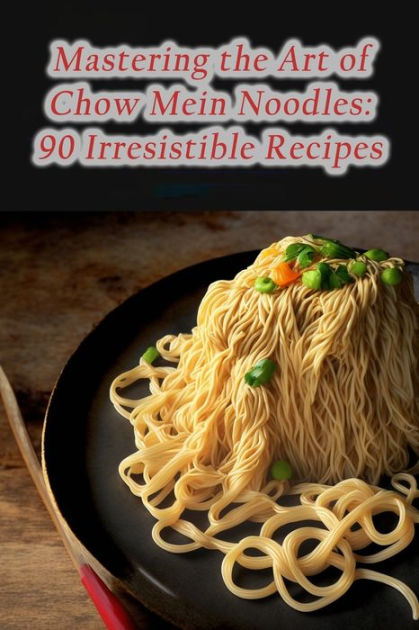
Credit: www.barnesandnoble.com
Perfecting The Art Of Irresistible Noodles
There’s something truly satisfying about creating your own homemade pasta from scratch, especially when it’s gluten-free. Not only does it give you complete control over the ingredients, but it also allows you to indulge in the flavors and textures that store-bought options often lack. In this gluten free homemade pasta guide, we will take you through the steps of making the perfect noodles – cooking them to al dente, pairing them with delicious sauces and ingredients, and storing them properly for future use. Let’s dive in!
Cooking Homemade Pasta To Al Dente
Preparing gluten free homemade pasta to al dente perfection requires a delicate balance of timing and technique. Follow these simple steps to achieve the ideal texture:
- Bring a large pot of salted water to a rolling boil.
- Add the homemade pasta and gently stir to ensure it doesn’t stick together.
- Cook the pasta for a shorter duration than you would for store-bought varieties. Gluten-free pasta tends to cook faster, so keep a close eye on it.
- To check if it’s done, taste a small piece. Al dente pasta should be tender but still have a slight firmness to it.
- Once cooked to perfection, drain the pasta immediately and rinse it under cold water to stop the cooking process. This will help preserve its texture.
Pairing With Sauces And Ingredients
Gluten free homemade pasta is incredibly versatile and can be paired with a variety of sauces and ingredients to create mouthwatering dishes. Here are some delicious combinations to try:
- Garlic and olive oil: Toss your homemade pasta in a fragrant mixture of minced garlic, extra virgin olive oil, and a sprinkle of red pepper flakes for a simple yet satisfying dish.
- Pesto sauce: The vibrant flavors of basil, pine nuts, garlic, Parmesan cheese, and olive oil create a perfect harmony with the delicate texture of gluten free homemade pasta.
- Marinara sauce: Whether it’s a classic tomato-based marinara or a flavorful arrabbiata, the rich, tangy notes of the sauce complement the pasta beautifully.
- Creamy Alfredo: Indulge in a creamy, cheesy sauce made with butter, heavy cream, garlic, and Parmesan cheese. This combination brings out the richness of the homemade pasta.
Storing Fresh Pasta Properly
To ensure the longevity of your gluten free homemade pasta, follow these guidelines:
- Once the pasta is completely dry, store it in an airtight container or a resealable plastic bag. This will help prevent moisture from getting in and causing the pasta to become sticky.
- For short-term storage, refrigerate the pasta for up to 3 days. Be sure to bring it to room temperature before cooking.
- If you want to store it for a longer duration, freezing is the best option. Place the pasta in a freezer-safe bag or container, and it will stay fresh for up to 2 months.
- To cook frozen pasta, simply add it directly to boiling water without thawing. It may require a slightly longer cooking time than fresh pasta.
By following these guidelines, you can enjoy the taste and texture of your homemade pasta whenever the cravings strike.
Elevating Your Gluten-free Pasta Dishes
When it comes to gluten-free pasta, there is no need to compromise on taste or creativity. With a few simple tips and tricks, you can take your gluten-free pasta dishes to a whole new level. In this guide, we will explore creative recipes for every occasion, incorporating seasonal produce and herbs, as well as gluten-free alternatives for classic favorites. Let’s dive in and discover how you can elevate your gluten-free pasta dishes!
1. Creative Recipes For Every Occasion
One of the best things about homemade pasta is the endless possibilities for creativity. From vibrant vegetable sauces to rich and creamy Alfredo, there are countless recipes to suit every taste and occasion. Here are a few creative gluten-free pasta recipes to inspire you:
- Roasted Vegetable Pasta Primavera: Toss freshly roasted asparagus, bell peppers, cherry tomatoes, and zucchini with gluten-free pasta and a light lemon garlic sauce for a colorful and refreshing dish.
- Creamy Pesto Pasta with Shrimp: Combine fresh basil pesto, cooked shrimp, and gluten-free penne pasta for a flavorful and satisfying meal that is perfect for summer.
- Mushroom and Spinach Alfredo: Sautee mushrooms and spinach in a creamy dairy-free Alfredo sauce and serve over gluten-free fettuccine for a comforting and indulgent dish.
2. Incorporating Seasonal Produce And Herbs
Take advantage of the abundance of seasonal produce and herbs to add freshness and flavor to your gluten-free pasta dishes. By incorporating ingredients that are in season, you not only elevate the taste but also support local farmers and enjoy the best quality produce. Here are some ideas for incorporating seasonal produce and herbs:
- Spring: Toss gluten-free spaghetti with sautéed ramps, peas, and lemon zest for a light and vibrant dish.
- Summer: Create a refreshing gluten-free pasta salad with ripe tomatoes, cucumbers, herbs like basil and parsley, and a tangy vinaigrette dressing.
- Fall: Sauté butternut squash, sage, and crispy bacon, then toss with gluten-free penne pasta for a cozy and comforting meal.
- Winter: Roast root vegetables like parsnips and carrots, then combine with rosemary and garlic-infused gluten-free fettuccine for a hearty winter pasta dish.
3. Gluten-free Alternatives For Classic Favorites
Just because you follow a gluten-free diet doesn’t mean you have to miss out on your favorite pasta dishes. There are now plenty of gluten-free alternatives available in stores or you can make your own at home. Here are some gluten-free alternatives for classic favorites:
- Spaghetti and Meatballs: Substitute traditional pasta with gluten-free spaghetti made from brown rice or corn flour, and serve with homemade gluten-free meatballs and marinara sauce.
- Lasagna: Layer gluten-free lasagna noodles, made from corn or quinoa flour, with a rich tomato sauce, cheese, and your favorite fillings for a satisfying and comforting gluten-free lasagna.
- Mac and Cheese: Use gluten-free macaroni made from chickpea flour or quinoa flour, and create a creamy cheese sauce using gluten-free ingredients for a delicious and nostalgic gluten-free mac and cheese.
With these creative recipes, seasonal produce and herb combinations, and gluten-free alternatives, you can elevate your gluten-free pasta dishes and truly enjoy the flavors and possibilities of homemade gluten-free pasta. It’s time to get cooking and indulge in delicious gluten-free creations!
Frequently Asked Questions Of Gluten free Homemade Pasta Guide
Can I Make Gluten-free Pasta At Home?
Yes, you can easily make gluten-free pasta at home using simple ingredients like gluten-free flour, eggs, and water. There are various recipes available online that provide step-by-step instructions on how to make delicious gluten-free pasta.
What Are The Benefits Of Gluten-free Pasta?
Gluten-free pasta offers several benefits, especially for individuals with gluten sensitivities or Celiac disease. It allows them to enjoy pasta dishes without experiencing digestive discomfort. Additionally, gluten-free pasta can be a healthier alternative, as it is often made from more nutrient-dense grains like brown rice or quinoa.
How Do I Store Homemade Gluten-free Pasta?
To store homemade gluten-free pasta, allow it to dry completely, then store it in an airtight container in a cool, dry place. If you plan to keep it for an extended period, it’s best to freeze the pasta. This will help maintain its texture and prevent it from becoming stale.
Conclusion
To master the art of gluten-free homemade pasta, it is essential to follow these tips and tricks. By choosing the right gluten-free flour, experimenting with various ingredients, and harnessing the power of patience, you can achieve delicious and satisfying pasta dishes that cater to dietary restrictions.
With a little practice and some creativity, gluten-free pasta making will become second nature. So, get your apron on and start creating gluten-free pasta masterpieces that will leave your taste buds wanting more.

Leave a Reply