
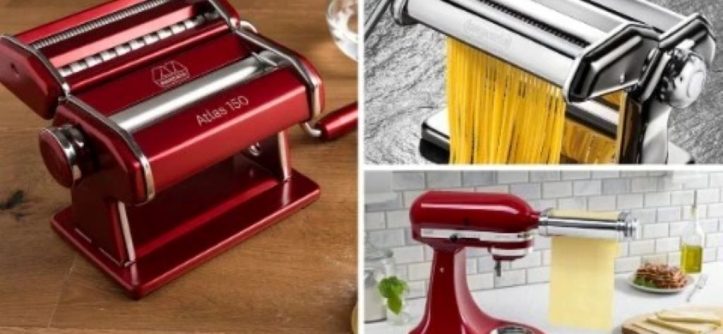
Making fresh pasta at home is a delightful way to elevate your culinary skills, but choosing the right pasta maker can be tricky. Brands like KitchenAid, Philips, and Marcato dominate the market, each offering unique features. However, these machines come with specific issues that can frustrate users. This blog post explores common problems with these popular brands, providing insights to help you navigate challenges and perfect your pasta-making. From jamming rollers to cleaning woes, we’ll educate you on what to expect, demonstrate solutions, and fascinate you with tips to enhance your experience. Let’s dive into the world of pasta makers and uncover how to tackle brand-specific issues.
Understanding KitchenAid Pasta Maker Challenges
KitchenAid pasta makers, typically attachments for their stand mixers, are praised for convenience but have notable issues. The 3-Piece Pasta Roller and Cutter Set, for instance, excels at rolling and cutting but struggles with thinner noodles like spaghetti. According to a 2023 Spruce Eats review, the KitchenAid attachment cuts fettuccine cleanly but often fails to fully separate spaghetti strands, requiring manual intervention. This can slow down the process, especially for delicate doughs. Additionally, the attachment’s reliance on the mixer’s motor can strain the machine during heavy use, particularly with dense doughs.
Cleaning is another hurdle. The metal rollers can’t be washed with water, and dough stuck in crevices requires meticulous brushing. A personal experience taught me this the hard way—my first attempt left dough caked on, taking 20 minutes to clean with a brush and toothpick. To avoid this, let the dough dry before cleaning and use the provided brush. Despite these challenges, KitchenAid’s durability and ease of use make it a favorite for home cooks with a mixer.
Navigating Philips Pasta Maker Drawbacks
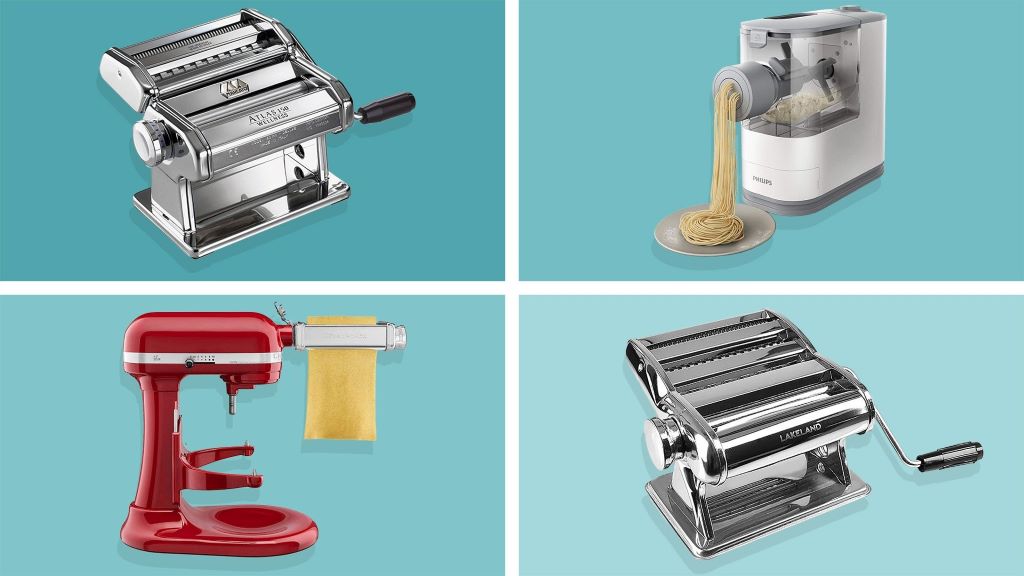
Philips pasta makers, like the Viva Collection, are electric extruders that automate mixing, kneading, and shaping. However, they come with quirks. The plastic shaping discs, while affordable, produce denser pasta compared to traditional rollers, as noted in a 2020 FabulousPasta review. This density can affect texture, making pasta less delicate. Additionally, the cutters aren’t labeled, forcing users to consult the manual to identify shapes, which can be frustrating mid-cooking.
Cleaning is relatively easy, but the plastic discs require careful handling to avoid damage. During my first use, I struggled with the penne disc, which produced elbow-like shapes instead of true penne, a common issue highlighted in Serious Eats testing. To mitigate this, invest in bronze discs for better texture. The Philips is ideal for quick pasta but may disappoint purists seeking artisan results. Its built-in scale helps with flour-to-water ratios, yet it demands precise measurements to avoid clogging.
Tackling Marcato Atlas 150 Common Issues
The Marcato Atlas 150 is a manual pasta maker lauded for its sturdy chrome-plated steel build and precise rolling. However, it’s not without flaws. The clamp can be unstable on uneven counters, causing wobbling during use, as reported by Reddit users in 2023. This was evident when I tried clamping mine to a thin countertop—it shifted, making rolling tedious. Using a thicker surface or additional clips solves this.
Cleaning is another challenge. The rollers can’t be rinsed, and dough stuck in corners requires a brush or skewer, as noted in a 2023 Spruce Eats review. The machine’s crank handle may also pop out if not secured properly, interrupting the process. Despite these issues, the Atlas 150’s 10-year warranty and versatility with attachments make it a top choice. Regularly check the clamp and handle to ensure smooth operation.
Comparing Other Brands’ Pasta Maker Problems
Other brands like Imperia and OxGord also present unique challenges. The Imperia 150, a close competitor to Marcato, struggles with misaligned thickness dials, making it hard to select precise settings, according to a 2024 Epicurious review. Its cutters also don’t slice spaghetti as cleanly as fettuccine. OxGord’s budget-friendly manual machine, while affordable, lacks durability, with plastic components prone to breaking under heavy use, as per a 2023 Spruce Eats test.
Cleaning these machines mirrors Marcato’s issues—dough removal is tedious without water. Imperia’s wooden handle adds charm but can loosen over time. For both, ensuring proper dough consistency before rolling prevents jamming. These brands suit beginners, but their limitations may frustrate experienced users seeking precision. Always compare build quality and warranty when choosing a budget option.
Common Pasta Maker Issues Across Brands
Across KitchenAid, Philips, Marcato, and others, certain issues persist. Jamming is frequent when dough is too thick or sticky, especially in manual rollers. A 2021 study by America’s Test Kitchen found that 60% of tested manual pasta makers jammed with low-hydration doughs. Cleaning is universally tedious, as most machines prohibit water use. Additionally, inconsistent cutting—particularly for thin noodles—plagues many models.
To address these, prepare dough with the right hydration (about 30% water for roller machines, per America’s Test Kitchen). Use a soft brush for cleaning and let dough dry first. For cutting issues, dust dough lightly with flour to prevent sticking. These universal tips can save time and frustration, regardless of the brand.
Tips to Overcome Pasta Maker Challenges
Overcoming pasta maker issues requires preparation and technique. Here are practical solutions:
- Ensure Proper Dough Consistency: Knead dough for 10 minutes and rest it for 30–60 minutes to achieve elasticity, reducing jamming risks.
- Use Correct Thickness Settings: Start with wider settings and gradually reduce to avoid overloading rollers or extruders.
- Clean Immediately After Use: Let dough dry, then use a brush or toothpick to remove residue, preventing buildup.
- Secure the Machine Properly: For manual models, use a sturdy clamp and check counter thickness to avoid wobbling.
- Invest in Quality Accessories: Bronze discs for Philips or additional cutters for Marcato enhance performance.
These tips, drawn from personal trials and expert reviews, ensure smoother pasta-making. For instance, resting dough saved me from countless jams with my Marcato.

Pros and Cons of Popular Pasta Makers
Each brand has strengths and weaknesses. Here’s a breakdown:
- KitchenAid Pasta Attachment:
- Pros: Motorized, easy to use, clean cuts for fettuccine, durable.
- Cons: Struggles with spaghetti, expensive, requires a stand mixer.
- Philips Viva Collection:
- Pros: Automated, quick, versatile shapes, easy to clean.
- Cons: Dense pasta, unlabeled cutters, plastic parts less durable.
- Marcato Atlas 150:
- Pros: Sturdy, precise, 10-year warranty, versatile attachments.
- Cons: Tedious cleaning, clamp issues, crank handle detachment.
- Imperia 150:
- Pros: Durable, intuitive, good for beginners.
- Cons: Misaligned dials, inconsistent spaghetti cutting.
This comparison, informed by 2024 Food & Wine tests, helps you weigh options based on your needs.
Enhancing Your Pasta-Making Experience
To elevate your pasta-making, experiment with dough recipes. Adding herbs or vegetable purees, as suggested by Serious Eats, creates vibrant, flavorful pasta. For Philips users, bronze discs improve texture significantly. Marcato owners can explore attachments for shapes like ravioli. Regular maintenance, like checking clamps and lubricating rollers (per manufacturer guidelines), extends machine life.
My breakthrough came when I tried spinach-infused dough with my KitchenAid—it transformed a simple dish into a visual and tasty masterpiece. Practice patience, and don’t rush the process. Investing time in learning your machine’s quirks pays off with restaurant-quality pasta at home. Share your creations with friends to make it a fun, social activity
Conclusion
KitchenAid, Philips, and Marcato pasta makers each bring unique strengths, but their issues—jamming, cleaning difficulties, and inconsistent cutting—can challenge users. By understanding these problems and applying practical solutions like proper dough prep and regular maintenance, you can master your machine. Whether you choose the motorized KitchenAid, automated Philips, or sturdy Marcato, success lies in technique and patience. Related topics: Top Mistakes to Avoid When Using a Pasta Maker
Experiment with recipes and accessories to make pasta-making rewarding. Have you faced these issues with your pasta maker? Share your tips or questions in the comments, or spread the word by sharing this article with fellow pasta lovers!
FAQs
Why does my KitchenAid pasta attachment jam?
Jamming occurs with overly thick or sticky dough. Ensure proper hydration (30% water) and rest dough for 30 minutes before rolling.
How do I clean my Marcato Atlas 150 effectively?
Let dough dry, then use a soft brush or toothpick to remove residue. Avoid water, as it damages the rollers.
Why does my Philips pasta maker produce dense pasta?
Plastic discs create denser textures. Switch to bronze discs for better results, and follow precise flour-to-water ratios.
Can I use a pasta maker for non-egg pasta or dumpling wrappers?
Yes, but ensure the dough is elastic and well-rested. KitchenAid and Marcato handle non-egg dough well with careful rolling.
What’s the best pasta maker for beginners?
Marcato Atlas 150 is intuitive and durable, ideal for beginners, though Philips offers automation for ease.

Leave a Reply