
Pasta is a beloved staple in kitchens around the world. Whether you’re whipping up a quick weeknight spaghetti or hosting a dinner party with homemade fettuccine, the right tools can make all the difference. One often-overlooked but essential tool is the pasta fork. A good pasta fork not only helps you serve pasta with ease but also ensures your noodles are perfectly twirled and sauced every time.
If you’ve ever struggled with tangled spaghetti or a messy plate, you know how frustrating it can be. That’s where the best pasta fork comes in. With so many options available, choosing the right one can feel overwhelming. To help you make an informed decision, I’ve put together this guide on how to choose the best pasta fork for cooking and serving. And if you’re ready to upgrade your kitchen tools, check out some of the best-pasta-fork options available today.
Why a Pasta Fork Matters
A pasta fork is more than just a serving utensil—it’s a game-changer for anyone who loves pasta. Unlike regular forks or spoons, pasta forks are designed with long prongs and a deep bowl to grip and lift pasta without losing strands or sauce. They’re especially useful for long noodles like spaghetti, linguine, and fettuccine, which can be tricky to serve neatly.
From my own experience, I remember hosting a dinner party where I tried to serve spaghetti with a regular spoon. The noodles slipped off, the sauce dripped everywhere, and the presentation was far from elegant. After switching to a pasta fork, serving became effortless. The prongs held the pasta securely, and the bowl helped portion the perfect amount of sauce with each scoop.
According to recent trends, pasta consumption continues to rise globally, with the average American eating over 20 pounds of pasta each year. As more people embrace homemade pasta and gourmet dishes, having the right tools—like a quality pasta fork—can elevate your cooking and dining experience.
Types of Pasta Forks
1. Stainless Steel Pasta Forks
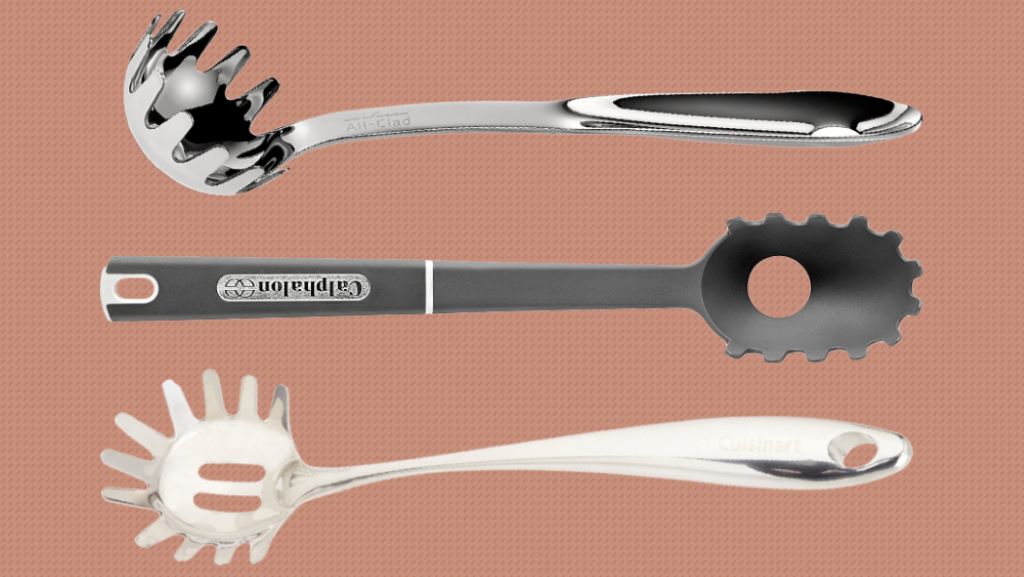
Stainless steel pasta forks are the most popular choice due to their durability and ease of cleaning. They’re resistant to rust and can handle high heat, making them ideal for both cooking and serving. Many stainless steel forks feature long prongs and a deep bowl, which helps grip pasta securely and drain excess water.
Pros:
- Durable and long-lasting
- Easy to clean and dishwasher-safe
- Heat-resistant for cooking and serving
Cons:
- Can be heavier than other materials
- May scratch non-stick cookware if not used carefully
2. Silicone Pasta Forks
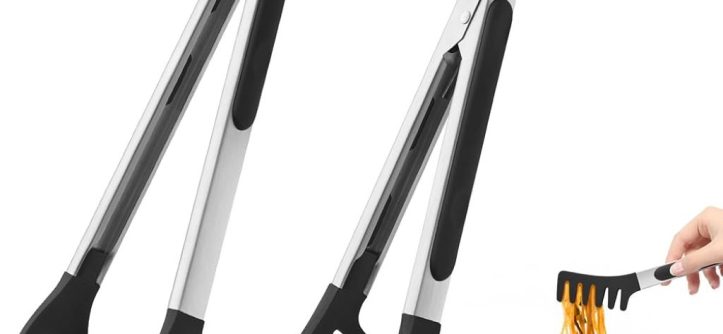
Silicone pasta forks are a great option for those with non-stick cookware. They’re heat-resistant, flexible, and gentle on pots and pans. Silicone forks often come with a stainless steel handle for added durability and a comfortable grip.
Pros:
- Safe for non-stick cookware
- Heat-resistant and flexible
- Lightweight and easy to handle
Cons:
- May not be as durable as stainless steel
- Can wear out over time with frequent use
3. Wooden Pasta Forks
Wooden pasta forks add a rustic charm to your kitchen and are gentle on cookware. They’re ideal for serving pasta at the table and can double as a decorative piece. However, wooden forks require more maintenance, as they should be hand-washed and dried thoroughly to prevent warping or cracking.
Pros:
- Aesthetic and elegant
- Gentle on cookware
- Lightweight and comfortable to use
Cons:
- Requires hand-washing and careful drying
- Less durable than stainless steel or silicone
Key Features to Consider
Material
The material of your pasta fork affects its durability, heat resistance, and ease of use. Stainless steel is the most durable and heat-resistant, making it ideal for both cooking and serving. Silicone is a great choice for non-stick cookware, while wooden forks add a touch of elegance to your table setting.
Prong Design
Look for a pasta fork with long, well-spaced prongs. This design helps grip pasta securely and prevents noodles from slipping off. Some forks also feature a central hole, which can be used to portion dry pasta before cooking.
Handle Comfort
A comfortable handle is essential, especially if you plan to use your pasta fork frequently. Look for ergonomic designs with non-slip grips to ensure better control and minimize hand fatigue.
Versatility
Some pasta forks are designed for both cooking and serving, while others are specialized for one task. If you want a multi-purpose tool, opt for a fork with a deep bowl and long prongs that can handle everything from stirring pasta in the pot to plating it neatly.
Ease of Cleaning
Pasta forks should be easy to clean to maintain hygiene and longevity. Stainless steel and silicone forks are typically dishwasher-safe, while wooden forks require hand-washing and careful drying.
How to Use a Pasta Fork
Using a pasta fork is simple, but there are a few tips to ensure the best results:
- Cooking: Use the fork to stir pasta in the pot, separating strands and preventing clumping. The prongs can also help you snag a piece to test for doneness.
- Draining: If your fork has a central hole, use it to drain excess water while lifting pasta from the pot.
- Serving: Scoop pasta into the bowl of the fork, using the prongs to twirl and portion the noodles neatly. This helps create an elegant presentation and ensures each serving has the perfect amount of sauce.
Common Mistakes to Avoid
- Using the Wrong Utensil: Regular forks or spoons can’t grip pasta as effectively as a pasta fork. Invest in a dedicated tool for the best results.
- Overloading the Fork: Trying to serve too much pasta at once can lead to messy spills. Use the fork to portion smaller, manageable amounts.
- Ignoring Maintenance: Always clean your pasta fork after use to prevent buildup and maintain its condition. Follow the manufacturer’s care instructions for best results.
FAQs
What is the best material for a pasta fork?
Stainless steel is the best material for a pasta fork due to its durability, heat resistance, and ease of cleaning. Silicone is a great alternative for non-stick cookware, while wooden forks add a rustic touch to your table setting.
Can I use a pasta fork for other types of food?
Yes! Pasta forks are versatile tools that can also be used for serving salads, stir-fries, and even grilled vegetables. Their long prongs and deep bowl make them ideal for gripping and portioning a variety of dishes.
How do I clean my pasta fork?
Stainless steel and silicone pasta forks are typically dishwasher-safe. Wooden forks should be hand-washed with warm, soapy water and dried thoroughly to prevent warping or cracking.
Are pasta forks worth the investment?
If you love pasta and want to serve it neatly and efficiently, a pasta fork is definitely worth the investment. It simplifies the serving process and ensures your pasta looks as good as it tastes.
Can I use a pasta fork to twirl spaghetti?
Yes! The long prongs of a pasta fork are designed to twirl spaghetti and other long noodles, making it easier to create neat, restaurant-style servings.
Conclusion
Choosing the best pasta fork can transform your pasta-cooking and serving experience. Whether you opt for a durable stainless steel fork, a flexible silicone model, or an elegant wooden design, the right tool will make your meals more enjoyable and presentable.
Investing in a high-quality pasta fork is a small step that yields big results. It ensures your pasta is served neatly, with the perfect amount of sauce and twirl, making every meal feel special.
Have you tried using a pasta fork? Share your favorite tips or recipes in the comments below! And if you found this guide helpful, don’t forget to share it with your fellow pasta lovers.


Leave a Reply