
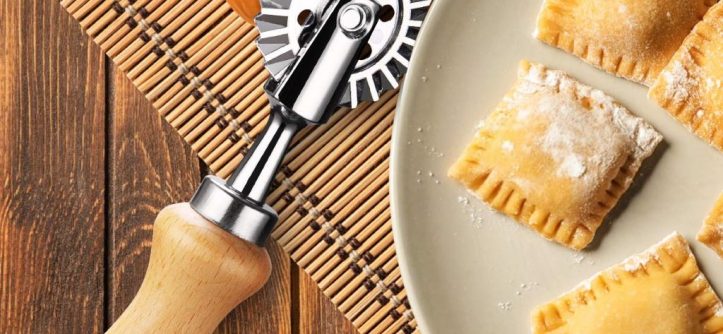
There’s nothing quite like the satisfaction of making fresh, homemade pasta. Whether you’re crafting delicate ravioli, wide pappardelle, or classic fettuccine, the right tools can make all the difference. One of the most essential tools in your pasta-making arsenal is the pasta cutter wheel. This simple yet powerful tool ensures clean, precise cuts, giving your pasta a professional finish.
If you’re serious about homemade pasta, investing in a high-quality pasta cutter wheel is a must. With so many options available, it can be overwhelming to choose the right one. That’s why I’ve put together this guide to help you find the best pasta cutter wheel for your needs. And if you’re looking for top recommendations, check out some of the best pasta cutter wheels available today.
Why a Pasta Cutter Wheel Matters
A pasta cutter wheel is designed to slice through pasta dough with precision, creating clean edges for ravioli, lasagna, or any type of noodle. Unlike knives or pizza cutters, pasta cutter wheels are specifically designed for this task, ensuring that your pasta maintains its shape and texture.
From my own experience, I remember the first time I tried to cut pasta sheets with a regular knife. The edges were jagged, and the dough stuck to the blade, making the process frustrating. Once I switched to a pasta cutter wheel, everything changed. The cuts were smooth, the dough didn’t stick, and my pasta looked as good as it tasted.
According to recent trends, the demand for homemade pasta has surged, with more people investing in tools that make the process easier and more enjoyable. A good pasta cutter wheel is a small but mighty tool that can elevate your pasta-making game, whether you’re a beginner or a seasoned pro.
Types of Pasta Cutter Wheels
1. Single-Wheel Cutters
Single-wheel cutters are the most basic type of pasta cutter wheel. They feature a single blade, which can be either smooth or fluted (toothed). These cutters are ideal for precision cutting and are perfect for those who want a simple, no-frills tool.
Pros:
- Easy to use and control
- Affordable and widely available
- Great for beginners
Cons:
- Limited versatility compared to multi-wheel cutters
- May require more time for large batches
2. Double-Wheel Cutters
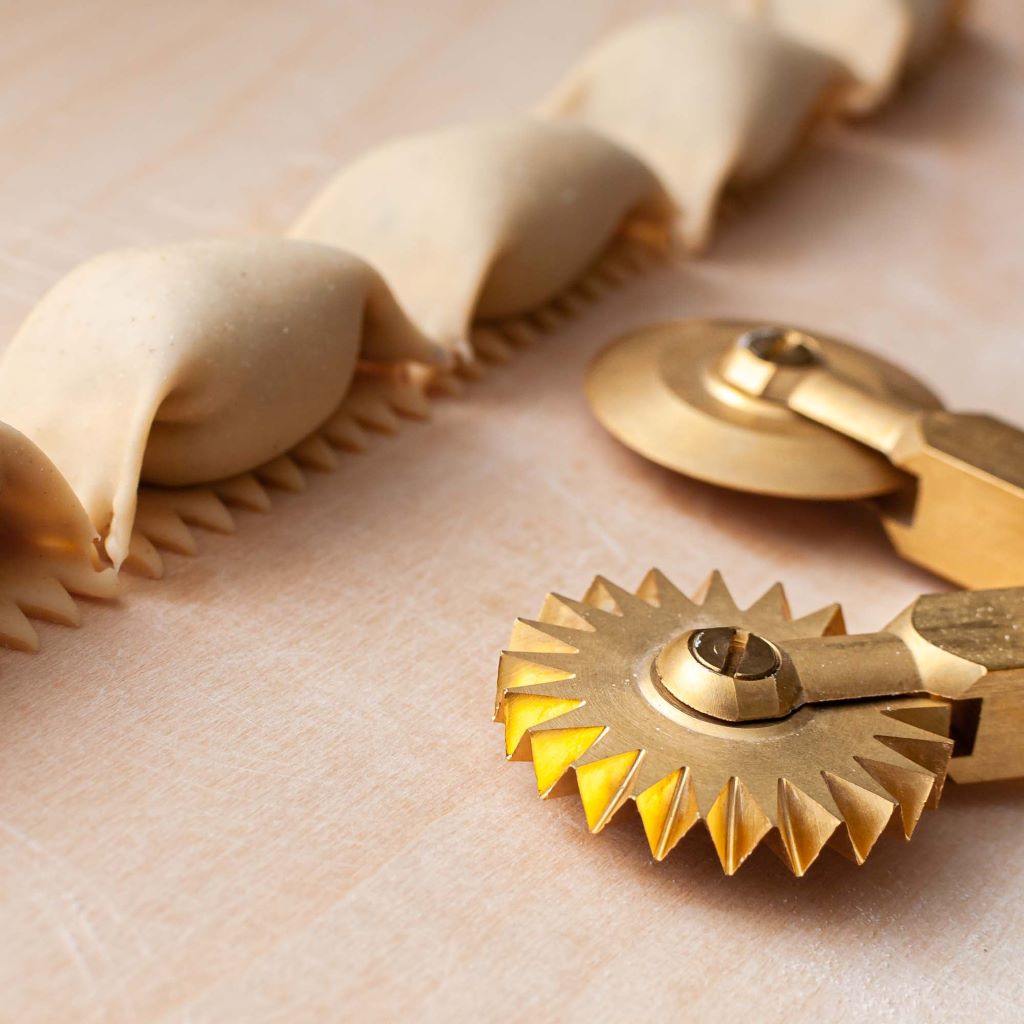
Double-wheel cutters feature two blades—one smooth and one fluted—on a single handle. This design allows you to switch between straight and decorative cuts without needing multiple tools. Double-wheel cutters are perfect for those who want versatility without sacrificing precision.
Pros:
- Versatile for different types of cuts
- Saves space and reduces the need for multiple tools
- Ideal for both pasta and pastry
Cons:
- Slightly more expensive than single-wheel cutters
- May require more practice to use effectively
3. Adjustable Multi-Wheel Cutters
Adjustable multi-wheel cutters, often called “pasta bikes,” feature multiple wheels that can be adjusted or removed to vary the width of your cuts. These cutters are perfect for those who make large batches of pasta or want to experiment with different shapes and sizes.
Pros:
- Highly versatile for various pasta shapes
- Adjustable for different cutting widths
- Efficient for large batches
Cons:
- More expensive and complex
- Takes up more storage space
Key Features to Consider
Material
The material of your pasta cutter wheel affects its durability, sharpness, and ease of use. Here are the most common options:
- Stainless Steel: Durable and rust-resistant, stainless steel blades are a popular choice for pasta cutter wheels. They stay sharp longer and are easy to clean.
- Brass: Brass blades are known for their precision and smooth cuts. They’re also durable and add a touch of elegance to your kitchen tools.
- Wooden Handles: A wooden handle provides a comfortable grip and adds a classic touch to your cutter wheel. Look for handles made from hardwoods like beech or maple for durability.
Blade Type
- Smooth Blades: Ideal for clean, straight cuts, smooth blades are perfect for lasagna sheets or ravioli edges.
- Fluted Blades: Fluted blades create decorative, crimped edges, which are great for ravioli or pie crusts. They also help seal the edges of stuffed pasta.
Comfort and Grip
A comfortable handle is essential, especially if you plan to use your pasta cutter wheel for extended periods. Look for ergonomic designs with non-slip grips to ensure better control and minimize hand fatigue.
Ease of Cleaning
Pasta cutter wheels should be easy to clean to prevent dough buildup and maintain hygiene. Most wheels can be washed by hand with warm, soapy water. Avoid dishwashers, as they can damage the blade or handle over time.
How to Use a Pasta Cutter Wheel
Using a pasta cutter wheel is simple, but there are a few tips to ensure the best results:
- Prepare Your Dough: Roll out your pasta dough to your desired thickness. If you’re making ravioli, place your filling on the sheet before cutting.
- Choose Your Blade: Select the appropriate blade for your task—smooth for straight cuts or fluted for decorative edges.
- Cut with Confidence: Press the wheel firmly against the dough and roll it in a straight line. Apply even pressure to ensure clean cuts.
- Repeat as Needed: For ravioli or other stuffed pasta, cut around the filling to create individual pieces. For noodles, cut the dough into strips of your desired width.
Common Mistakes to Avoid
- Using a Dull Blade: A dull blade can tear the dough instead of cutting it cleanly. Always check the sharpness of your cutter wheel before use.
- Applying Uneven Pressure: Uneven pressure can result in jagged cuts. Practice rolling the wheel with a steady hand.
- Skipping the Flour: Lightly dust your dough and cutter wheel with flour to prevent sticking.
- Ignoring Maintenance: Clean your cutter wheel after each use to prevent dough buildup and maintain its sharpness.
FAQs
What is the best material for a pasta cutter wheel?
Stainless steel and brass are the best materials for pasta cutter wheels. Stainless steel is durable and rust-resistant, while brass offers precision and a smooth cut. Both materials are easy to clean and maintain.
Can I use a pasta cutter wheel for other tasks?
Yes! Pasta cutter wheels are versatile tools that can also be used for cutting pastry dough, pie crusts, and even pizza. The fluted blade is especially useful for creating decorative edges on pies and tarts.
How do I clean my pasta cutter wheel?
Most pasta cutter wheels can be cleaned by hand with warm, soapy water. Avoid soaking the wheel or using abrasive cleaners, as these can damage the blade or handle. Dry the wheel thoroughly before storing it.
Are adjustable multi-wheel cutters worth the investment?
If you make pasta frequently or in large batches, an adjustable multi-wheel cutter is a great investment. It offers versatility and efficiency, allowing you to cut different shapes and sizes with ease.
Can I use a pizza cutter instead of a pasta cutter wheel?
While a pizza cutter can work in a pinch, it’s not ideal for precision pasta cutting. Pasta cutter wheels are designed specifically for dough, ensuring clean, even cuts without tearing or sticking.
Conclusion
Choosing the best pasta cutter wheel can transform your homemade pasta experience. Whether you opt for a simple single-wheel cutter, a versatile double-wheel model, or an adjustable multi-wheel cutter, the right tool will make your pasta-making process smoother and more enjoyable.
Investing in a high-quality pasta cutter wheel is a small step that yields big results. It ensures your pasta looks and tastes professional, making every meal feel like a special occasion.
Have you tried using a pasta cutter wheel? Share your favourite tips or recipes in the comments below! And if you found this guide helpful, don’t forget to share it with your fellow pasta lovers.


Leave a Reply