
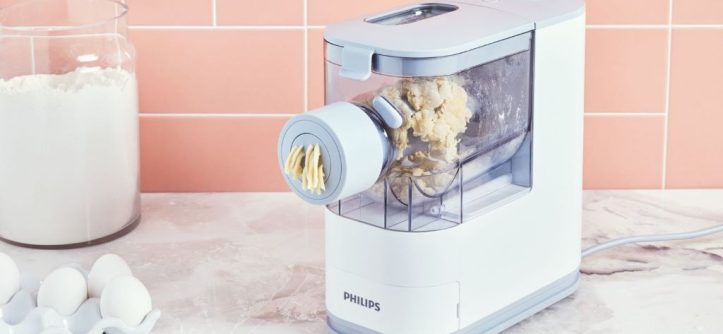
There’s something magical about the taste and texture of fresh, homemade pasta. It’s tender, flavorful, and far superior to store-bought dried pasta. But making pasta from scratch can feel overwhelming—until you discover the right tools. Enter the Philips Pasta Maker, a game-changer for home cooks who want to enjoy restaurant-quality pasta without the hassle.
In this guide, I’ll walk you through everything you need to know to choose the best Philips Pasta Maker for your kitchen. Whether you’re a beginner or a seasoned pasta lover, you’ll find tips to help you make an informed decision. And if you’re ready to dive in, check out the popular Philips Pasta Maker for a seamless pasta-making experience.
Why Choose a Philips Pasta Maker?
Making pasta at home is more popular than ever. According to recent market trends, the home pasta maker market is growing rapidly, with more people investing in kitchen appliances that make cooking easier and healthier. Philips is a trusted brand in this space, known for its innovative and user-friendly designs.
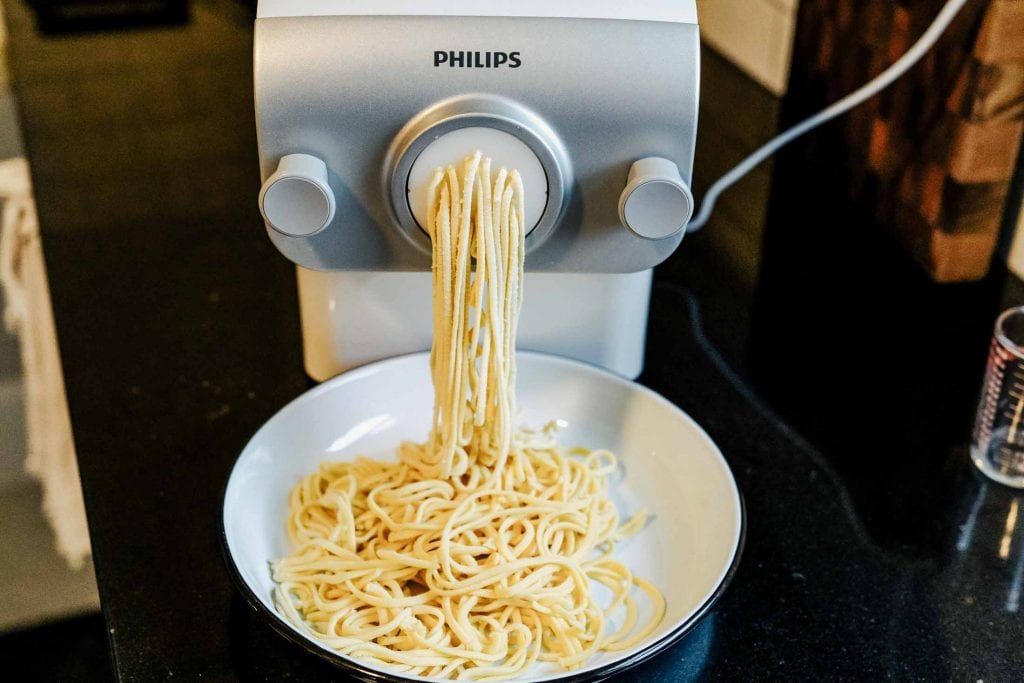
From my own experience, I remember the first time I used a Philips Pasta Maker. I was skeptical about how well it would work, but within minutes, I had fresh spaghetti ready to cook. The machine handled everything—mixing, kneading, and extruding—while I focused on preparing the sauce. It was a game-changer, especially on busy weeknights.
Philips Pasta Makers are designed to simplify the pasta-making process. They’re fully automatic, which means you just add your ingredients, select your settings, and let the machine do the rest. This makes them ideal for both beginners and experienced cooks who want to save time and effort.
Types of Philips Pasta Makers
1. Philips Viva Collection Pasta and Noodle Maker
The Philips Viva Collection is a great entry-level option. It’s compact, easy to use, and perfect for small kitchens. This model can make up to 600 grams of pasta in one go, which is enough for about six servings. It comes with four shaping discs for spaghetti, fettuccine, penne, and lasagna, so you can experiment with different pasta shapes.
Pros:
- Affordable and compact
- Easy to clean and store
- Great for beginners
Cons:
- Limited to four pasta shapes
- Smaller capacity compared to other models
2. Philips 7000 Series Pasta Maker
The Philips 7000 Series is a step up from the Viva Collection. It features ProExtrude Technology, which ensures well-kneaded dough and quick pasta output in under 10 minutes. This model also comes with eight shaping discs, allowing you to make a wider variety of pasta shapes, including tagliatelle and pappardelle.
Pros:
- More pasta shapes and versatility
- Faster and more powerful
- Ideal for larger families or meal prepping
Cons:
- More expensive than the Viva Collection
- Takes up more counter space
3. Philips Artisan Smart Pasta & Noodle Maker
The Philips Artisan Smart Pasta & Noodle Maker is the most advanced model. It includes a smart screen and companion app, making it incredibly user-friendly. This model is perfect for those who want to experiment with different flours and flavors, as it allows you to adjust hydration levels for optimal dough texture.
Pros:
- Smart features and app integration
- Highly customizable
- Best for serious pasta enthusiasts
Cons:
- Higher price point
- May be overkill for casual users
Key Features to Consider
Capacity
Think about how much pasta you typically make. If you’re cooking for a family or like to meal prep, a model with a larger capacity, such as the Philips 7000 Series, is a great choice. It can make up to 1.5 pounds of pasta in one go, which is enough for eight servings. For smaller households, the Viva Collection’s 600-gram capacity may be sufficient.
Ease of Use
Philips Pasta Makers are designed to be user-friendly, but some models are easier to use than others. The Artisan Smart Pasta & Noodle Maker, for example, includes a smart screen and app that guide you through the process. This makes it ideal for beginners or anyone who wants a hassle-free experience.
Cleaning and Maintenance
Cleaning a pasta maker can be a chore, but Philips models are designed with convenience in mind. Most parts are dishwasher-safe, and the machines are easy to disassemble. Look for models with removable parts for quick and easy cleaning.
Versatility
If you love experimenting with different pasta shapes and flavors, choose a model with multiple shaping discs. The Philips 7000 Series and Artisan Smart Pasta & Noodle Maker offer a wide variety of shapes, from spaghetti and fettuccine to penne and lasagna. This versatility allows you to get creative in the kitchen.
How to Use a Philips Pasta Maker
Using a Philips Pasta Maker is simple, but there are a few tips to ensure the best results:
- Select Your Program: Choose your preferred pasta shape and program. The machine will guide you through the process.
- Add Ingredients: Add your pasta dough ingredients to the machine. Philips Pasta Makers come with a recipe book to help you get started.
- Start the Machine: Press the start button. The machine will mix, knead, and extrude the dough automatically.
- Cook and Serve: Once the pasta is extruded, cook it in salted boiling water for about two minutes. Drain and serve with your favorite sauce.
Common Mistakes to Avoid
- Using the Wrong Dough Consistency: Philips Pasta Makers work best with low-hydration doughs. If your dough is too wet, it may not extrude properly. Stick to the recipes provided in the manual for best results.
- Overloading the Machine: Avoid overfilling the machine with ingredients. This can lead to uneven mixing and extruding.
- Skipping the Cleaning Process: Always clean your pasta maker after use to prevent dough from drying and clogging the machine.
FAQs
What is the best Philips Pasta Maker for beginners?
The Philips Viva Collection Pasta and Noodle Maker is the best choice for beginners. It’s affordable, easy to use, and compact, making it perfect for small kitchens.
Can I use gluten-free flour in a Philips Pasta Maker?
Yes! Philips Pasta Makers are versatile and can handle different types of flour, including gluten-free options. Just make sure to follow the manufacturer’s guidelines for best results.
How long does it take to make pasta with a Philips Pasta Maker?
Most Philips Pasta Makers can produce fresh pasta in as little as 10 minutes. This includes mixing, kneading, and extruding the dough.
Is a Philips Pasta Maker worth the investment?
If you love fresh pasta and want to save time in the kitchen, a Philips Pasta Maker is definitely worth the investment. It’s a convenient and efficient way to make homemade pasta without the hassle.
Can I make other types of noodles with a Philips Pasta Maker?
Yes! Philips Pasta Makers can make a variety of noodles, including spaghetti, fettuccine, penne, and lasagna. Some models even allow you to make dumplings and ravioli.
Conclusion
Choosing the right Philips Pasta Maker can transform your pasta-making experience. Whether you opt for the compact Viva Collection, the versatile 7000 Series, or the advanced Artisan Smart Pasta & Noodle Maker, you’ll enjoy fresh, homemade pasta with minimal effort.
Investing in a Philips Pasta Maker is a great way to bring the taste of Italy into your home. It’s perfect for busy families, pasta enthusiasts, and anyone who wants to enjoy healthier, homemade meals.
Have you tried making pasta with a Philips Pasta Maker? Share your experiences or favorite recipes in the comments below! And if you found this guide helpful, don’t forget to share it with your fellow pasta lovers.


Leave a Reply