
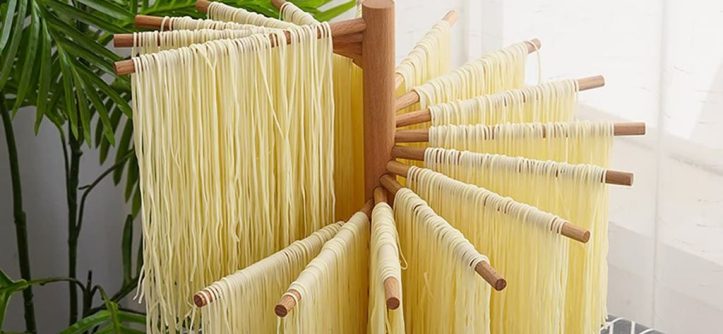
There’s nothing quite like the taste of fresh, homemade pasta. Whether you’re crafting delicate fettuccine, hearty pappardelle, or classic spaghetti, the drying process is just as important as the dough itself. Proper drying ensures your pasta holds its shape, cooks evenly, and delivers that perfect al dente bite. But with so many options on the market, how do you choose the right pasta hanging rack?
In this guide, I’ll walk you through everything you need to know to pick the best pasta hanging rack for your kitchen. From materials and design to capacity and storage, you’ll learn how to make an informed choice. And if you’re wondering where to start, check out some of the best pasta hanging racks available today.
Why Proper Pasta Drying Matters
Drying pasta isn’t just about removing moisture—it’s about setting the texture and ensuring your noodles don’t stick together. Fresh pasta is soft and pliable, but if it’s not dried correctly, it can become gummy or break apart during cooking. According to recent trends, more people are making pasta at home than ever before, with the home pasta maker market expected to grow significantly in the coming years.
From personal experience, I remember my first attempt at homemade pasta. I laid the noodles on a floured baking sheet, only to find them stuck together in a clumpy mess. That’s when I realized the value of a good drying rack. A proper rack allows air to circulate around each strand, drying the pasta evenly and preventing sticking.
Types of Pasta Hanging Racks
1. Spindle-Style Racks
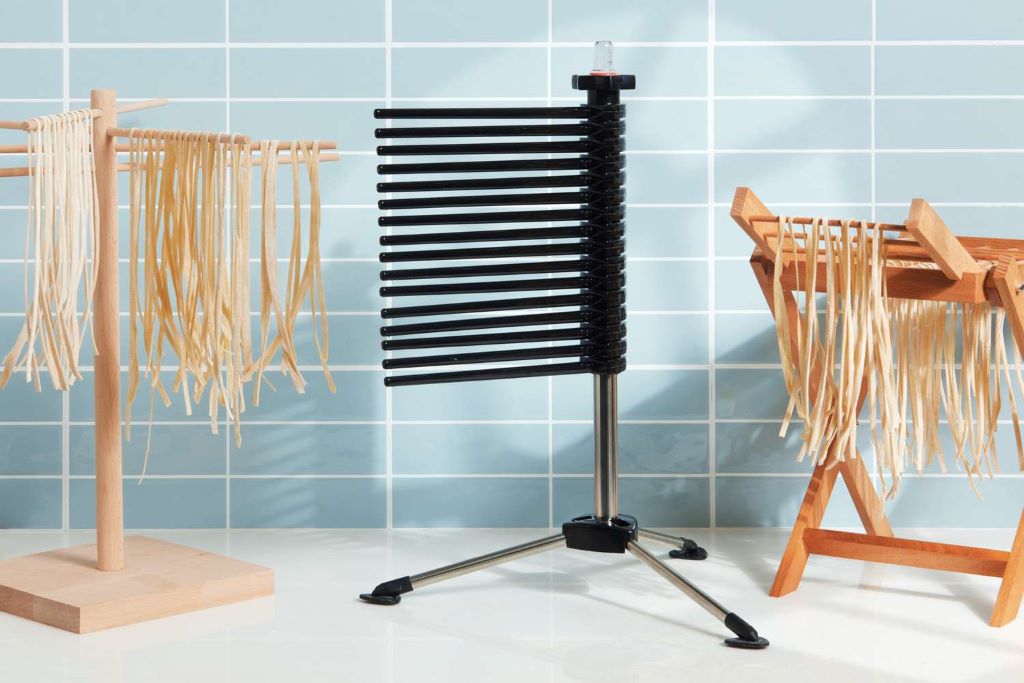
Spindle-style racks feature a central post with arms that radiate outward. These are ideal for long pasta shapes like spaghetti, linguine, or fettuccine. The arms allow you to hang strands individually, ensuring maximum airflow. Some models, like the Eppicotispai, even offer collapsible designs for easy storage.
Pros:
- Great for long pasta
- Compact and easy to store
- Even drying
Cons:
- Not ideal for short or flat pasta shapes
2. Horizontal Rod Racks
Horizontal rod racks have parallel rods that allow you to lay pasta flat or hang it. These are versatile and work well for both long and short pasta shapes. The CucinaPro rack, for example, features 12 rods, providing ample space for drying large batches.
Pros:
- Works for all pasta shapes
- Sturdy and stable
- Can hold more pasta at once
Cons:
- Takes up more counter space
3. Stackable or Tiered Racks
Stackable racks are perfect for those who make pasta in large quantities. These racks have multiple tiers, allowing you to dry several batches at once. They’re also great for small kitchens, as they maximize vertical space.
Pros:
- High capacity
- Space-efficient
Cons:
- Can be bulky when assembled
Key Features to Consider
Material
The material of your pasta hanging rack affects durability, ease of cleaning, and drying efficiency. Here are the most common options:
- Wood: Unfinished wood is a popular choice because it’s slightly absorbent, helping to wick moisture away from the pasta. It’s also sturdy and eco-friendly. However, wooden racks require hand washing and occasional oiling to prevent cracking.
- Plastic: Lightweight and easy to clean, plastic racks are often dishwasher-safe. They’re also affordable, but may not be as durable as wood or metal.
- Stainless Steel: Durable and rust-resistant, stainless steel racks are ideal for heavy use. They’re easy to clean and can hold more weight, making them a great choice for large batches.
- Bamboo: Eco-friendly and strong, bamboo racks are a sustainable option. They’re lightweight yet sturdy, and often collapsible for easy storage.
Capacity
Consider how much pasta you typically make. If you’re drying pasta for a family or meal prepping, look for a rack with at least 10-12 arms or rods. Some racks can hold up to 13 pounds of pasta, while others are designed for smaller batches.
Stability
A wobbly rack can lead to pasta disasters. Look for racks with non-slip feet or a wide base to ensure stability. Rubber feet are a plus, as they prevent the rack from sliding on smooth surfaces.
Ease of Storage
If you have limited kitchen space, a collapsible or foldable rack is a must. Many modern racks are designed to fold flat, making them easy to tuck away in a drawer or cabinet.
How to Use a Pasta Hanging Rack
Using a pasta hanging rack is simple, but there are a few tips to ensure the best results:
- Prepare Your Pasta: After cutting your pasta, dust it lightly with flour to prevent sticking.
- Hang or Lay the Pasta: For long pasta, drape strands over the arms or rods. For short pasta, lay it flat on horizontal rods.
- Allow Airflow: Make sure the pasta isn’t touching. Overcrowding can lead to uneven drying.
- Dry Time: Let the pasta dry for 30 minutes to 2 hours, depending on the humidity in your kitchen. If you’re storing the pasta, dry it until it’s leathery but not brittle.
DIY Pasta Drying Racks
If you’re feeling crafty, you can make your own pasta drying rack using materials like wooden dowels, PVC pipes, or even a coat hanger. DIY racks are a fun project and can be customized to fit your kitchen’s needs.
Materials Needed:
- Wooden dowels or PVC pipes
- Screws or strong adhesive
- Sandpaper
- Measuring tape and saw
Steps:
- Measure and cut the dowels to your desired length.
- Assemble the rack by attaching the dowels to a base.
- Sand any rough edges to prevent snagging.
- Test the rack by hanging a few strands of pasta to ensure stability.
Common Mistakes to Avoid
- Overcrowding: Too much pasta on one rack can lead to uneven drying and sticking.
- Skipping the Flour: Always dust your pasta with flour before hanging to prevent sticking.
- Improper Storage: Store your rack in a dry place to prevent warping or rust, depending on the material.
FAQs
What is the best material for a pasta hanging rack?
The best material depends on your needs. Unfinished wood is excellent for drying efficiency, while stainless steel offers durability. Plastic is lightweight and easy to clean, making it a good choice for occasional use.
How long should I dry homemade pasta?
Drying times vary, but 30 minutes to 2 hours is usually sufficient for fresh pasta. If you’re storing it, dry it until it’s leathery but not brittle.
Can I use a clothes hanger as a pasta drying rack?
Yes! A clothes hanger wrapped in plastic or a clean towel can work in a pinch. However, a dedicated pasta drying rack offers better airflow and hygiene.
How do I clean my pasta hanging rack?
Wooden racks should be wiped clean with a dry cloth. Plastic and stainless steel racks can often be washed in the dishwasher or with warm, soapy water.
Do I need a pasta drying rack if I’m cooking the pasta immediately?
While you can cook fresh pasta right away, drying it for even 30 minutes helps set the shape and improves texture. A rack ensures even drying and prevents sticking.
Conclusion
Choosing the right pasta hanging rack can make all the difference in your homemade pasta experience. Whether you opt for a spindle-style rack, a horizontal rod design, or a stackable model, consider your kitchen space, pasta-making frequency, and material preferences.
Investing in a quality rack ensures your pasta dries evenly, holds its shape, and delivers that perfect al dente bite every time. And remember, the best pasta hanging racks are those that fit seamlessly into your cooking routine.
Have you tried making homemade pasta? Share your tips or favorite drying racks in the comments below! And if you found this guide helpful, don’t forget to share it with your fellow pasta lovers.


Leave a Reply