
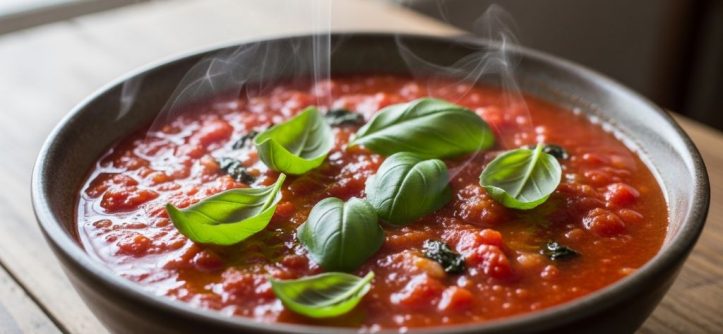
Pasta is one of the world’s most beloved comfort foods. However, the sauce you pour over it can turn a healthy meal into a calorie-heavy one. Most store-bought pasta sauces contain added sugar, oil, and preservatives. The good news is that you do not need any of those things to make a rich, flavorful sauce at home.
This guide walks you through everything you need to know about making a low calorie pasta sauce with no sugar or oil. You will learn which ingredients to use, how to build deep flavor naturally, and how to store your sauce for the week ahead.
Why Skip Sugar and Oil in Pasta Sauce?
Many people do not realize how much sugar and oil end up in a typical pasta sauce. A single half-cup serving of store-bought marinara can contain up to 10 grams of sugar and several grams of fat from added oil. Over time, these hidden extras add up.
Additionally, oil adds around 120 calories per tablespoon. It is easy to pour in two or three tablespoons without thinking. That alone can add 240 to 360 calories to your meal before the pasta even hits the bowl.
Sugar, on the other hand, is often added to balance out the acidity of tomatoes. However, there are natural ways to reduce that sharpness without reaching for the sugar jar. Therefore, cutting both ingredients out is not only possible — it actually pushes you to develop better cooking habits.
What You Need Before You Start
Before you begin cooking, gather your ingredients. You do not need anything fancy. Most of these items are already in your kitchen.
Here is what you will need for a basic low calorie pasta sauce that serves four:
- 1 can (28 oz) of whole peeled tomatoes or crushed tomatoes
- 1 medium onion, finely diced
- 4 garlic cloves, minced
- 1 medium carrot, grated
- 1 celery stalk, finely chopped
- 1 teaspoon dried oregano
- 1 teaspoon dried basil
- Half a teaspoon of red pepper flakes (optional)
- Salt and black pepper to taste
- A small handful of fresh basil leaves for finishing
- Half a cup of water or low-sodium vegetable broth
The carrot is particularly important here. It adds a natural sweetness that replaces sugar. Furthermore, it gives the sauce a slightly thicker texture. Celery adds a subtle savory depth that you would otherwise get from oil-sautéed aromatics.
How to Build Flavor Without Oil
This is the part where most people feel nervous. Oil is often used to sauté garlic and onions at the start of a sauce. It helps carry flavor and prevents sticking. However, you can achieve the same result with a different method.
The trick is to use water sautéing. Simply add two to three tablespoons of water to a pan over medium heat. Add your onions and cook them, stirring often. As the water evaporates, add a little more. This process softens the onions gently without burning them.
As the onions become translucent, add the garlic and carrot. Continue to stir and add small amounts of water as needed. This method creates a beautifully cooked base that tastes just as rich as an oil-sautéed version. Additionally, it keeps your calorie count very low.
Step-by-Step Recipe
Step 1: Prepare Your Vegetables
Dice the onion into small, even pieces. Mince the garlic finely so it melts into the sauce. Grate the carrot on the fine side of a box grater. Chop the celery into small pieces.
Taking time with this step matters. Uniform cuts mean everything cooks at the same rate. Therefore, you end up with a smooth, even-tasting sauce.
Step 2: Water Sauté the Base
Heat a wide, heavy-bottomed pan over medium heat. Add three tablespoons of water. Once the water begins to simmer, add the onion and celery. Stir frequently.
Cook for about five to seven minutes. The onions should become soft and slightly golden. Add more water one tablespoon at a time if the pan gets dry. Then add the garlic and grated carrot. Cook for another three minutes, stirring constantly.
Step 3: Add the Tomatoes
Pour in the canned tomatoes. If you are using whole peeled tomatoes, crush them with your hands as you add them to the pan. This technique releases more juice and creates a chunkier texture.
Add the dried oregano, dried basil, and red pepper flakes if you are using them. Stir everything together well. Then add the water or vegetable broth. Season with salt and black pepper.
Step 4: Simmer Low and Slow
Reduce the heat to low. Let the sauce simmer uncovered for at least 25 to 30 minutes. Stir it every five minutes or so. As it cooks, the tomatoes will break down, the carrot will sweeten the sauce, and everything will meld together beautifully.
However, if you have more time, let it simmer for up to 45 minutes. The longer it cooks, the deeper and richer the flavor becomes.
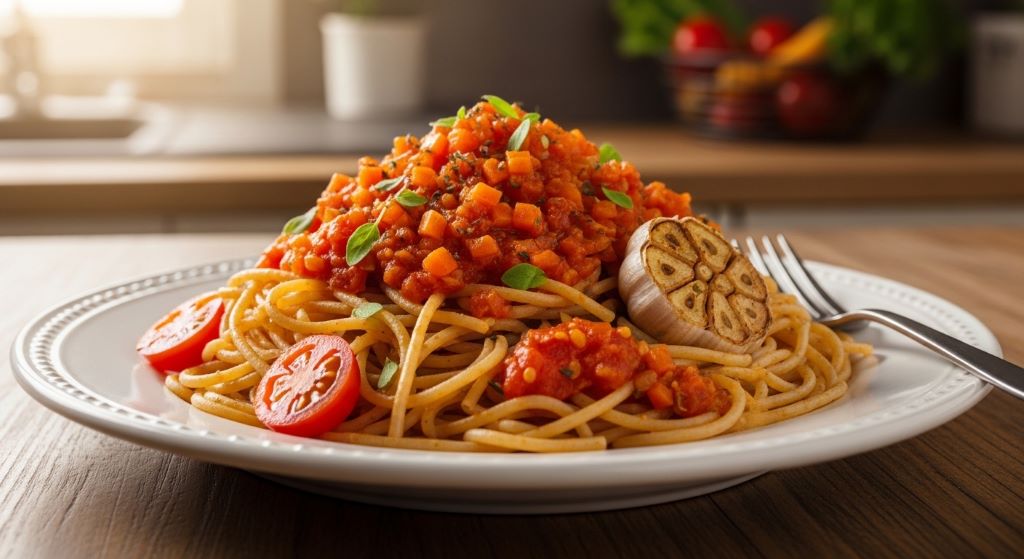
Step 5: Taste and Adjust
Before you finish, taste your sauce. If it still feels sharp or acidic, add a small pinch of baking soda. This neutralizes acidity instantly. You only need a tiny amount — about one-eighth of a teaspoon. Stir it in and taste again.
Additionally, check the seasoning. Add more salt, pepper, or herbs as needed. At this stage, you can also blend part of the sauce with an immersion blender if you prefer a smoother texture.
Step 6: Finish With Fresh Basil
Tear the fresh basil leaves and stir them into the sauce just before serving. Heat destroys the flavor of fresh basil quickly, so always add it at the end. This step makes a noticeable difference in the final taste.
Variations to Try
Once you master the basic recipe, you can easily adapt it. Here are a few ideas:
- Add a handful of baby spinach at the end for extra nutrients.
- Stir in white beans for added protein without meat.
- Use roasted red peppers instead of fresh carrot for a smokier flavor.
- Add finely chopped mushrooms to the base for a meaty texture without any meat.
- Toss in sun-dried tomatoes (in water, not oil) for an intense tomato flavor.
Each variation keeps the sauce oil-free and sugar-free. Furthermore, each one stays low in calories while adding new layers of flavor.
How Many Calories Are in This Sauce?
This is one of the best parts. A half-cup serving of this homemade low calorie pasta sauce contains approximately 45 to 60 calories. Compare that to a typical store-bought sauce with 80 to 100 calories per half cup, plus the added sugar and oil.
Therefore, by making your own sauce, you can enjoy a generous portion without worrying about the numbers. Pair it with a whole-grain pasta and a simple salad, and you have a balanced, satisfying meal.
How to Store Your Sauce
This sauce stores very well. Let it cool completely before transferring it to an airtight container. In the refrigerator, it will last for up to five days. Additionally, you can freeze it in portions for up to three months.
Freezing in ice cube trays first works particularly well. Once frozen, transfer the cubes to a freezer bag. Then you can thaw exactly as much as you need. This approach is ideal for meal planning throughout the week.
Tips for Getting the Best Results Every Time
A few small habits make a big difference when making this sauce:
- Use the best quality canned tomatoes you can find. San Marzano tomatoes are a popular choice for their natural sweetness and low acidity.
- Do not rush the simmer. Low, slow cooking brings out the natural sugars in the vegetables.
- Season in layers. Add a little salt at each stage rather than all at once at the end.
- Keep a lid nearby. If the sauce is reducing too quickly, partially cover the pan.
- Stir often. This prevents the sauce from sticking to the bottom of the pan, especially since there is no oil.
Conclusion
Making a low calorie pasta sauce with no sugar or oil is easier than most people think. The key is using the right vegetables, building flavor through water sautéing, and giving the sauce enough time to develop. By swapping oil for water sautéing and using carrots to replace sugar, you end up with a sauce that is naturally sweet, deeply savory, and wonderfully satisfying.
Additionally, this sauce is incredibly versatile. You can use it on pasta, spread it on homemade pizza, or dip bread into it. It stores well in the fridge and freezes perfectly for busy weeknights. Therefore, making a big batch on the weekend is always a smart idea.
The next time you reach for a jar from the grocery store, consider making your own instead. Your waistline and your taste buds will both thank you.
Frequently Asked Questions
1. Can I use fresh tomatoes instead of canned?
Yes, you absolutely can. Use about 1.5 pounds of ripe fresh tomatoes. Blanch them briefly in boiling water, peel off the skins, and then crush them before adding to the pan. Fresh tomatoes work best in summer when they are at peak ripeness.
2. How do I reduce the acidity of tomato sauce without sugar?
There are several natural methods. Adding a grated carrot is the most effective. A tiny pinch of baking soda also works quickly. Additionally, cooking the sauce longer over low heat naturally mellows the acidity of the tomatoes.
3. Is this sauce suitable for weight loss?
Yes, it is an excellent choice. With approximately 45 to 60 calories per half-cup serving and no added sugar or oil, it fits easily into most weight loss plans. It is also high in fiber and vitamins from the vegetables.
4. Can I make this sauce in a slow cooker?
Absolutely. After completing the water sauté step on the stovetop, transfer everything to a slow cooker. Cook on low for four to six hours or on high for two to three hours. The result is an incredibly rich, deeply flavored sauce.
5. Why does my sauce taste bitter?
Bitterness in tomato sauce usually comes from overcooking garlic or using low-quality canned tomatoes. Make sure to add garlic after the onions are soft, and cook it gently. Additionally, choose a reputable brand of canned tomatoes, as quality varies significantly.
Related Topics:
Unlock the Secret to Aromatic Wood Smoked Pasta Flavors: Elevate Your Culinary Game
Fruit-Infused Pasta: The Sweet Revolution Transforming Your Smart Pasta Maker Experience


Leave a Reply