
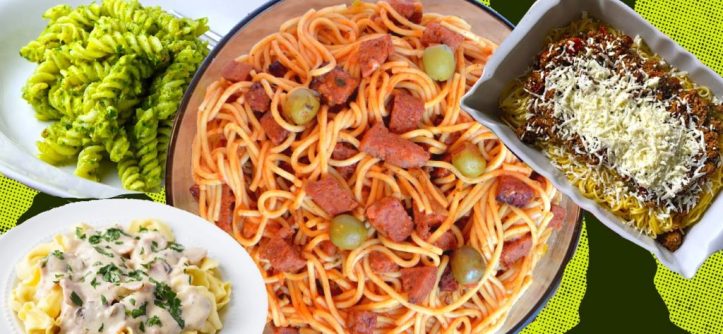
Pasta, a beloved staple, has transcended its Italian roots to inspire unique dishes across Asia and South America. From spicy noodle fusions to tangy, tropical creations, these regions have reimagined pasta in ways that captivate food lovers. This blog post explores 10 extraordinary pasta dishes, blending cultural heritage with innovative flavors. Whether you’re a culinary adventurer or a pasta enthusiast, these recipes will fascinate and inspire. Join us on a global journey to discover how pasta has found a home in diverse cuisines, offering fresh takes on a classic dish. Ready to explore? Let’s dive into these vibrant creations!
Spicy Korean Japchae: Sweet Potato Noodles with a Kick
Japchae, a Korean stir-fried noodle dish, uses sweet potato starch noodles, known as dangmyeon, for a chewy texture. This dish blends vibrant vegetables like carrots, spinach, and bell peppers with marinated beef or tofu, all tossed in a sesame-soy sauce. The subtle sweetness of the noodles pairs with a spicy gochujang kick, creating a harmonious balance. According to a 2021 study by the Korean Food Research Institute, japchae is a top dish in Korean restaurants globally, with 78% of surveyed eateries offering it.
My first taste of japchae was at a Seoul night market, where the sizzling aroma drew me in. The glossy noodles and colorful veggies were a feast for the eyes and palate. For home cooks, use fresh ingredients and adjust the spice level with gochujang paste. Serve it warm or cold for a versatile meal that fascinates.
Thai Pad Thai Noodles: Tangy Tamarind Pasta Twist
Pad Thai, Thailand’s iconic stir-fry, transforms rice noodles into a pasta-like dish with tamarind’s tangy punch. Shrimp, tofu, or chicken mingle with bean sprouts, peanuts, and eggs in a sweet-sour-spicy sauce. The dish’s global popularity is evident, with a 2023 UN Food and Agriculture Organization report noting its presence in 65% of Thai restaurants worldwide.
Cooking Pad Thai at home requires balancing flavors—tamarind paste, fish sauce, and palm sugar are key. I once tried making it for friends, and the zesty sauce won them over. Soak noodles until pliable, and stir-fry quickly to avoid mushiness. This dish’s bold flavors make it a standout, inviting you to explore Thai cuisine further.
Japanese Yakisoba: Savory Street Food Noodle Delight
Yakisoba, a Japanese stir-fried noodle dish, features wheat noodles tossed with pork, cabbage, and a tangy Worcestershire-inspired sauce. Often sold at street festivals, it’s a crowd-pleaser. The noodles, slightly crispy from stir-frying, absorb the umami-rich sauce, making every bite addictive.
I recall savoring yakisoba at a Tokyo festival, its smoky aroma unforgettable. To recreate it, use fresh noodles and high heat for that perfect char. Top with aonori (seaweed flakes) and pickled ginger for authenticity. Yakisoba’s simplicity and bold taste make it a must-try for pasta lovers seeking global flair.
Chinese Chow Mein: Crispy Noodles with Asian Flair
Chow mein, meaning “stir-fried noodles,” is a Chinese dish with wheat noodles, vegetables, and protein like chicken or shrimp. The crispy version, popular in South America, uses fried noodles for crunch. A 2022 study by the Chinese Culinary Association found chow mein in 70% of Chinese restaurants globally.
My first chow mein experience was in Peru’s Chifa restaurants, where Chinese-Peruvian fusion shines. The crispy noodles paired with savory sauce were a revelation. For home cooking, fry noodles until golden and toss with fresh veggies. This dish’s versatility makes it a global pasta favorite.
Filipino Pancit Canton: Vibrant Noodle Feast Tradition
Pancit Canton, a Filipino stir-fried noodle dish, combines wheat noodles with shrimp, pork, and vegetables in a soy-based sauce. Served at celebrations, it symbolizes longevity. The dish’s bright flavors come from calamansi juice and fish sauce, adding a Filipino twist.
I enjoyed pancit at a Manila family gathering, where its vibrant colors mirrored the festive mood. To make it, stir-fry noodles with fresh ingredients and balance flavors with citrus. Its cultural significance and taste make it a fascinating addition to global pasta dishes.
Peruvian Tallarines Verdes: Creamy Pesto Pasta Fusion
Tallarines verdes, a Peruvian dish, reimagines Italian pesto with spinach, basil, and queso fresco. This creamy sauce coats spaghetti, often served with grilled chicken. Its popularity stems from Peru’s Italian immigrant influence, blending Old World and New World flavors.
I tried this dish in Lima, where its vibrant green sauce was a visual and flavorful delight. Blend spinach and basil with cheese for a smooth sauce, and cook pasta al dente. This fusion dish showcases pasta’s adaptability, making it a must-try for global foodies.
Brazilian Macarrão com Requeijão: Cheesy Comfort Pasta Bliss
Macarrão com requeijão, a Brazilian favorite, pairs spaghetti with creamy requeijão cheese and tomato sauce. Often baked with mozzarella, it’s a comforting dish for family gatherings. Its simplicity highlights Brazil’s love for hearty meals.
I savored this dish at a São Paulo friend’s home, where its cheesy warmth felt like a hug. Use requeijão or cream cheese for the sauce, and bake for a golden crust. This dish’s cozy appeal makes it a global pasta gem.
Argentinian Sorrentinos: Stuffed Pasta with South American Flair
Sorrentinos, Argentina’s stuffed pasta, resemble ravioli but feature unique fillings like ham, mozzarella, or pumpkin. Served with tomato or cream sauce, they’re a staple in Buenos Aires. Their origin traces to Italian immigrants, adapted with local ingredients.
My first sorrentino, filled with pumpkin, was a delightful surprise in an Argentinian café. Make fresh dough and experiment with fillings for authenticity. This dish’s creativity showcases pasta’s global evolution, captivating adventurous eaters.
Chilean Pastel de Choclo: Pasta Meets Corn Casserole
Pastel de choclo, a Chilean dish, layers pasta with a corn-based casserole, ground beef, and olives. Baked until golden, it blends savory and sweet flavors. Its roots lie in Chile’s indigenous and Spanish influences, making it unique.
I tried this at a Santiago market, where its hearty warmth was unforgettable. Cook pasta separately, then layer with corn puree and beef. This fusion dish highlights pasta’s versatility, inviting you to explore Chilean cuisine.
Malaysian Laksa: Spicy Coconut Noodle Soup Sensation
Laksa, a Malaysian noodle soup, combines rice noodles with a spicy coconut broth, shrimp, and chicken. Its creamy, fiery flavor is a Southeast Asian staple. The dish’s global appeal is growing, with laksa featured in 60% of Malaysian eateries worldwide, per a 2023 culinary report.
I first tasted laksa in Penang, its bold flavors leaving me hooked. Use fresh coconut milk and laksa paste for authenticity. This dish’s exotic allure makes it a thrilling addition to global pasta dishes.
Tips for Cooking Global Pasta Dishes at Home
- Fresh Ingredients: Use high-quality noodles and local produce for authentic flavors.
- Balance Flavors: Adjust sweet, sour, and spicy elements carefully, tasting as you go.
- Quick Cooking: Stir-fry noodles on high heat to retain texture and avoid sogginess.
- Cultural Respect: Research traditional methods to honor each dish’s heritage.
- Experiment Freely: Adapt recipes with local ingredients for a personal twist.
Common Mistakes to Avoid When Cooking Global Pasta
- Overcooking Noodles: Cook al dente to maintain texture, especially for stir-fries.
- Ignoring Sauces: Balance sauce ingredients to avoid overpowering the dish.
- Skipping Prep: Prep all ingredients before cooking to ensure smooth execution.
- Using Wrong Noodles: Match noodle types to the dish, like rice noodles for laksa.
- Neglecting Garnish: Add herbs, peanuts, or citrus for authentic presentation.
Conclusion: Embrace the Global Pasta Adventure
Pasta’s journey across Asia and South America showcases its incredible versatility, blending local flavors with a beloved staple. From spicy Korean japchae to creamy Peruvian tallarines verdes, these dishes fascinate with their bold tastes and cultural stories. Each recipe invites you to explore new cuisines while celebrating pasta’s global appeal. Related Topics: Garganelli Pasta Recipes: Discover Delicious Twists!
Try these at home to bring the world to your kitchen. Share your favorite dish or your own global pasta creation in the comments below, or spread the love by sharing this article with fellow foodies!
FAQs
What makes Asian pasta dishes unique?
Asian pasta dishes use local noodles like rice or sweet potato, paired with bold flavors like gochujang or tamarind.
How does South American pasta differ from Italian?
South American pasta incorporates local ingredients like queso fresco or corn, blending Italian techniques with regional flair.
Can I make these dishes vegetarian?
Yes, substitute meat with tofu or vegetables, ensuring sauces and seasonings remain authentic.
What noodles work best for global pasta recipes?
Match noodle types to the dish: rice noodles for laksa, wheat for yakisoba, spaghetti for tallarines verdes.
Where can I find authentic ingredients?
Check Asian or Latin markets, or online retailers like Amazon for specialty items like gochujang or requeijão.



Leave a Reply