
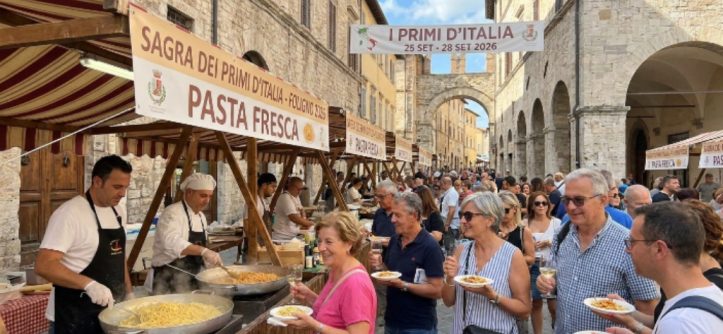
Italy knows how to celebrate food. And when it comes to pasta, no event does it better than the beloved annual festival held in the heart of Umbria. I Primi d’Italia 2026 is officially confirmed for September 24–27, 2026, in the medieval town of Foligno, province of Perugia. Four days of tastings, chef demonstrations, cooking classes, and cultural celebrations await visitors from across Italy and beyond.
If you have ever wanted to eat your way through Italy’s most iconic first courses in one spectacular setting, this is your chance.
What Is I Primi d’Italia?
I Primi d’Italia is Italy’s first and only national festival dedicated entirely to first courses, known as “primi piatti” in Italian. Since its founding in 2000, it has grown into one of the country’s most anticipated culinary events. The festival celebrates pasta, risotto, gnocchi, polenta, and soups — the dishes that anchor the Italian table.
The event is not just about eating. It is about understanding and honouring the deep cultural role that the first course plays in Italian life. Therefore, every edition combines food with education, entertainment, and community.
When and Where: Key Event Details
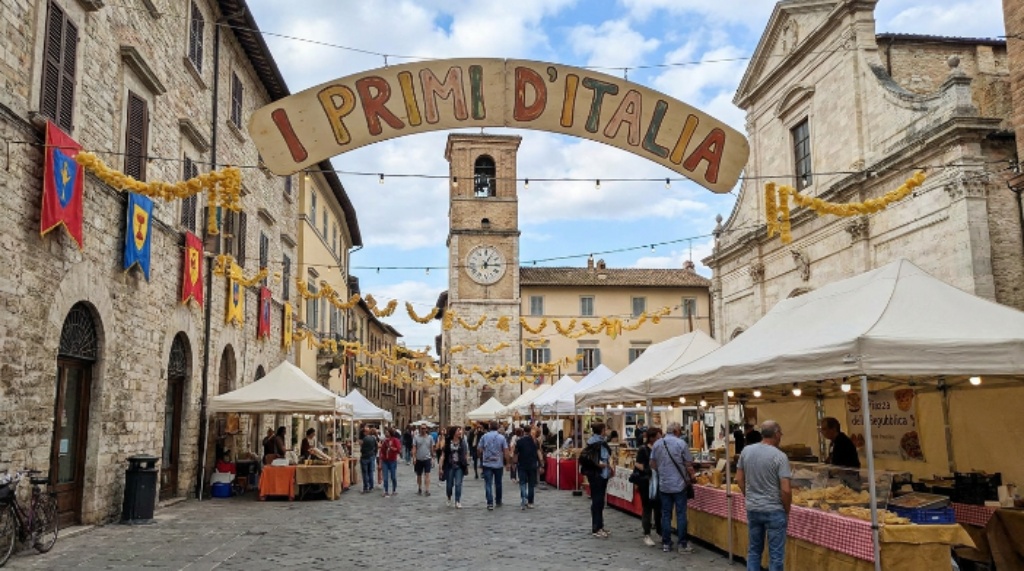
The 2026 edition runs from September 24 to 27. Foligno’s entire historic centre transforms into what organizers call a “culinary marathon.” Streets, piazzas, courtyards, and historic palazzi all become part of the festival experience.
Foligno is a practical choice for visitors. It sits along the main rail line between Rome and Ancona, making it easily accessible by train. The town is also close to Assisi, Spoleto, and Perugia, which means you can pair the festival with broader Umbrian sightseeing.
Late September in Umbria brings pleasant weather — warm days, cool evenings, and none of summer’s intense heat. It is genuinely one of the best times of year to visit this part of Italy.
The Festival Layout: Villaggi del Gusto
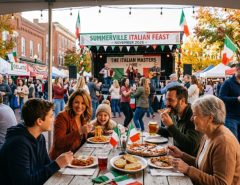
One of the most charming aspects of this event is how it uses the city itself as its venue. The festival is organized around themed areas called Villaggi del Gusto, or Taste Villages. Each village focuses on a specific type of first course or regional tradition.
Past editions have featured villages dedicated to creative pasta recipes, Umbrian specialties, gluten-free options, rice and risotto, street food, and artisan food producers. Visitors stroll from village to village, tasting as they go.
Additionally, a dedicated pasta market lets visitors purchase fresh handmade pasta, unusual shapes, artisan sauces, and high-quality ingredients to take home. This makes the festival as much a shopping destination as a tasting one.
Top Chefs and Cooking Demonstrations
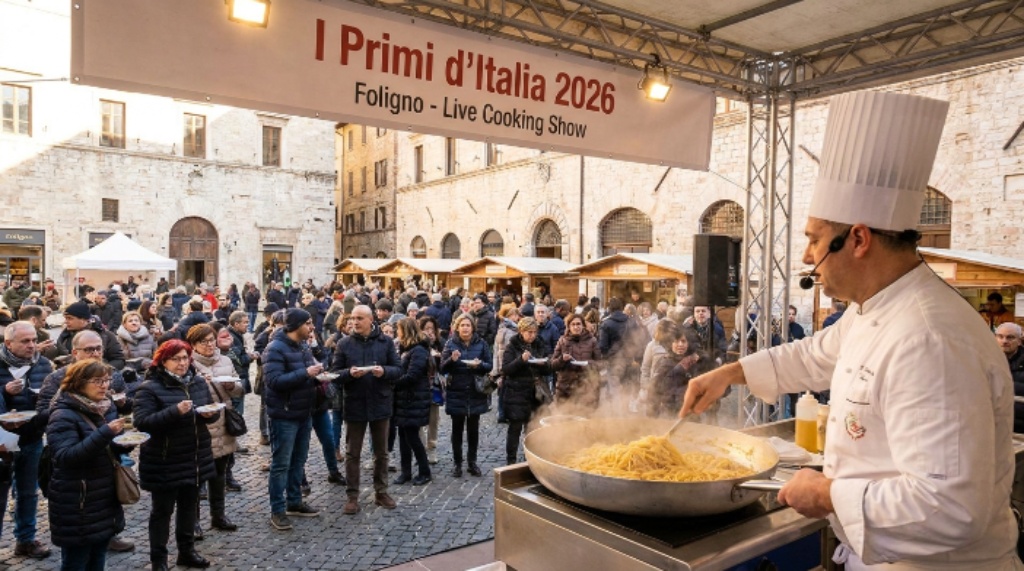
The chef lineup is always a major highlight. Starred chefs and celebrated culinary figures gather in Foligno each year to showcase their craft. Past editions have welcomed prominent names such as Cristina Bowerman, Gennaro Esposito, and Davide Scabin, chefs who represent the best of contemporary Italian cuisine.
For the 2026 edition, the full confirmed chef roster will be announced closer to the event date. However, based on the festival’s track record, attendees can expect a strong mix of Michelin-starred talent and passionate regional cooks.
These chefs do not simply present plates of food. They cook live in front of audiences, explain their techniques, and answer questions. This format makes even complex culinary ideas accessible to everyday food lovers. Therefore, you do not need a culinary background to enjoy and learn from these demonstrations.
Pasta Tastings: What to Expect
Tastings are the heartbeat of the festival. Visitors can sample over a hundred different recipes across the four days. Prices at individual stands are kept affordable, typically ranging from a few euros per portion. Many editions use a token or voucher system, where visitors buy credits at central kiosks and exchange them at food stalls.
The variety is genuinely impressive. You might taste a classic cacio e pepe from Lazio, a rich ragù from Bologna, a saffron-infused pasta from Abruzzo, and a gnocchi topped with Umbrian black truffle — all within the same afternoon. Additionally, gluten-free options have become a growing part of the offering, catering to visitors with dietary needs.
Umbrian local specialties deserve special mention. The region produces exceptional ingredients, including black truffles from Norcia, Colfiorito red potatoes used in gnocchi, Cannara onions, and Sagrantino wine from Montefalco. Many of these appear in dishes throughout the festival.
Cooking Classes and Workshops
Beyond tastings, the festival offers hands-on cooking classes where participants learn to make pasta from scratch. These sessions are popular and often fill up quickly, so early booking is recommended once schedules are published.
Workshops also cover topics like healthy eating, the history of Italian pasta, regional culinary traditions, and food sustainability. Journalists, nutritionists, and food historians join expert chefs to lead these sessions, making them both informative and engaging.
The festival is family-friendly as well. A dedicated children’s workshop called “Mani in Pasta,” which loosely translates to “hands in the dough,” lets young visitors get involved in pasta-making alongside parents. This makes the event an excellent choice for families travelling with children.
Entertainment and Cultural Programming
Food is central, but the festival offers much more. Live music performances fill the evenings, with bands playing across various piazzas in the historic centre. The combination of medieval architecture, candlelit streets, and the aroma of freshly cooked pasta creates a genuinely memorable atmosphere.
Cultural exhibitions and art installations often accompany the culinary programme. These explore themes related to Italian food heritage, the history of wheat cultivation, and the evolution of Italian regional cuisines. Therefore, even guests who are not dedicated foodies find plenty to engage with.
Planning Your Visit
Entry to the festival grounds is generally free, though specific tastings, cooking classes, and chef dinners carry separate costs. Accommodation in Foligno books up fast during festival weekend. Booking your hotel or apartment several weeks in advance is strongly advised.
Comfortable shoes are essential. The festival covers cobblestoned streets and multiple venues spread across a wide area. Evenings can turn cool in late September, so a light jacket is worth packing. Arriving earlier in the day helps you avoid the longest queues at popular stalls.
For travel, Trenitalia is an official partner of the festival, and trains from Rome reach Foligno in just over an hour. From Perugia, the journey takes approximately 30 minutes. This makes a day trip entirely possible, though staying overnight gives you a fuller experience.
Conclusion
I Primi d’Italia 2026, running from September 24 to 27 in Foligno, Umbria, is one of Europe’s most unique and joyful food festivals. It brings together top chefs, traditional recipes, artisan producers, and curious food lovers in a setting that feels genuinely Italian. Over four days, the historic town becomes a living celebration of pasta and first-course culture.
Whether you come for the tastings, the chef demonstrations, the cooking classes, or simply the atmosphere, you will leave with a deeper appreciation for Italy’s most beloved culinary tradition. Plan early, book your accommodation in advance, and come hungry.
Frequently Asked Questions
1. When does I Primi d’Italia 2026 take place?
The festival runs from September 24 to 27, 2026, in Foligno, in the province of Perugia, Umbria, Italy.
2. Is entry to the festival free?
General access to the festival grounds is typically free. However, individual tastings, cooking classes, and special chef dinners usually carry a separate charge, often managed through a token or voucher system on-site.
3. How do I get to Foligno for the festival?
Foligno is easily accessible by train on the Rome–Ancona line. The journey from Rome takes just over an hour. From Perugia, the trip is approximately 30 minutes. Trenitalia has historically been an official travel partner of the event.
4. What types of food can I try at the festival?
The festival features pasta, risotto, gnocchi, soups, polenta, and regional specialties from across Italy. Gluten-free options are also available. Umbrian local products such as black truffles, Colfiorito potatoes, and Sagrantino wine feature prominently.
5. Is the festival suitable for children?
Yes, the festival is family-friendly. A children’s workshop called “Mani in Pasta” invites young visitors to try pasta-making in a fun, hands-on setting. The outdoor layout also makes it easy for families to move around comfortably.


Leave a Reply