
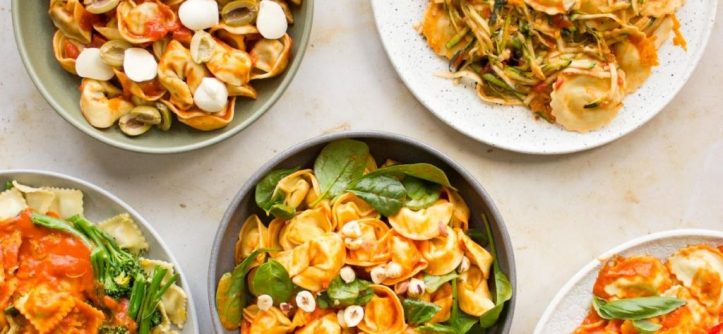
Pasta, a beloved staple, transcends borders, uniting cultures through unique recipes and traditions. From Italy’s classic spaghetti to Japan’s ramen-inspired dishes, pasta adapts to local flavors, showcasing global creativity. This blog explores how diverse societies embrace pasta, transforming it into dishes that reflect their heritage. We’ll dive into culinary techniques, regional ingredients, and fascinating stories, educating you on pasta’s worldwide journey. Whether you’re a foodie or a curious cook, discover how this simple dish becomes extraordinary across continents. Join us to uncover pasta’s universal appeal and cultural significance.
Pasta’s Italian Roots: The Birthplace of Culinary Tradition
Pasta’s story begins in Italy, where it’s more than food—it’s heritage. Originating around the 12th century, Italians perfected pasta-making with durum wheat, creating shapes like tagliatelle and ravioli. Each region boasts distinct recipes, like Rome’s carbonara or Sicily’s pasta alla norma. According to a 2023 study by the Italian National Institute of Statistics, Italians consume 23.5 kg of pasta per capita annually, showcasing its cultural weight. Techniques like hand-rolling dough remain cherished, preserving authenticity.
My first taste of authentic Italian pasta was in Bologna, where a nonna taught me to make tortellini. The delicate folds and rich broth left a lasting impression. Today, Italy’s influence inspires global pasta dishes, but each culture adds its own flair. From fresh to dried varieties, pasta’s versatility allows it to adapt, making it a canvas for culinary creativity worldwide.

Asian Adaptations: Pasta Meets Eastern Flavors
In Asia, pasta takes on bold, vibrant identities. Japan’s yaki udon blends thick noodles with soy sauce and vegetables, while China’s lo mein incorporates stir-fried wheat noodles. These dishes reflect local tastes, using ingredients like miso or sesame oil. A 2022 report by the Food and Agriculture Organization noted that Asia’s noodle consumption rivals Europe’s, with China alone producing 45% of global wheat noodles. Techniques like wok-frying add unique textures, distinct from Italian methods.
I recall slurping spicy ramen in Tokyo, marveling at how broth transformed simple noodles into a soul-warming dish. Asian pasta often emphasizes umami, with ingredients like seaweed or chili paste. From Thailand’s pad thai to Korea’s japchae, these dishes showcase pasta’s ability to absorb local flavors. Cooking methods, like quick stir-fries, ensure pasta remains a fast, flavorful meal across Asia.
Middle Eastern Magic: Pasta in Spiced Symphonies
Middle Eastern cuisines weave pasta into aromatic dishes, blending spices and grains. In Egypt, koshari—a mix of lentils, pasta, and tomato sauce—reigns as street food. Lebanon’s moghrabieh, pearl-like pasta, pairs with chickpeas and cumin. These dishes highlight pasta’s role in hearty, spiced meals. Preparation often involves slow-cooking, allowing flavors to meld, unlike Asia’s quick stir-fries.
During a trip to Cairo, I tried koshari from a bustling vendor. The tangy sauce and crispy onions made it unforgettable. Middle Eastern pasta dishes often use affordable ingredients, making them accessible. Spices like za’atar or sumac add depth, transforming simple noodles into vibrant meals. This region’s approach shows pasta’s flexibility, adapting to bold, aromatic profiles while maintaining its comforting essence.
Latin American Twists: Pasta with a Fiesta of Flavors
Latin America infuses pasta with lively, colorful ingredients. In Mexico, fideo seco uses thin noodles in a smoky chipotle sauce, while Peru’s tallarines verdes blend pasta with creamy basil pesto. These dishes reflect local produce, like avocados or chilies. Cooking techniques, such as toasting noodles before simmering, add distinct textures, setting them apart from European styles.
I once enjoyed sopa de fideo at a Mexican friend’s home, where the toasted noodles absorbed a rich tomato broth. It felt like a hug in a bowl. Latin American pasta dishes often incorporate corn, beans, or tropical fruits, creating unique flavor profiles. This region’s vibrant approach demonstrates pasta’s ability to merge with bold, festive ingredients, making every bite a celebration of culture.
African Innovations: Pasta’s Role in Diverse Dishes
Africa’s pasta dishes reflect its diverse landscapes and histories. In Ethiopia, pasta pairs with berbere-spiced sauces, while North Africa’s couscous—tiny pasta granules—stars in tagines. These dishes use local grains and spices, adapting pasta to regional palates. Preparation often involves steaming or communal cooking, emphasizing shared meals.
Trying couscous in Morocco was a revelation; the fluffy texture and fragrant spices were unlike any pasta I’d tasted. African pasta dishes often prioritize affordability, using ingredients like millet or lentils. This continent’s culinary creativity shows pasta’s universal appeal, blending tradition with innovation to create comforting, flavorful meals that resonate with local communities.

Tips for Cooking Global Pasta Dishes at Home
Want to recreate pasta’s global flavors? Here are practical tips:
- Choose the Right Pasta: Match shapes to sauces—thick noodles for stir-fries, small shapes for soups.
- Source Authentic Ingredients: Use miso for Asian dishes or berbere for African recipes.
- Master Techniques: Learn wok-frying for Asian noodles or toasting for Latin American fideo.
- Experiment with Spices: Try za’atar for Middle Eastern flair or chipotle for Mexican zest.
- Keep It Simple: Focus on fresh, local ingredients to let flavors shine.
These tips ensure authentic, delicious results. Explore global recipes to expand your culinary horizons.
Common Mistakes to Avoid When Cooking Global Pasta
Avoid these pitfalls for better pasta dishes:
- Overcooking Noodles: Cook al dente to maintain texture, especially for stir-fries.
- Ignoring Regional Spices: Skipping key ingredients like sumac or miso dulls flavors.
- Using Wrong Pasta Shapes: Pair shapes with sauces for balanced dishes.
- Overcomplicating Recipes: Stick to traditional methods for authenticity.
- Neglecting Fresh Ingredients: Fresh herbs and vegetables elevate global pasta.
Avoiding these errors ensures your dishes capture the essence of global cuisines.
Pasta’s Universal Appeal: A Global Comfort Food
Pasta’s ability to adapt makes it a global comfort food. Whether it’s Italy’s creamy carbonara, Japan’s umami-packed ramen, or Mexico’s spicy fideo, pasta reflects cultural identity. Its affordability and versatility allow communities to create dishes that resonate. From street food to family dinners, pasta unites people across borders, proving food’s power to connect. Related Topics: Ravioli Pasta Recipe: Homemade Delight in Under 60 Min!
Trying pasta dishes worldwide has shown me its universal language. Each culture transforms pasta, yet its comforting essence remains. Next time you cook, experiment with global recipes to celebrate this diversity. Share your favorite pasta dish in the comments or spread this article to inspire others!
FAQs
How Did Pasta Spread Globally?
Pasta spread through trade and migration, adapting to local ingredients and tastes over centuries.
What’s the Most Popular Pasta Dish Worldwide?
Spaghetti bolognese is widely loved, with variations in many countries, reflecting local flavors.
Can I Use Any Pasta for Global Recipes?
No, match pasta shapes to sauces—thick noodles for Asian stir-fries, small shapes for soups.
How Do I Make Authentic Asian Noodles?
Use fresh ingredients like soy sauce or miso and master wok-frying for perfect texture.
Why Is Pasta So Versatile?
Its neutral flavor and varied shapes make it a canvas for global ingredients and techniques.



Leave a Reply