

To roll out perfect pasta sheets, roll the dough to your desired thickness and cut it into sections. Maintain a consistent rolling speed and roll the dough through each roller setting twice to ensure even thickness.
Rest the dough between kneading and rolling to allow the gluten to relax and soften, making it easier to work with. For hand-rolling, wrap the dough around a rolling pin and push it away from you while keeping it on the table in place.
From proportions to using the rolling pin correctly, follow these tips to achieve pasta dough like a nonna. For more specifics, refer to online video tutorials or consult a beginner’s guide on making fresh homemade pasta. Perfectly rolled pasta sheets are an essential component of delicious Italian dishes like lasagna, ravioli, and fettuccine. However, achieving that flawless texture and thickness can be a challenge for many. Whether using a pasta machine or hand-rolling, there are certain techniques and tips to ensure success in creating those desirable pasta sheets. This article explores the process of rolling out pasta dough, providing step-by-step guidance and expert advice. From understanding the right thickness to overcoming common challenges, you’ll gain the knowledge and confidence to roll out perfect pasta sheets every time. So let’s delve into the details and master the art of creating homemade pasta that will impress even the most discerning palates.
Tips For Rolling Homemade Pasta Dough
Rolling out homemade pasta dough can seem intimidating, but with the right techniques, you can achieve perfect pasta sheets every time. Here are some tips to help you roll your dough evenly and ensure consistent thickness and texture.
Maintaining A Consistent Rolling Speed
When using a hand crank pasta roller, it is important to maintain a consistent rolling speed. This helps ensure that the dough is rolled out evenly and prevents it from tearing or becoming misshapen. Aim for a steady and smooth rolling motion to achieve the best results.
Rolling The Dough Through Each Roller Setting Twice
To ensure that the dough remains evenly thick and well shaped, it is recommended to roll it through each roller setting twice. This allows the dough to be stretched and shaped properly, creating a satiny texture and even thickness. Adjust the roller setting gradually, starting with the widest setting and progressively narrowing it until you reach your desired thickness.
Ensuring Even Thickness And Texture
When rolling out pasta dough, it is essential to achieve even thickness and texture throughout the sheet. This can be accomplished by ensuring that the dough is rolled out consistently across its entire surface. Roll until you achieve the desired thickness, paying attention to any uneven areas and adjusting accordingly. This will help prevent uneven cooking and ensure a consistent texture in your finished pasta.
Remember, practice makes perfect when it comes to rolling homemade pasta dough. With time and experience, you will develop a feel for the dough and be able to adjust your technique accordingly. Follow these tips and enjoy the satisfaction of rolling out perfect pasta sheets for your next culinary masterpiece!
Using A Pasta Machine To Roll Pasta Dough
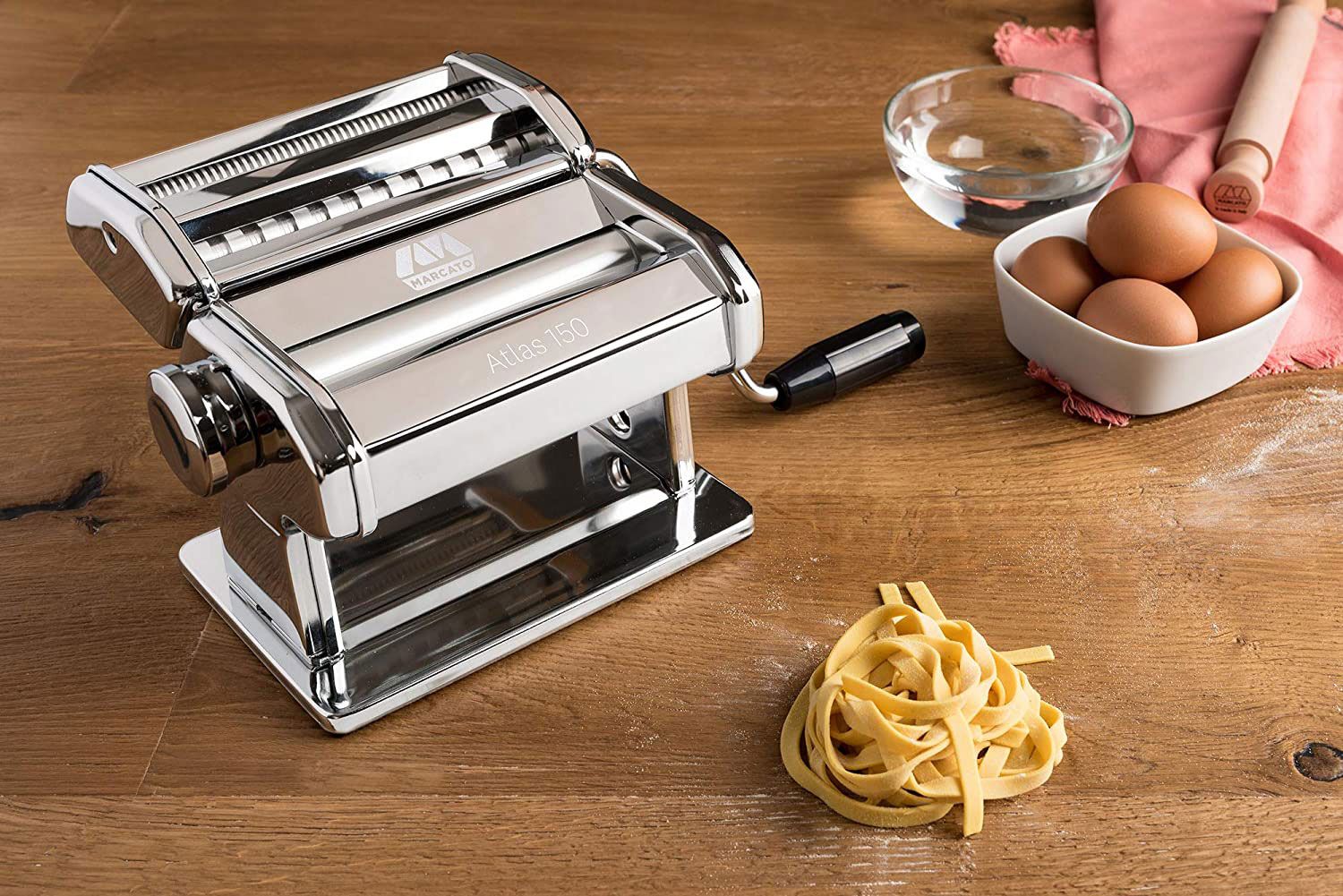
To roll out perfect pasta sheets using a pasta machine, start by running the dough through the rollers at the widest setting. Fold the dough in half and continue rolling it through each setting twice, making sure to maintain a consistent rolling speed.
Roll until the desired thickness is achieved. Resting the dough between kneading and rolling is also important to allow the gluten to relax and soften, making it easier to work with.
Step-by-step Guide To Using A Pasta Machine
Using a pasta machine is a great way to ensure that your pasta sheets are rolled out consistently and evenly. Follow these step-by-step instructions to use a pasta machine successfully:
- Begin by setting up your pasta machine on a sturdy surface, preferably a counter or table.
- Prepare your pasta dough according to your recipe and divide it into manageable portions.
- Take one portion of the dough and flatten it into a rectangular shape using your hands.
- Adjust the pasta machine to the widest setting, usually marked with an “O” or “1”. Pass the flattened dough through the machine, turning the crank handle slowly.
- Fold the dough in half lengthwise and pass it through the machine again. Repeat this folding and rolling process several times, gradually decreasing the width of the roller setting each time.
- Continue rolling the dough through the machine, reducing the setting each time, until you reach the desired thickness for your pasta sheets.
Adjusting The Machine For Desired Thickness
Adjusting the pasta machine for the desired thickness of your pasta sheets is an important step to get them just right. Here’s how to do it:
- Start by lowering the roller setting on your pasta machine to the next level. Lowering the setting will make the gap between the rollers narrower, resulting in a thinner pasta sheet.
- Pass the dough through the machine at the new setting, turning the crank handle at a steady pace.
- If the pasta sheet feels too thick, lower the setting again and repeat the process. If it feels too thin, raise the setting and pass the dough through again.
- Continue adjusting the machine in this way until you achieve the desired thickness for your pasta sheets. Aim for a thickness that allows the pasta to hold its shape when cooked, without being too thick or too thin.
Cutting The Pasta Sheets Into Desired Shapes
Once you have rolled out the perfect pasta sheets, it’s time to cut them into the desired shapes. Follow these steps to ensure each shape is uniform and consistent:
- Take one pasta sheet at a time and lay it flat on a clean surface.
- Using a sharp knife or a pasta cutter attachment cut the pasta sheet into the desired shape. You can create classic shapes like fettuccine or linguine, or get creative with unique shapes for specific recipes.
- Be mindful of the size and thickness of your cuts to ensure even cooking.
- Once you have cut all your pasta sheets into the desired shapes, gently separate the individual pieces and lay them out on a lightly floured surface or a drying rack.
- Cook the freshly cut pasta immediately or let it dry for a short period to achieve a firmer texture.
Hand-rolling Pasta: Techniques And Tricks
Hand-rolling pasta is a traditional and rewarding technique that allows you to create thin and delicate pasta sheets. In this section, we will explore the proper hand-rolling technique for thin pasta sheets, tips for achieving the desired thickness, and common mistakes to avoid. Let’s dive in!
Proper Hand-rolling Technique For Thin Pasta Sheets
To ensure your pasta sheets are thin and evenly rolled, follow these steps:
- Divide your pasta dough into smaller portions to make the rolling process easier.
- Flatten each portion of dough with a rolling pin, working from the center outward.
- Rotate and flip the dough as you roll, ensuring it doesn’t stick to the surface.
- Apply even pressure when rolling, gradually extending the sheet’s length.
Tips For Achieving The Desired Thickness
When hand-rolling pasta, it’s essential to achieve the desired thickness. Here are some tips to help you:
- Begin by setting your pasta machine to the widest setting (usually marked “O”).
- Pass the dough through the machine, folding it in half and rolling it again. Repeat this process several times to enhance the texture.
- Gradually decrease the machine’s setting to achieve the desired thickness, rolling the dough through each setting twice to ensure evenness.
- If you don’t have a pasta machine, use a rolling pin to roll the dough as thinly as possible.
Common Mistakes To Avoid When Hand-rolling Pasta
While hand-rolling pasta can be a bit challenging, avoiding these common mistakes will help you achieve excellent results:
| Mistake | Solution |
|---|---|
| Applying too much force when rolling | Use gentle, even pressure to avoid tearing the dough. |
| Neglecting to rotate and flip the dough | This helps to prevent sticking and ensures even thickness. |
| Skipping the resting time | Allow the dough to rest for about 30 minutes before rolling to relax the gluten, making it easier to work with. |
Remember, practice makes perfect when it comes to hand-rolling pasta. With time and experience, you’ll master the art of creating thin and delectable pasta sheets!
Troubleshooting Common Issues With Rolling Pasta Dough
How To Deal With Firm And Springy Pasta Dough
If you find that your pasta dough is firm and springy, it can be quite challenging to roll out into thin sheets. In this case, the gluten in your dough needs time to relax and soften, making it more pliable. The key here is to rest your pasta dough after kneading it. Resting allows the gluten to strengthen and the dough to become more workable.
Importance Of Resting The Dough Before Rolling
Resting your pasta dough is a crucial step in achieving perfect pasta sheets. After kneading your dough, give it some time to rest. This resting period allows the gluten strands to relax, making the dough more elastic and easier to roll out. Ideally, you should let the dough rest for about 30 minutes to an hour, covered in plastic wrap or a clean kitchen towel.
Solutions For Sticky Or Crumbly Pasta Dough
If your pasta dough is sticky or crumbly, you need to make some adjustments to achieve the perfect consistency. The sticky dough usually indicates that it has absorbed too much moisture, while crumbly dough is a result of not having enough moisture. Below are some solutions:
- If your dough is too sticky, sprinkle a small amount of flour onto the work surface and knead it into the dough until it becomes more manageable. Be careful not to add too much flour as it can make the dough dry.
- If your dough is crumbly and dry, try adding a little water, one teaspoon at a time, and knead it in until it reaches the desired consistency. Take it slow to avoid over-moistening the dough.
- Another common issue with sticky dough is that it may be too warm. In this case, refrigerate the dough for about 15 minutes to firm it up before rolling.
By troubleshooting these common issues, you’ll be able to roll out perfect pasta sheets every time. Remember to rest your dough, make necessary adjustments for consistency, and enjoy the process of creating homemade pasta that rivals any Italian nonna’s!
Creative Ways To Use Homemade Pasta Sheets
Homemade pasta sheets are incredibly versatile and can be used in various delicious dishes. Here are a few recipes and ideas to get you started:
- Classic Lasagna: Layer homemade pasta sheets with rich meat sauce, creamy bechamel, and grated cheese for a mouthwatering lasagna.
- Cannelloni: Roll up the pasta sheets with a delectable filling of ricotta cheese, spinach, and herbs. Top with tomato sauce and cheese before baking to perfection.
- Vegetable-Packed Ravioli: Make delicious ravioli by placing a spoonful of a flavorful vegetable filling, such as pumpkin or mushroom, on a pasta sheet. Seal the edges and cook until tender.
- Shrimp Scampi Linguine: Cut homemade pasta sheets into linguine-sized strips and toss them with succulent shrimp, garlic, lemon zest, and olive oil for a quick and satisfying meal.
- Fettuccine Alfredo: Slice the pasta sheets into fettuccine-style noodles and pair them with a creamy Alfredo sauce and your choice of protein or vegetables for a classic Italian dish.
Stuffed pasta dishes are a true delight, and homemade pasta sheets are perfect for creating various mouthwatering options:
- Tortellini: Cut the pasta sheets into small squares, place a spoonful of your favorite filling, such as cheese or meat, in the center of each square, and fold them into small tortellini shapes.
- Ravioli: Create flavorful ravioli by placing a filling of your choice, such as butternut squash or lobster, onto a pasta sheet. Cover with another sheet and press around the filling to seal. Cut into individual pieces and cook until tender.
- Cappelletti: Cut small circles from the pasta sheets, place a small amount of filling in the center, and fold them into hat-like shapes. Serve in a flavorful broth or with a delicious sauce.
Adding a pop of color or a unique flavor to your pasta can elevate your dish to a whole new level. Try these ideas using colored or flavored homemade pasta sheets:
- Spinach Pasta: Blend fresh spinach into the pasta dough to create vibrant green pasta sheets. Serve with a light lemon sauce or toss with cherry tomatoes, garlic, and olive oil for a simple yet delicious dish.
- Beet Pasta: Incorporate pureed beets into the pasta dough for a stunning red color. Pair it with a creamy goat cheese sauce and toasted walnuts for a unique and flavorful combination.
- Squid Ink Pasta: Add squid ink to the pasta dough to achieve a striking black color. Serve it with garlic, olive oil, and fresh seafood for a visually striking and delicious seafood pasta dish.
Credit: nymag.com
Frequently Asked Questions For Rolling Out Perfect Pasta Sheets
How Do You Roll Perfect Pasta Sheets?
1. Roll the pasta sheet to your desired thickness.
2. Cut the sheet in half.
3. Use a pasta machine to release and cut the sheet.
4. Maintain a consistent rolling speed for even thickness and texture.
5. Rest the dough before rolling to relax the gluten and make it easier to work with.
How Do You Roll Pasta Evenly?
To roll pasta evenly, maintain a consistent rolling speed with a hand crank pasta roller. Roll the dough through each roller setting twice for even thickness and texture. Don’t forget to rest the dough before rolling to relax and soften the gluten.
Resting allows the dough to strengthen.
Why Is My Pasta Dough So Hard To Roll Out?
If your pasta dough is hard to roll out, it may be because you forgot to let it rest. Resting the dough allows the gluten to relax and soften, making it easier to work with. Give your dough some time to rest between kneading and rolling for a smoother rolling experience.
How Do You Roll Perfect Pasta Sheets?
To roll perfect pasta sheets, start by rolling the pasta sheet out to your desired thickness. Then, sever it midway and roll the pasta sheet out of the machine to release it. Finally, cut the pasta into your desired shape.
Conclusion
Rolling out perfect pasta sheets requires attention to detail and understanding the right techniques. Start by rolling the pasta sheet out to your desired thickness and cut it into your preferred shape. Using a pasta machine can also make the process easier.
Maintaining a consistent rolling speed and allowing the dough to rest between kneading and rolling are crucial for achieving the desired texture. With practice and the right tips, you can become an expert in rolling out pasta like a pro.
Happy cooking!


Leave a Reply