

Making pasta from scratch is one of those kitchen joys that combines tradition, creativity, and hands-on craftsmanship. But for many home chefs, the reality doesn’t always match the dream. You expect a smooth, even sheet of dough—what you get is patchy, torn, or lumpy pasta that just doesn’t cook right. That’s the frustration behind uneven pasta thickness.
The good news? You’re not alone, and more importantly, you’re not doomed to endure pasta mishaps forever. With some practical know-how and a few changes to your technique, you’ll be crafting velvety ribbons of tagliatelle or whisper-thin sheets of lasagna like a pro. Let’s dive into the key reasons your pasta is acting up—and how to fix them.
Troubleshooting Uneven Pasta Thickness in Your Pasta Maker
Uneven pasta thickness can come from several sneaky culprits. Understanding what’s going wrong is your first step toward consistently smooth, even dough.
Inconsistent Dough Hydration: The Silent Saboteur
Ever notice some parts of your dough glide through the pasta roller effortlessly while others fight, crack, or stretch? That’s likely due to uneven hydration.
When flour and water (or eggs, depending on your recipe) aren’t fully integrated, you’ll end up with sticky pockets or dry bits. The roller amplifies this inconsistency, leaving you with unpredictable thicknesses.
Fix it:
- Use a kitchen scale for accuracy.
- Mix thoroughly before kneading.
- Knead for at least 10 minutes until the dough is smooth and cohesive.
- Let it rest, covered, for at least 30 minutes so gluten can relax and hydration can equalize.

Roller Misalignment: The Pasta Maker’s Achilles Heel
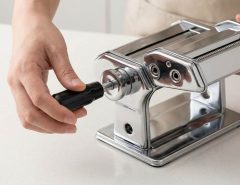
Not all problems are on your countertop—some hide inside your machine. Over time, your pasta maker’s rollers may shift out of alignment, especially with frequent use.
This means one side of your dough might get more pressure than the other. You can usually spot this if one edge of your pasta sheet is consistently thicker, no matter how carefully you feed it.
Fix it:
- Inspect your rollers. Check if they’re applying even pressure.
- For manual machines, consult your user manual. Some allow for minor adjustments.
- If it’s beyond repair, consider replacing the machine—it may be doing more harm than good.
Rushing Through Thickness Settings
We get it—rolling pasta can be time-consuming. But jumping from a thick setting to a very thin one shocks your dough. The result? One side stretches more than the other or tears completely.
Fix it:
- Move through the settings one step at a time.
- Pass the dough through each level twice for good measure.
Discover How Much Flour for Philips Pasta Maker.
Feeding Technique: Yes, It Matters
Think feeding pasta dough into a roller is mindless? Think again. If you’re inserting it at an angle, using jerky movements, or letting it sag, you’re setting yourself up for uneven results.
Fix it:
- Always feed the dough straight into the machine.
- Guide the emerging sheet with your hands—don’t let gravity stretch it.
- Work with manageable lengths; if it’s too long, cut it in half.
Under-Kneaded or Over-Kneaded Dough
Striking the right balance in kneading is like threading a needle. Too little, and your dough lacks elasticity. Too much, and it becomes tough, snapping back when rolled.
Fix it:
- Aim for 10-15 minutes of firm kneading.
- Perform the windowpane test: stretch a small piece of dough. If light passes through without tearing, it’s perfect.
Environmental Factors: Humidity and Temperature Woes
Did you know your kitchen’s climate affects pasta dough? High humidity makes dough sticky; dry air makes it brittle. These extremes create havoc during rolling.
Fix it:
- In humid weather, add a touch more flour to your dough and dust sheets lightly.
- In dry conditions, mist your dough lightly with water or work faster to prevent drying.
Too Much—or Too Little—Flour During Rolling
Flour is your ally… until it isn’t. Use too much and your dough slips through the rollers. Too little and it sticks, stretches, and tears.
Fix it:
- Lightly dust your dough and roller, especially in humid environments.
- Use a pastry brush to remove excess flour.
Dough Thickness Folding Technique
Here’s a trick not everyone knows: folding your dough during the early passes through the thickest setting builds structure and smoothness.
Fix it:
- Fold the dough like a letter and pass it through the thickest setting 2-3 times.
- This strengthens the sheet and irons out early inconsistencies.
Let It Rest, Always
Skipping the resting period is like skipping leg day—bad idea. Gluten needs time to relax, or your dough will recoil when you roll it.
Fix it:
- Wrap dough in plastic and rest for 30–60 minutes before rolling.
- For ultra-smooth results, let it rest again halfway through rolling.
Clean Machine, Clean Result
Residue from previous batches builds up, affecting roller grip and alignment.
Fix it:
- Clean rollers with a dry brush or cloth.
- Never wash the machine in water—most are not designed for it.
FAQs
Why does my pasta dough keep tearing in the machine?
Tearing usually results from overly dry or under-kneaded dough. Ensure you hydrate and knead properly, and don’t skip the resting time.
Is it normal for one side of the pasta to be thicker?
Not at all. That typically indicates roller misalignment or uneven feeding technique.
How can I tell if my dough is the right consistency?
It should feel smooth, slightly tacky but not sticky, and bounce back slightly when pressed.
Can I fix uneven thickness after rolling?
Yes. You can reroll sections of dough through thicker settings, then gradually thin them again. Trimming edges also helps.
Why does my dough stick to the rollers?
This often happens when the dough is too wet or not enough flour is used during rolling. Adjust accordingly.
Do all pasta machines have adjustable rollers?
Most manual and electric pasta machines have adjustable thickness settings, but not all allow for alignment calibration. Check your user manual.
Conclusion
Uneven pasta thickness is more than a cosmetic issue—it affects taste, texture, and cooking consistency. But once you identify what’s causing the problem, it becomes easy to fix. From hydration and kneading to roller alignment and rolling techniques, each step matters.
The joy of pasta making lies in the process as much as the product. When you troubleshoot thoughtfully and practice patiently, you’re not just making pasta—you’re mastering a culinary art. So grab your flour, eggs, and pasta maker, and get rolling toward pasta perfection.


Leave a Reply