

Are you ready to embark on a culinary adventure into the world of homemade pasta? Picture this: you’re in your cozy kitchen, flour dusting your hands, and the scent of fresh pasta wafting through the air. It’s a labor of love, and it all starts with one fundamental question: what’s the best flour for homemade pasta?
In this deep dive, we’re going to explore the enchanting realm of pasta making, demystify the types of flour you can use, discuss how much flour you’ll need, and address the age-old debate of whether Italian flour is the ultimate choice. By the end of this journey, you’ll be a pasta aficionado, ready to knead, roll, and shape your way to pasta perfection.
The Flour that Kneads You: Understanding Flour for Homemade Pasta
When you’re gazing at the array of flours at the grocery store, you might be left wondering which one is the right choice for crafting your pasta from scratch. To unlock this delicious puzzle, let’s take a closer look at the types of flour that are commonly used for homemade pasta.
All-Purpose Flour: The Jack of All Trades
All-purpose flour is like the Swiss Army knife of flour. It’s versatile, readily available, and can be used for a wide range of culinary applications. However, is it the best choice for making homemade pasta?
While all-purpose flour can indeed be used for pasta, it’s not the top choice. It has a moderate protein content, typically around 10-12%. Pasta-making enthusiasts often prefer flour with a higher protein content for a more robust texture. But if all-purpose flour is all you have on hand, fear not – you can still create a respectable plate of pasta.
Semolina Flour: The Durum Wheat Dynamo
Semolina flour is the heavyweight champion of pasta flour. Made from durum wheat, it has a high protein content, usually around 12-15%. This high protein content gives your pasta dough the strength it needs to hold up during rolling and shaping. Think of it as the solid foundation for your pasta house.
The coarse texture of semolina also works beautifully to trap the sauce, creating a perfect pasta-sauce harmony. It’s like the nooks and crannies in an English muffin soaking up the butter – a match made in culinary heaven.
00 Flour: The Italian Elegance
Ah, the famed “00” flour – the choice of many Italian nonnas (grandmas) for centuries. This finely milled flour is exceptionally soft and silky, with a lower protein content of about 8-9%. It’s like the cashmere sweater of flours, offering a delicate and tender texture to your pasta.
The 00 flour is a staple in Italian pasta-making for a reason. It produces pasta that’s smooth, silky, and almost melts in your mouth. If you’re aiming to recreate the authentic Italian pasta experience, this is your flour of choice. It’s as if you’re painting a masterpiece, and this flour is your finest brush.
Whole Wheat Flour: For the Health-Conscious
If you’re leaning towards a healthier pasta option, whole wheat flour is your go-to. It’s made from whole wheat grains, meaning it retains all the nutrients and fiber found in the bran and germ. The result? A nuttier, heartier flavor and a darker color.
The trade-off with whole wheat flour is that it has a lower protein content compared to semolina or 00 flour. This means your pasta may be a bit denser and not as tender. But if you’re on a mission for a wholesome, nutritious pasta dish, it’s a small price to pay.
Durum Flour: The Cousin of Semolina
Durum flour is often confused with semolina because they share similar characteristics. Both are derived from durum wheat, but durum flour is more finely ground. It has a slightly lower protein content than semolina but is still a suitable choice for pasta-making.
Durum flour can be a great option if you want the benefits of durum wheat but prefer a finer texture in your pasta. It’s like choosing between a rustic wooden table and a polished marble one – both have their unique appeal.
Gluten-Free Flours: For Special Diets
If you’re following a gluten-free diet, there are options for you as well. Gluten-free flours like rice flour, corn flour, or a blend of gluten-free flours can be used to make pasta. These flours don’t contain the protein gluten, so your pasta will have a different texture and taste compared to traditional wheat-based pasta.
Experimentation is key when working with gluten-free flour, as the dough can be quite delicate. But with a bit of patience and practice, you can still enjoy a satisfying plate of gluten-free pasta.
How Much Flour Do You Need for Homemade Pasta?

Now that you’re well-versed in the types of flour, let’s tackle another crucial question: how much flour do you need for your homemade pasta adventure? The answer may surprise you, as it’s not a one-size-fits-all scenario.
The amount of flour required depends on various factors, including the type of flour you’re using, the number of servings you intend to make, and your desired pasta consistency. Here’s a rough guideline to get you started:
- For Semolina or 00 Flour: You’ll typically need about 100 grams of flour per egg to make two servings of pasta. This results in a silky, rich dough.
- For All-Purpose Flour: Due to its lower protein content, you might need slightly more all-purpose flour compared to semolina or 00 flour. Start with 125 grams of flour per egg for two servings.
- For Whole Wheat Flour: The exact amount can vary depending on the coarseness of the flour, but generally, you’ll need about 125 grams per egg for two servings.
- For Gluten-Free Flours: The proportions for gluten-free pasta can differ significantly. You might need to combine different types of gluten-free flours, so it’s best to follow a trusted recipe that provides specific measurements.
Keep in mind that these are just general guidelines, and the ideal dough consistency can vary based on personal preferences and the humidity of your environment. The key is to add flour gradually until your dough reaches the right texture – smooth, not too sticky, and elastic.
The beauty of making pasta is that it’s as much an art as it is a science. You’ll develop a feel for the dough with practice like a musician fine-tuning their instrument until the sound is just right.
Should You Use Italian Flour for Homemade Pasta?
The debate rages on: should you use Italian flour for your homemade pasta, or can you opt for a locally sourced alternative? It’s a question that has ignited many passionate discussions in the culinary world.
Italian 00 flour, as mentioned earlier, is renowned for its role in creating the beloved pasta dishes of Italy. The wheat used to produce this flour is carefully selected to provide the desired texture and consistency, resulting in a pasta that’s silky and delicate.
If you’re aiming to replicate the classic Italian pasta experience, using Italian 00 flour is a surefire way to achieve that goal. It’s like using French champagne to make a perfect mimosa – the origin matters when authenticity is key.
However, this doesn’t mean you can’t create outstanding pasta with non-Italian flour. Many experienced pasta makers, both in Italy and beyond, swear by using local, high-quality flours. These flours may have different protein contents and textures, but that doesn’t make them any less suited for pasta-making.
The key is to understand the characteristics of the flour you’re using and adapt your technique accordingly. Experimenting with different flours can also lead to delightful surprises, as you may discover a unique pasta creation that becomes your signature dish.
In essence, the choice between Italian flour and non-Italian flour for homemade pasta boils down to your personal preference and your goal. Are you chasing the essence of Italian cuisine, or are you seeking to craft a pasta that showcases the flavors of your local region? Both paths are equally valid and delicious.
The Art of Pasta Making: A Step-By-Step Guide
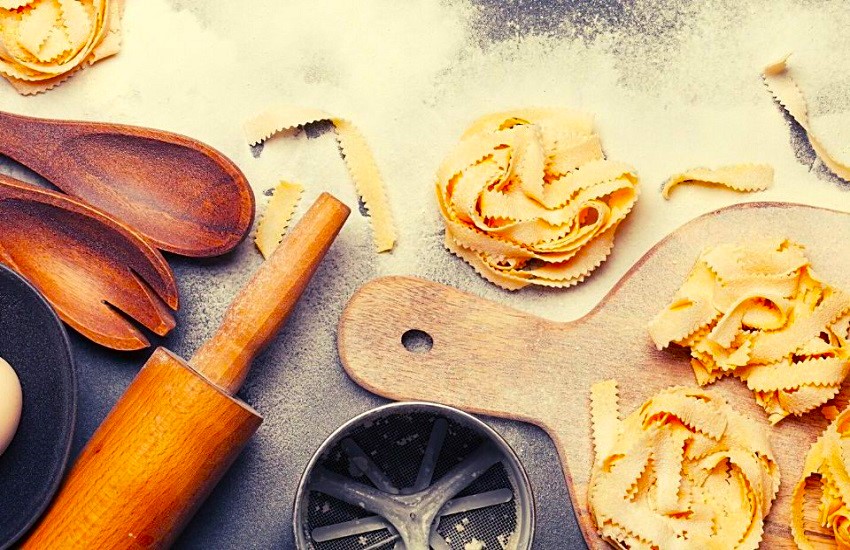
Now that you’re equipped with the knowledge of the best flour for homemade pasta and the amount of flour you need, it’s time to dive into the magical world of pasta making. Let’s walk through the process step by step.
Ingredients:
- Flour (your choice, based on the previous section)
- Eggs (or water, if you prefer eggless pasta)
- A pinch of salt (for flavor)
Equipment:
- Mixing bowl
- Fork or your fingers (for mixing)
- Work surface (clean countertop or a wooden board)
- Rolling pin
- Knife or pasta cutter
- Optional: Pasta machine
Instructions:
- Measure Your Ingredients: Start by measuring the flour and eggs (or water) according to the guidelines provided earlier. The general rule of thumb is 100 grams of flour per egg for semolina or 00 flour.
- Mix the Ingredients: In a mixing bowl, create a well in the center of the flour. Crack the eggs (or add water) into the well. If you’re using eggs, you can beat them lightly with a fork before gradually incorporating the flour from the edges of the well into the eggs. If you’re going eggless, simply add the water.
- Knead the Dough: Once the mixture forms a dough, turn it out onto a floured work surface. Knead the dough for about 5-10 minutes until it becomes smooth and elastic. This is where you put in some effort – think of it as a mini workout for your hands.
- Rest the Dough: Wrap the dough in plastic wrap and let it rest for about 30 minutes at room temperature. This resting period allows the gluten to relax, making it easier to roll out the dough later.
- Roll Out the Dough: After the rest, you can start rolling out the dough. You can use a rolling pin or a pasta machine for this step. Roll the dough out into a thin sheet, as thin as you desire. If you’re using a pasta machine, gradually decrease the thickness settings as you roll.
- Shape the Pasta: Once your dough is rolled out, it’s time to shape it into the pasta of your choice. You can cut it into wide ribbons for fettuccine, narrow strips for tagliatelle, or use a pasta machine attachment for specific shapes like ravioli or lasagna.
- Cook the Pasta: Boil a pot of salted water and cook your pasta for 2-3 minutes or until it’s al dente. Fresh homemade pasta cooks faster than dried store-bought pasta, so keep a close eye on it.
- Serve and Enjoy: Drain the pasta and toss it with your favorite sauce or toppings. Fresh homemade pasta pairs wonderfully with simple sauces that allow the pasta’s flavor to shine.
The beauty of making pasta at home is that you can experiment with different shapes and flavors. Add spinach for a vibrant green hue, or incorporate beetroot for a striking red. The possibilities are as endless as your creativity.
Frequently Asked Questions (FAQs)
1. Can I use gluten-free flour for homemade pasta?
Absolutely! You can use gluten-free flour like rice flour, corn flour, or a blend of gluten-free flour to make pasta. Just be aware that the texture and taste may differ from traditional wheat-based pasta, so experimentation is key.
2. How do I store homemade pasta if I make extra?
If you’ve made more pasta than you can consume in one go, you can store it in the refrigerator for a day or two. Dust the pasta with a bit of flour to prevent sticking, and place it in an airtight container or a sealed plastic bag.
3. What’s the difference between fresh homemade pasta and dried store-bought pasta?
Fresh homemade pasta has a distinct flavor and texture that sets it apart from dried pasta. It’s typically softer, cooks faster, and has a richer, more satisfying taste. Dried pasta, on the other hand, is convenient and has a longer shelf life.
4. Can I freeze homemade pasta?
Yes, you can freeze homemade pasta. After shaping the pasta, place it on a baking sheet and freeze until firm. Then transfer it to a sealed container or bag and store it in the freezer for up to two months. Cook the frozen pasta directly from the freezer without thawing.
5. What’s the best sauce for homemade pasta?
The best sauce for homemade pasta is a matter of personal preference. Classic options include tomato sauce, pesto, alfredo, carbonara, and simple olive oil and garlic. The key is to choose a sauce that complements the pasta shape and your taste buds.
So, there you have it, a comprehensive guide to the world of homemade pasta. Whether you’re a flour connoisseur seeking the perfect texture or a newbie looking to start your pasta-making journey, there’s flour and a recipe waiting for you. Embrace the joy of kneading, rolling, and shaping, and savor the delicious fruits of your labor. Homemade pasta is more than a meal; it’s an experience, a journey, and a celebration of the culinary arts. Buon appetito!
Tags: best gluten free flour for homemade pasta, best type of flour for homemade pasta, healthy flour for homemade pasta, should you use semolina flour for homemade pasta, what is the best flour for homemade pasta


Leave a Reply