
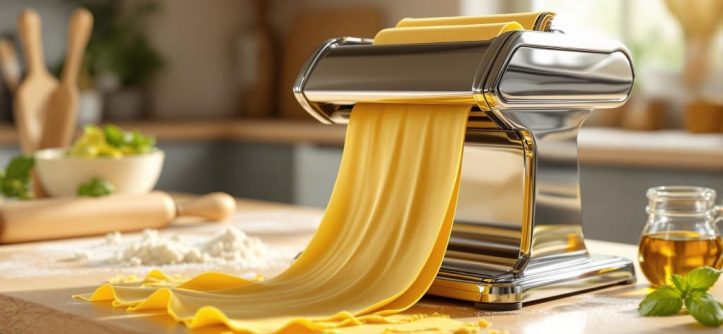
Making fresh pasta at home should be a joyful experience, but sticky noodles and uneven rolling can quickly turn your culinary adventure into frustration. These common pasta machine problems affect millions of home cooks worldwide. However, understanding the root causes and applying the right techniques can transform your pasta-making process. This comprehensive guide will walk you through proven solutions to achieve perfectly smooth, evenly rolled pasta every single time. Whether you’re a beginner or experienced cook, these troubleshooting methods will elevate your homemade pasta game significantly.
Understanding Why Pasta Dough Becomes Sticky During Machine Processing
Sticky pasta dough typically results from improper moisture balance and temperature conditions. Additionally, the flour-to-egg ratio plays a crucial role in determining dough consistency. When pasta dough contains excessive moisture, it clings to machine rollers and creates messy, unusable strips.
Temperature significantly impacts dough behavior during processing. Warm environments cause butter and eggs to soften, making dough sticky and difficult to handle. Furthermore, humidity levels above 60% can add unwanted moisture to your workspace. Therefore, maintaining optimal conditions ensures smooth pasta machine operation and consistent results.

Essential Preparation Techniques for Perfect Pasta Machine Results
Proper dough preparation prevents most sticky noodle problems before they start. However, many home cooks skip crucial preparation steps that professional chefs consider mandatory. The key lies in achieving the right texture and consistency through systematic mixing and resting processes.
Start by measuring ingredients precisely using a kitchen scale rather than volume measurements. Additionally, allow eggs to reach room temperature before mixing, as cold eggs create uneven dough texture. Rest your dough for at least 30 minutes after kneading, which allows gluten to relax and moisture to distribute evenly throughout.
Key Preparation Steps:
- Weigh flour and eggs accurately
- Knead dough until smooth and elastic
- Wrap dough tightly in plastic wrap
- Rest at room temperature for 30-60 minutes
- Test dough consistency before machine processing
Flour Selection and Measurement Methods for Optimal Machine Performance
The type of flour you choose directly affects how your pasta behaves in the machine. Therefore, selecting appropriate flour varieties prevents common rolling and sticking issues. “00” flour, traditionally used in Italian pasta making, creates silky smooth dough that processes beautifully through machine rollers.
All-purpose flour works adequately but may require additional adjustments to achieve optimal consistency. However, avoid using self-rising flour or cake flour, as these create unpredictable results. Additionally, measuring flour by weight rather than volume ensures consistent outcomes every batch you make.
Proper Dough Consistency and Texture Adjustment Techniques
Achieving the perfect dough consistency requires understanding visual and tactile cues that indicate readiness. Moreover, environmental factors influence how much flour or liquid your dough needs for optimal machine processing. Well-prepared dough should feel slightly firm but pliable, similar to soft leather texture.
If your dough feels too sticky, gradually add small amounts of flour while kneading. Conversely, overly dry dough cracks during rolling and produces uneven pasta sheets. Therefore, making incremental adjustments prevents overcorrection and maintains proper dough balance throughout the process.
Dough Consistency Indicators:
- Smooth surface without cracks
- Springs back when lightly pressed
- Doesn’t stick to clean hands
- Holds together without crumbling
- Feels firm but flexible
Machine Settings and Speed Controls for Even Rolling Results
Understanding your pasta machine’s settings prevents uneven rolling and ensures consistent thickness throughout your pasta sheets. Additionally, starting with the widest setting and gradually decreasing creates even pressure distribution. Most machines feature numbered settings, with setting 1 being the thickest and higher numbers producing thinner sheets.
Never skip settings during the rolling process, as this creates stress on both dough and machine mechanisms. Furthermore, maintain steady, consistent speed when feeding dough through rollers. Rushing the process often results in torn or unevenly rolled pasta that requires starting over completely.
Step-by-Step Solutions for Eliminating Sticky Pasta Problems
When pasta sticks to your machine, immediate action prevents further complications and potential damage. However, different sticking scenarios require specific approaches for effective resolution. Understanding these methods helps you respond quickly and efficiently to any sticking situation.
First, stop the machine immediately when you notice sticking beginning to occur. Additionally, dust both dough and machine rollers lightly with flour or semolina. These fine powders create a barrier that prevents direct contact between moist dough and metal surfaces.
Immediate Sticking Solutions:
- Stop machine operation immediately
- Dust rollers with flour or semolina
- Clean sticky residue gently with dry cloth
- Adjust dough consistency if necessary
- Resume rolling at slower speed
Troubleshooting Uneven Rolling Patterns and Thickness Variations
Uneven rolling creates pasta with inconsistent thickness, leading to uneven cooking and poor texture. Therefore, identifying the root cause helps you apply appropriate corrective measures quickly. Machine alignment, dough preparation, and feeding technique all contribute to rolling evenness.
Check that your pasta machine sits level and stable on your work surface. Additionally, ensure dough pieces are roughly rectangular before feeding through rollers. Irregular shapes create uneven pressure distribution, resulting in thicker and thinner areas throughout your pasta sheets.
Advanced Cleaning and Maintenance Strategies for Smooth Operation
Regular maintenance prevents most pasta machine problems and extends equipment lifespan significantly. However, many users neglect proper cleaning procedures, leading to buildup that affects performance. Establishing a routine maintenance schedule ensures consistent results and prevents costly repairs.
After each use, remove all dough residue using a dry brush or cloth. Additionally, avoid washing machine parts with water unless manufacturer instructions specifically allow it. Most pasta machines feature components that can rust or corrode when exposed to moisture.
Maintenance Checklist:
- Clean rollers after each use
- Check for loose screws monthly
- Oil moving parts as recommended
- Store in dry environment
- Inspect cutting blades regularly
Professional Tips from Italian Pasta Makers for Machine Success
Professional pasta makers have developed techniques over generations that ensure consistent, restaurant-quality results. Moreover, these time-tested methods prevent common problems that frustrate home cooks. Implementing professional practices elevates your pasta-making skills and produces superior outcomes.
According to traditional Italian methods, pasta dough should rest longer in humid conditions and shorter in dry environments. Additionally, professional chefs always test small dough portions before processing entire batches. This approach prevents wasting ingredients and identifies potential issues early in the process.

Environmental Factors Affecting Pasta Machine Performance and Dough Behavior
Weather conditions significantly impact pasta-making success, though many home cooks overlook these factors. Therefore, adjusting techniques based on environmental conditions ensures consistent results year-round. Humidity, temperature, and air circulation all influence dough behavior during machine processing.
High humidity adds moisture to flour and affects dough consistency throughout the preparation process. Additionally, air conditioning or heating systems create drafts that can dry dough surfaces quickly. Covering prepared dough with damp towels prevents surface drying while maintaining optimal moisture levels.
Common Mistakes That Lead to Pasta Machine Problems
Understanding frequent errors helps you avoid frustrating setbacks and achieve better results consistently. However, many mistakes seem logical but actually create more problems than they solve. Learning from others’ experiences saves time and prevents ingredient waste during your pasta-making journey.
Overflourng surfaces seems helpful but actually creates gritty texture and interferes with dough adhesion. Additionally, forcing thick dough through narrow settings damages both pasta and machine mechanisms. Therefore, patience and proper technique produce superior results compared to shortcuts and forceful methods.
Mistakes to Avoid:
- Skipping dough resting time
- Using too much flour on surfaces
- Forcing dough through wrong settings
- Ignoring machine maintenance
- Processing overly wet or dry dough
Seasonal Adjustments for Year-Round Pasta Making Success
Different seasons require specific adjustments to maintain consistent pasta-making results throughout the year. Moreover, understanding seasonal variations helps you anticipate problems and make proactive adjustments. Temperature and humidity changes affect ingredient behavior and require corresponding technique modifications.
Summer’s high humidity often requires additional flour to maintain proper dough consistency. Conversely, winter’s dry air may necessitate slightly more liquid or shorter resting times. Additionally, storing ingredients in climate-controlled environments maintains their quality and performance characteristics consistently.
Frequently Asked Questions
Why does my pasta dough stick to the machine rollers?
Pasta dough sticks to rollers when it contains too much moisture or the machine needs cleaning. Dust rollers lightly with flour and ensure your dough has proper consistency before processing.
How can I fix uneven pasta thickness from my machine?
Uneven thickness results from irregular dough feeding or machine misalignment. Feed dough straight through centered rollers and ensure your machine sits level on a stable surface.
What flour works best for preventing sticky pasta problems?
“00” flour or semolina creates the smoothest pasta with minimal sticking issues. These flours have optimal protein content and texture for machine processing.
How often should I clean my pasta machine?
Clean your pasta machine after every use by removing dough residue with a dry brush. Deep cleaning monthly prevents buildup that affects performance.
Can I use my pasta machine in humid weather?
Yes, but adjust your dough recipe by adding slightly more flour to compensate for humidity. Cover prepared dough to prevent surface moisture absorption.
Conclusion
Mastering pasta machine troubleshooting transforms frustrating kitchen experiences into enjoyable culinary adventures. Therefore, implementing these proven solutions for sticky noodles and uneven rolling ensures consistent, professional-quality results every time. Remember that proper preparation, environmental awareness, and regular maintenance prevent most common problems before they occur. Related topics: Pasta Maker Troubleshooting Guide: Common Problems and Fixes
Additionally, patience and practice help you develop the intuitive skills that separate good pasta makers from great ones. These techniques work for beginners and experienced cooks alike, providing reliable methods for overcoming pasta machine challenges. Start applying these solutions today and experience the satisfaction of perfectly rolled, restaurant-quality pasta from your home kitchen.
Have you tried these pasta machine troubleshooting techniques? Share your experiences and additional tips in the comments below. Additionally, share this article with fellow pasta enthusiasts who might benefit from these professional solutions.


Leave a Reply