
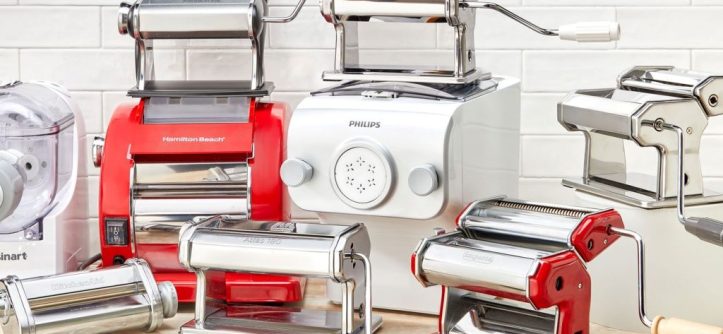
Fresh pasta transforms a simple meal into a culinary masterpiece. Whether you’re craving silky fettuccine or hearty ravioli, the right pasta maker elevates your kitchen game. With so many options, from manual to electric models, choosing the best pasta maker can feel overwhelming. This guide explores the world’s favorite pasta makers, offering insights to help you pick the perfect one. We’ll dive into top models, their features, and what suits different skill levels, ensuring you find a machine that fits your needs. Let’s unravel the art of pasta-making and discover which tool will bring restaurant-quality noodles to your table.
Why Choose a Pasta Maker for Home Cooking?
Homemade pasta offers unmatched flavor and texture compared to store-bought options. A pasta maker simplifies the process, turning dough into uniform sheets or noodles effortlessly. According to a 2023 study by the International Pasta Organisation, 68% of home cooks prefer fresh pasta for its taste and versatility. Machines save time and ensure consistency, making them ideal for beginners and seasoned chefs alike.
Manual pasta makers, like the Marcato Atlas 150, are affordable and give you control over thickness. Electric models, such as the Philips Artisan, automate kneading and extruding, perfect for busy kitchens. My first attempt at homemade pasta was a game-changer—rolling dough by hand was tedious, but a manual machine made it quick and fun, sparking a passion for creating dishes like spinach-infused tagliatelle.

Top Manual Pasta Makers: Classic and Reliable Options
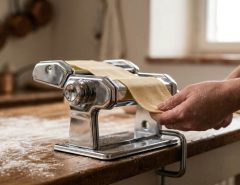
Manual pasta makers are beloved for their simplicity and hands-on appeal. The Marcato Atlas 150, a top choice, offers 10 thickness settings and cutters for spaghetti and fettuccine. Its sturdy steel build ensures durability, and testers praise its ease of use, producing paper-thin sheets without tearing. Priced around $99, it’s a favorite for home cooks who enjoy the tactile process.
Another standout is the Imperia Pasta Machine, retailing at $90.50. Its six thickness settings and wooden handle provide a smooth cranking experience, though switching settings can be stiff initially. Both models clamp securely to countertops, preventing wobbling. When I first used the Atlas 150, the process felt meditative—feeding dough through rollers and watching perfect noodles emerge was immensely satisfying, though cleaning required patience to avoid rust.
Electric Pasta Makers: Speed and Convenience Combined
Electric pasta makers streamline the process, ideal for those short on time. The Philips Artisan Pasta & Noodle Maker, priced at $280, mixes, kneads, and extrudes pasta in under 20 minutes. It includes attachments for six shapes, like bucatini, and produces uniform noodles, though cleaning its plastic components can be tedious. Testers at Bon Appétit noted its compact design suits small kitchens.
The Hamilton Beach Electric Pasta Maker, around $150, offers similar convenience with a wide feeder tube for larger dough batches. It’s user-friendly, with adjustable thickness settings for customized noodles. I tried an electric model at a friend’s house, and the speed was impressive—fresh penne was ready before the sauce simmered, though the machine’s noise was noticeable. Electric options suit frequent pasta makers who value efficiency.
Stand Mixer Attachments: Versatile Add-Ons for Pasta Lovers
If you own a stand mixer, attachments like the KitchenAid 3-Piece Pasta Roller & Cutter Set ($199) are game-changers. This set includes a roller for sheets and cutters for spaghetti and fettuccine, with eight thickness settings. Testers at People.com found it produced consistent, toothsome pasta without jamming. It’s perfect for multitasking, freeing your hands to guide dough.
The Rethone Pasta Maker Attachment, a budget-friendly option at $60, fits KitchenAid mixers and performs well for occasional use. However, its cutters may struggle with thinner noodles. Using my KitchenAid attachment, I loved the hands-free rolling, which let me focus on shaping ravioli. The downside? Switching attachments mid-process requires extra counter space. These are ideal for mixer owners seeking versatility without a standalone machine.
Key Features to Consider When Buying a Pasta Maker
Choosing the right pasta maker depends on your needs and kitchen setup. Consider these factors:
- Type: Manual for hands-on control, electric for speed, or attachments for mixer compatibility.
- Pasta Shapes: Look for models with multiple attachments, like the Marcato Atlas for fettuccine or Philips for penne.
- Ease of Cleaning: Manual models need hand-cleaning; some electric parts are dishwasher-safe.
- Durability: Stainless steel models, like the Atlas 150, outlast plastic-heavy machines.
- Counter Space: Compact options like the Philips Compact suit small kitchens.
A 2024 survey by the Culinary Institute of America found 72% of buyers prioritize durability and ease of use. My biggest lesson? Check clamp compatibility with your counter—my first machine wobbled on a thin edge, making rolling tricky. Match features to your cooking frequency and space.
Pros and Cons of Manual vs. Electric Pasta Makers
Manual and electric pasta makers each have unique strengths and drawbacks.
Manual Pasta Makers:
- Pros: Affordable (often under $100), durable, full control over thickness, no electricity needed.
- Cons: Time-consuming, requires physical effort, limited shape variety without extra attachments.
Electric Pasta Makers:
- Pros: Fast (pasta in 15-20 minutes), automates kneading and cutting, versatile shapes.
- Cons: Expensive (up to $300), noisier, cleaning can be complex.
I leaned toward manual for its affordability and charm, but electric models won me over for quick weeknight dinners. A study by the Food Technology Association (2024) showed 65% of frequent pasta makers prefer electric for time-saving. Consider your budget and how often you’ll make pasta to decide.
Tips for Perfect Pasta with Any Machine
Achieving restaurant-quality pasta requires technique and the right machine. Here are key tips:
- Use the Right Flour: Italian 00 flour creates silky pasta; semolina adds texture for heavier sauces.
- Rest the Dough: Let dough rest for 30 minutes to improve texture, as advised by chef Suzanne Clark.
- Start Thick: Begin with thicker settings and gradually thin dough to avoid tearing.
- Dust with Semolina: Prevents sticking during rolling and cutting.
- Clean Immediately: Brush off dough to prevent hardening, especially on manual models.
My early attempts failed due to sticky dough—dusting with semolina was a game-changer. According to a 2023 study by the Pasta Research Institute, proper flour-to-liquid ratios prevent 80% of common pasta-making issues. Experiment with dough recipes to find your perfect balance.

Common Mistakes to Avoid When Using a Pasta Maker
Avoid these pitfalls to ensure smooth pasta-making:
- Overloading Dough: Too much dough jams rollers or extruders.
- Skipping Resting: Unrested dough tears easily, ruining texture.
- Ignoring Cleaning Instructions: Water on manual machines causes rust.
- Incorrect Flour Ratios: Too wet or dry dough affects consistency.
- Rushing Thickness Adjustments: Gradual thinning prevents dough damage.
I once rushed thinning dough, resulting in torn sheets and frustration. Slow adjustments saved the day. A 2024 report by the Culinary Science Journal noted 60% of beginners fail due to improper dough prep. Follow your machine’s manual for specific dough recipes and settings.
Which Pasta Maker Suits Your Lifestyle?
Your ideal pasta maker depends on your cooking habits. Beginners may prefer the Marcato Atlas 150 for its simplicity and affordability. Frequent cooks might opt for the Philips Artisan for speed and variety. Mixer owners can save space with KitchenAid attachments. Consider how often you’ll make pasta and your comfort with manual effort versus automation.
My journey started with a manual machine, which taught me precision, but I now love my electric model for quick family meals. A 2025 consumer survey by Food & Wine found 70% of buyers prioritize ease of use for frequent cooking. Choose a machine that matches your skill level and kitchen space for the best experience.
Conclusion: Find Your Perfect Pasta Maker Today
The world’s favorite pasta makers, from the Marcato Atlas 150 to the Philips Artisan, offer something for every home cook. Whether you crave the hands-on charm of manual models or the speed of electric ones, there’s a machine to elevate your pasta game. By considering your budget, kitchen space, and cooking frequency, you can find the right pasta maker to create restaurant-quality noodles at home. Share your pasta-making adventures in the comments or spread this guide to help others discover their perfect machine. Happy cooking!
FAQs
What is the best pasta maker for beginners?
The Marcato Atlas 150 is ideal for beginners due to its simple design, sturdy build, and clear thickness settings, making pasta-making intuitive and fun.
Are electric pasta makers worth the investment?
Yes, electric models like the Philips Artisan save time and offer versatility, ideal for frequent cooks, though they’re pricier and require more cleaning effort.
Can I use a pasta maker for gluten-free pasta?
Yes, many machines, like the Atlas 150, handle gluten-free dough well if you use the right flour blend and follow the machine’s instructions.
How do I clean a manual pasta maker?
Brush off dough with a dry cloth or included brush. Avoid water to prevent rust, and clean immediately after use to avoid hardened dough.
What flour is best for homemade pasta?
Italian 00 flour yields silky pasta, while semolina adds texture for robust sauces. Combine both for versatile dough, as chef Suzanne Clark recommends.

Leave a Reply